
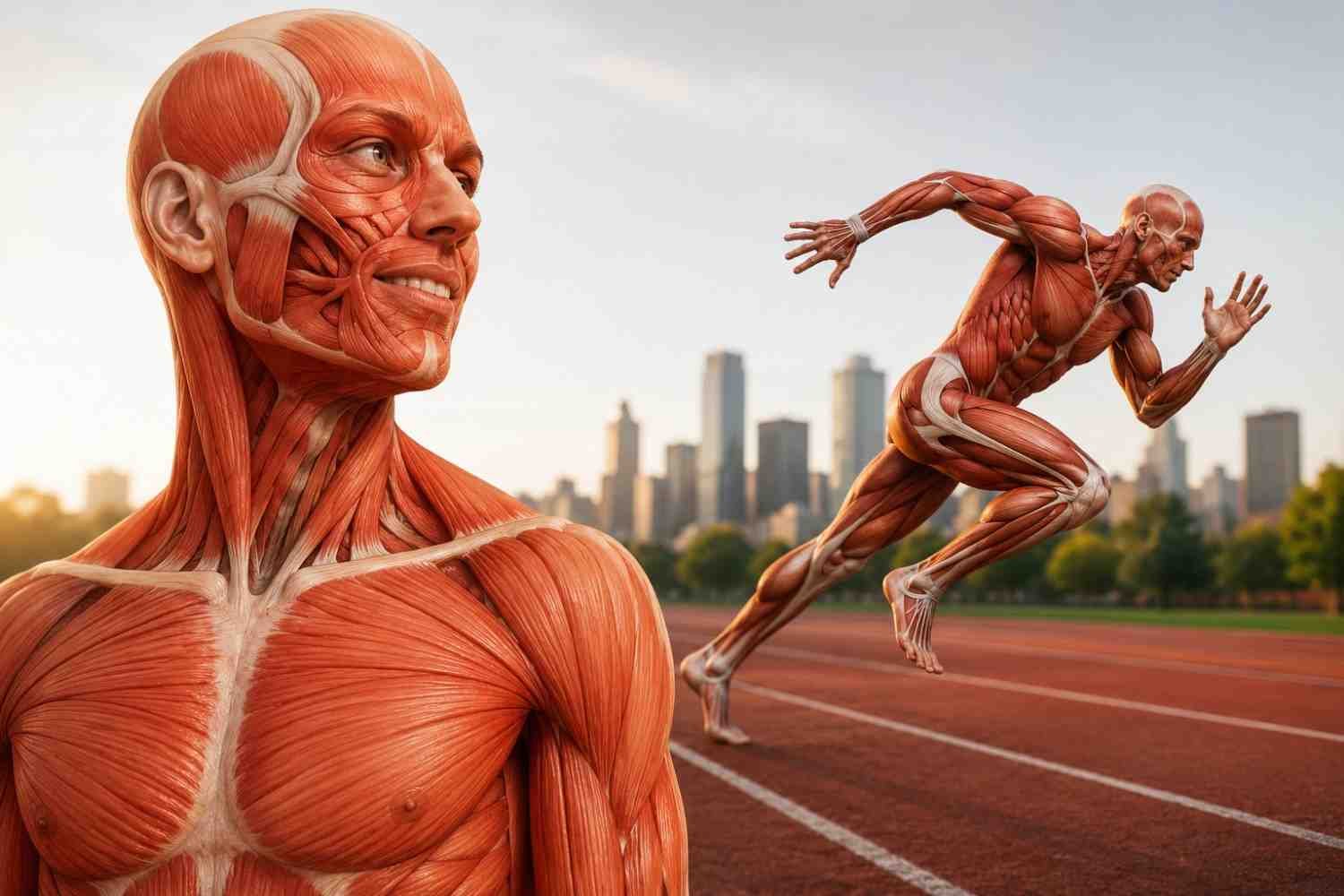
Most people only think about their muscles when they are exercising, lifting something heavy, or dealing with soreness after a workout. Yet muscles are constantly at work behind the scenes. They help you breathe during sleep, maintain your posture while sitting at a desk, blink thousands of times a day, and even shape the expressions you make during conversations.
What makes the human muscular system so fascinating is how much it accomplishes without demanding our attention. Every smile, step, heartbeat, and stretch depends on a network of tissues working together with remarkable precision. Once you start looking closer, the human body reveals some truly surprising capabilities that most of us never learn about in everyday life.
Why Muscles Do Much More Than Create Movement
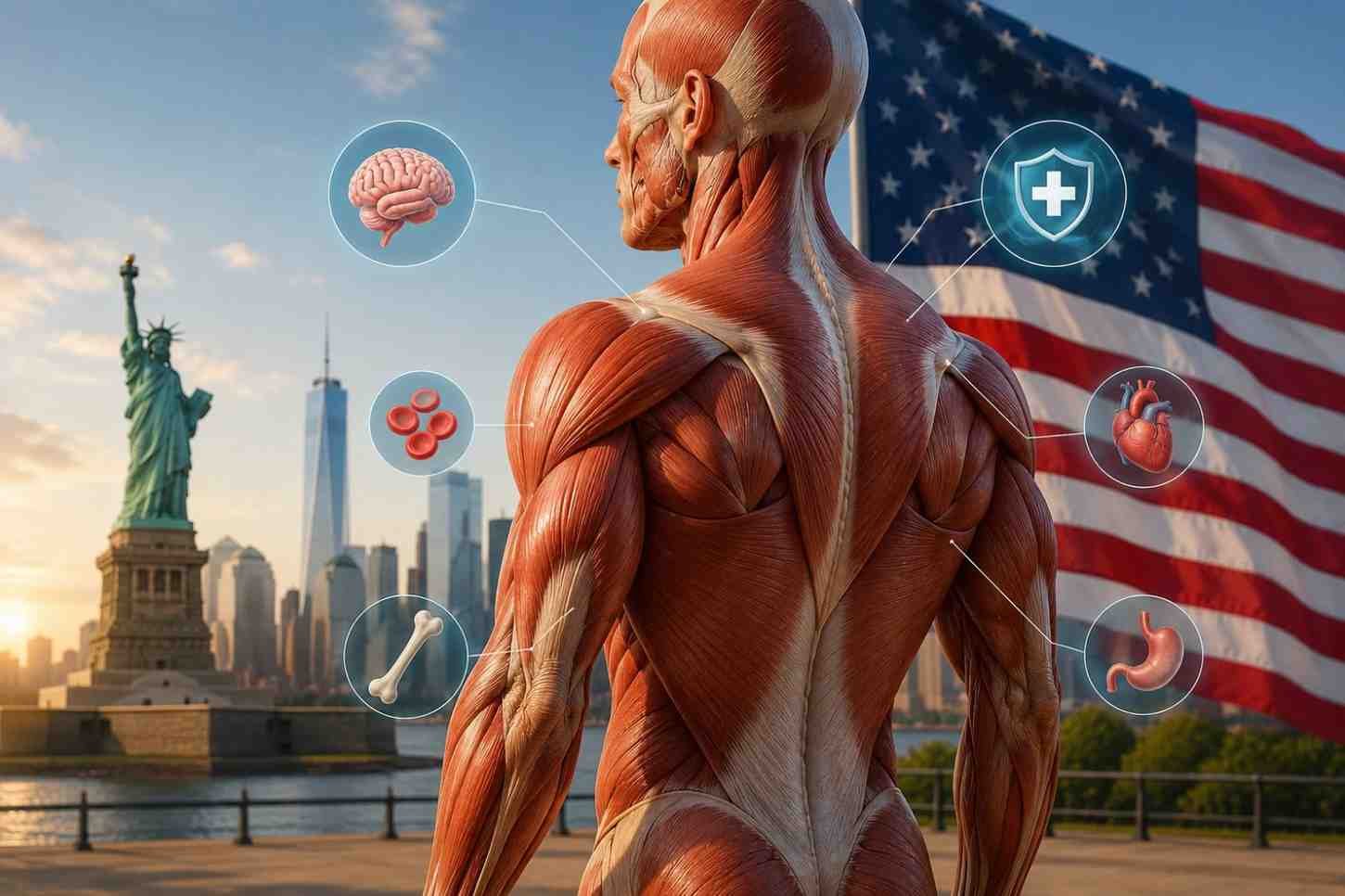
When people hear the word “muscle,” they often picture biceps, abs, or athletes training in a gym. In reality, muscles are responsible for far more than visible movement.
The muscular system helps regulate breathing, supports posture, aids digestion, pumps blood throughout the body, and allows us to communicate through facial expressions and body language. Without muscles, even simple actions like swallowing water or maintaining balance would be impossible.
There are three main types of muscle tissue. Skeletal muscles control voluntary movement, smooth muscles support internal organs, and cardiac muscle powers the heart. Together, they form one of the most active and essential systems in the human body.
10 Surprising Facts About Human Muscles
Your Heart Is The Ultimate Endurance Athlete
Many people focus on skeletal muscles when discussing strength and endurance, but the heart deserves special recognition. Made of specialized cardiac muscle, the heart works continuously throughout your life.
An average heart can beat roughly 3 billion times over a lifetime without taking a break. Unlike other muscles that fatigue and require recovery periods, cardiac muscle is uniquely designed for nonstop performance.
Smiling Requires Less Effort Than Frowning
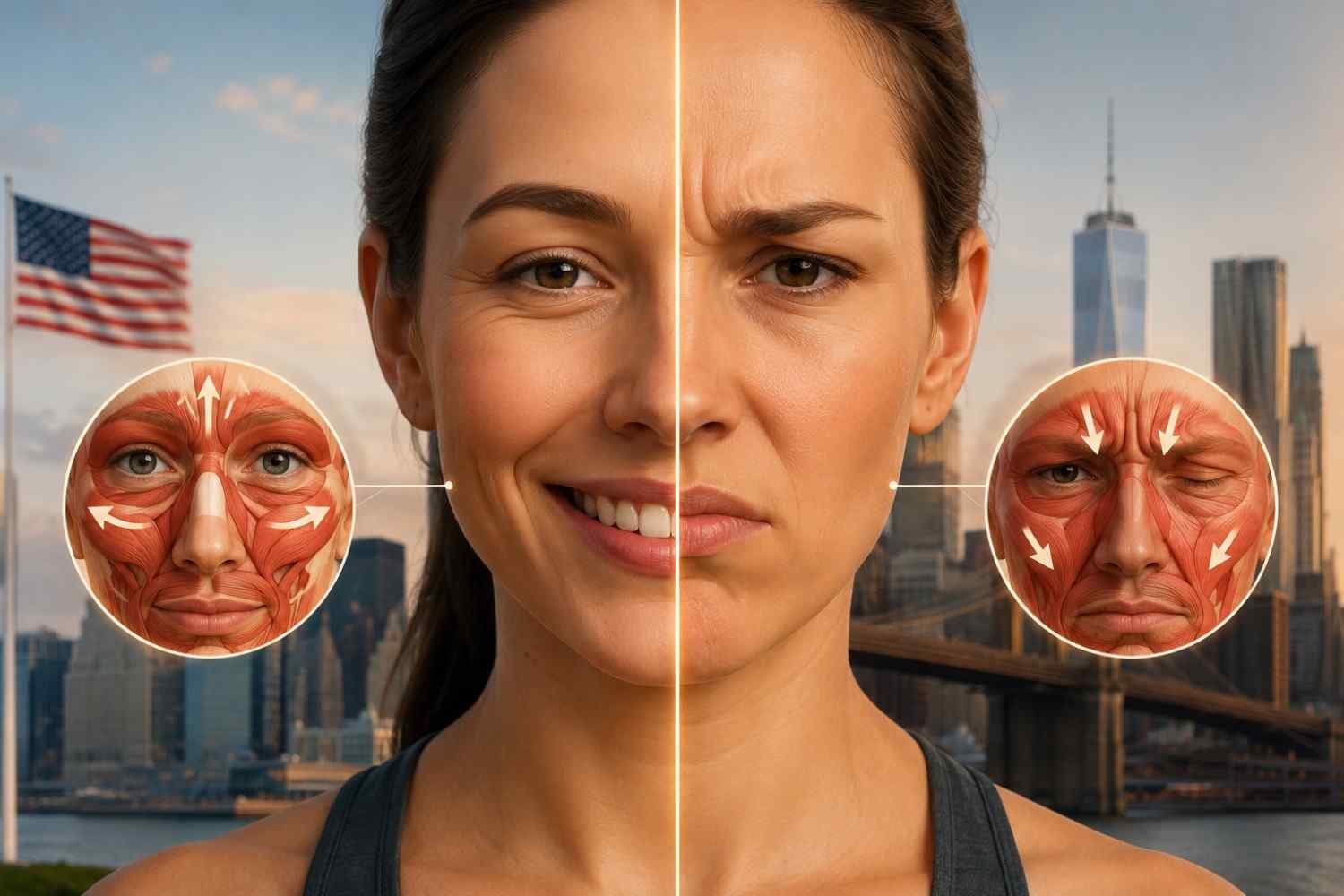
One of the most well-known human muscle facts involves facial expressions. Smiling uses roughly 17 muscles, while frowning can involve around 43 muscles.
While the exact numbers can vary depending on the expression, the broader point remains interesting. The muscles involved in communication and emotional expression are incredibly sophisticated and help convey feelings before a single word is spoken.
The Largest Muscle Powers Every Sprint
The gluteus maximus, located in the buttocks, is the largest muscle in the human body. Its primary role is extending the hip and generating powerful movement.
Whether you’re climbing stairs, standing from a chair, or sprinting across a field, this muscle contributes significantly to strength, stability, and athletic performance. Its size reflects the enormous workload it handles every day.
Your Jaw Muscle Is Incredibly Powerful
When discussing muscle strength, many people assume the strongest muscle is found in the arms or legs. By force relative to its size, the masseter, one of the primary jaw muscles, is often considered among the strongest.
It can generate enough force to close the teeth with remarkable power, allowing humans to chew efficiently despite the relatively small size of the muscle itself.
Eye Muscles Rarely Get A Break
Your eye muscles are among the hardest-working muscles in your body. They constantly adjust focus, track movement, and coordinate visual information.
Researchers estimate these muscles may move more than 100,000 times each day. That’s an astonishing amount of activity from muscles that most people never consciously notice.
Muscles Continue Working While You Sleep
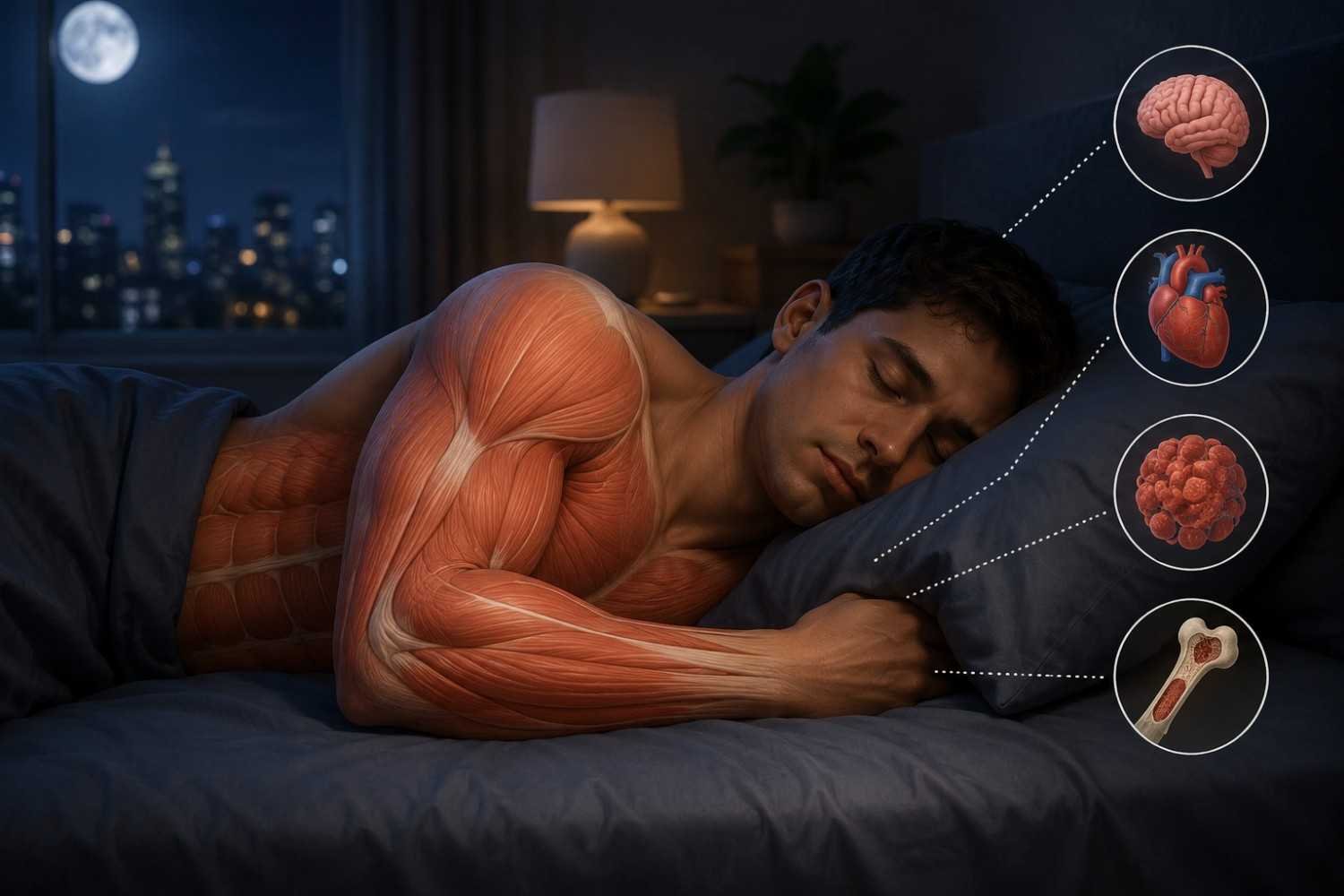
Sleep may feel like complete rest, but many muscles remain active throughout the night. Breathing muscles continue expanding and contracting, eye muscles become active during dream phases, and postural muscles make subtle adjustments.
This ongoing activity explains why the body still uses energy during sleep and why muscle function remains essential around the clock.
Shivering Is A Built-In Heating System
When temperatures drop, your body activates a clever survival mechanism. Muscles rapidly contract and relax, creating what we recognize as shivering.
These repeated muscle contractions generate heat and help maintain a stable core temperature. It’s one of the body’s fastest responses to cold environments.
Muscles Can Only Pull
One of the most surprising aspects of muscle function is that muscles cannot push. They only pull.
To create movement in different directions, muscles work in opposing pairs. The biceps and triceps provide a classic example. When one contracts, the other relaxes, allowing smooth and controlled movement of the arm.
Muscle Memory Is More Than A Myth
Anyone who has returned to exercise after a long break may have noticed that strength often comes back faster the second time around.
Scientists have found that previous training creates lasting changes within muscle cells. Even after muscle size decreases, those adaptations can remain, making it easier to rebuild strength and muscle mass later.
Elite Sprinters Have Specialized Muscle Fibers
Not all muscle fibers are the same. Fast-twitch fibers generate explosive power and speed, while slow-twitch fibers are built for endurance.
Elite sprinters often possess a higher percentage of fast-twitch fibers, sometimes reaching up to 80%. These fibers contract quickly and produce powerful bursts of movement, although they fatigue more rapidly than endurance-oriented fibers.
Common Myths People Believe About Muscles
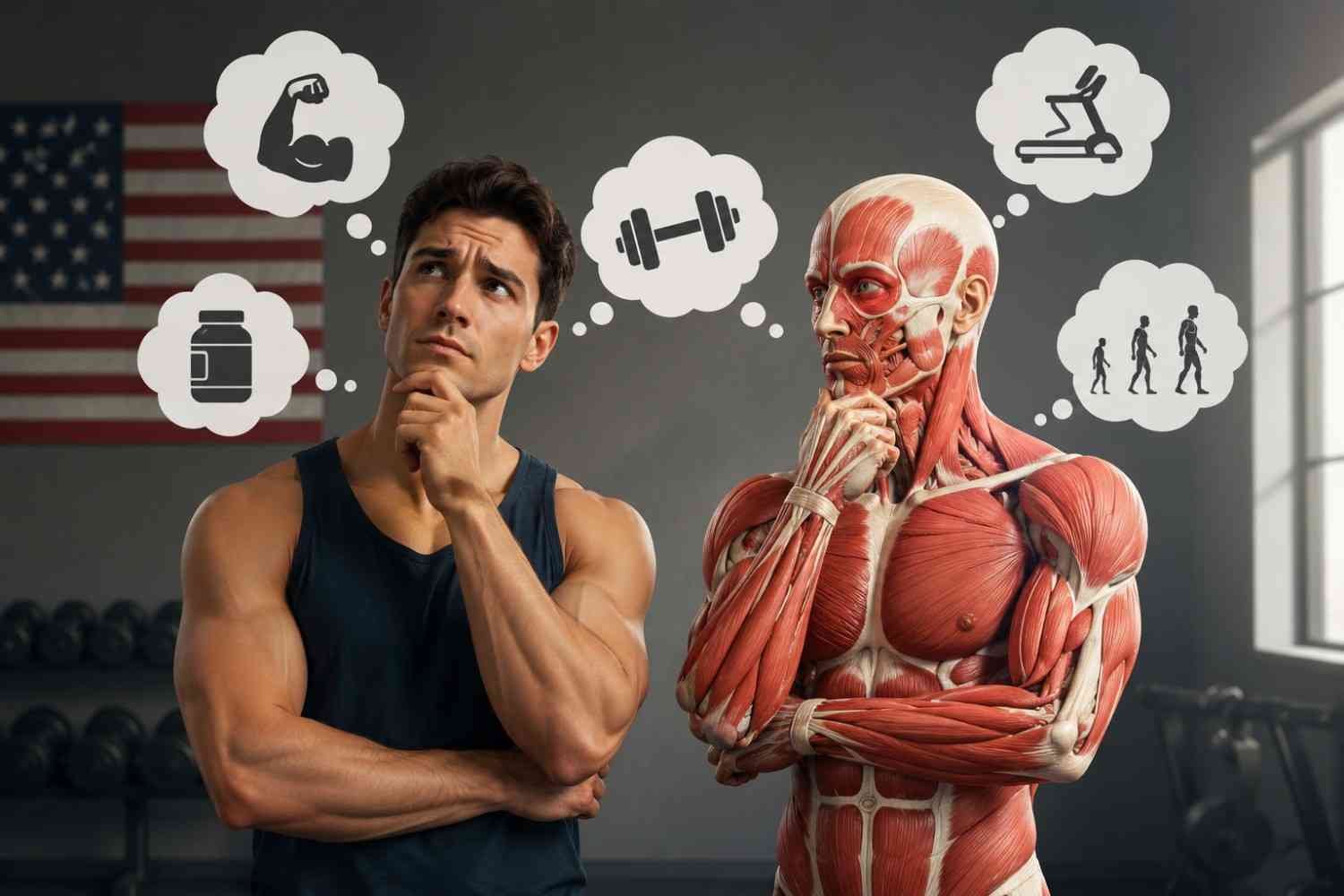
Muscle myths continue to circulate despite decades of research into human anatomy and body mechanics.
One common misconception is that muscle turns into fat when someone stops exercising. Muscle tissue and fat tissue are entirely different. One cannot transform into the other. What actually happens is that muscle size may decrease while body fat increases due to changes in activity levels and nutrition.
Another myth is that only young adults can build muscle. While age can influence muscle recovery and growth rates, strength training remains effective throughout life. Consistent physical activity can improve muscle strength, balance, and mobility well into older adulthood.
Many people also believe soreness always indicates a successful workout. In reality, muscle growth and improvement can occur without significant soreness. Recovery, progressive overload, and consistency matter much more than temporary discomfort.
What These Facts Tell Us About Everyday Health
Learning about muscles often changes how we view daily movement. Walking the dog, carrying groceries, climbing stairs, and maintaining good posture all depend on muscle strength and coordination.
These facts also highlight the importance of regular physical activity. Muscles respond to movement, adapt to challenges, and support countless body functions that extend far beyond athletic performance.
If you’re interested in discovering even facts about how the brain works, paying attention to everyday movements can be surprisingly revealing. The body performs thousands of coordinated actions each day, many of which rely on muscles working quietly in the background.
Frequently Asked Questions: From Smiling To Sprinting: Surprising Facts About Human Muscles
1. How many muscles are in the human body?
The human body contains more than 600 muscles. These muscles work together to support movement, posture, circulation, breathing, and many other essential functions.
2. What is the strongest muscle in the body?
The answer depends on how strength is measured. The masseter is among the strongest muscles relative to its size, while larger muscles such as the gluteus maximus generate tremendous power during movement.
3. Do muscles grow after age 40?
Yes. People can build muscle strength and increase muscle mass after age 40 through regular resistance training, proper nutrition, and adequate recovery.
4. Why do muscles shake during exercise?
Muscle shaking often occurs when muscles become fatigued or are working near their capacity. The nervous system recruits additional muscle fibers to maintain movement, which can create visible shaking.
The Body Is Working Harder Than Most Of Us Realize
The most fascinating thing about muscles is not necessarily how strong they are but how consistently they serve us. From the moment we wake up until we fall asleep, muscles help us communicate, move, breathe, maintain balance, and perform thousands of actions we rarely think about. Whether it’s the tiny muscles controlling eye movement or the powerful muscles driving a sprint, every part of the muscular system contributes to daily life in ways that are both practical and remarkable.
The next time you smile, take a walk, or climb a flight of stairs, remember that hundreds of muscles are working together to make those simple moments possible.




Leave a Reply