

A pool that appears perfect could still be hindering your efforts. The water remains clear for weeks even when there is fluctuation in pH, clogging of filters, or an inefficiency problem in the pump, yet by the time issues are evident, damage has already been caused.
Being able to recognize such problems can change all this. The following are seven indicators that your pool requires more than just maintenance but a professional intervention. As you weigh between maintaining your pool yourself and getting residential pool cleaning by abilene pro pool, here are times when having professionals helps rather than costs you.
1. Your Water Won’t Stay Clear No Matter What You Add
Cloudy water that returns within a day or two of shocking usually points beyond a simple chemical imbalance. Filtration issues, high phosphate levels, or a sanitizer system falling behind bather load can all cause this.
- Water clears briefly after shock, then clouds again within 24–48 hours
- Chlorine reads normal, but visibility stays poor
- Filter pressure climbs faster than usual between cleanings
A tech can perform additional tests not included in most at-home testing kits, such as phosphate and calcium hardness testing.
2. Algae Keeps Growing Back Despite Treatment
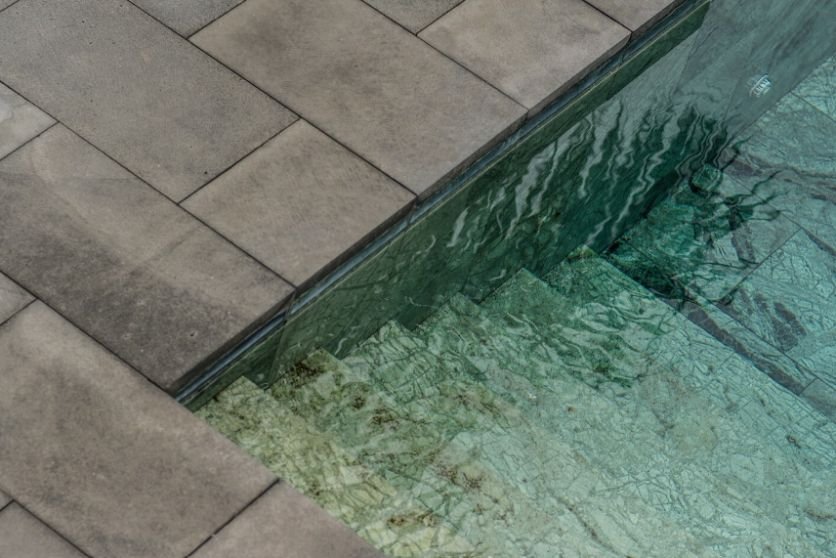
One occurrence is an annoyance, but if you keep getting algae growing back in the same locations, particularly stairs and corners, it usually means your sanitizer is not getting there due to circulation problems or an overdue filter cleaning.
3. Your Pump Sounds Odd or Takes Longer to Work
Your pump might be more worn than its performance would indicate based on odd noises or excessive time spent running. Left alone, minor strain usually ends in replacement rather than repair.
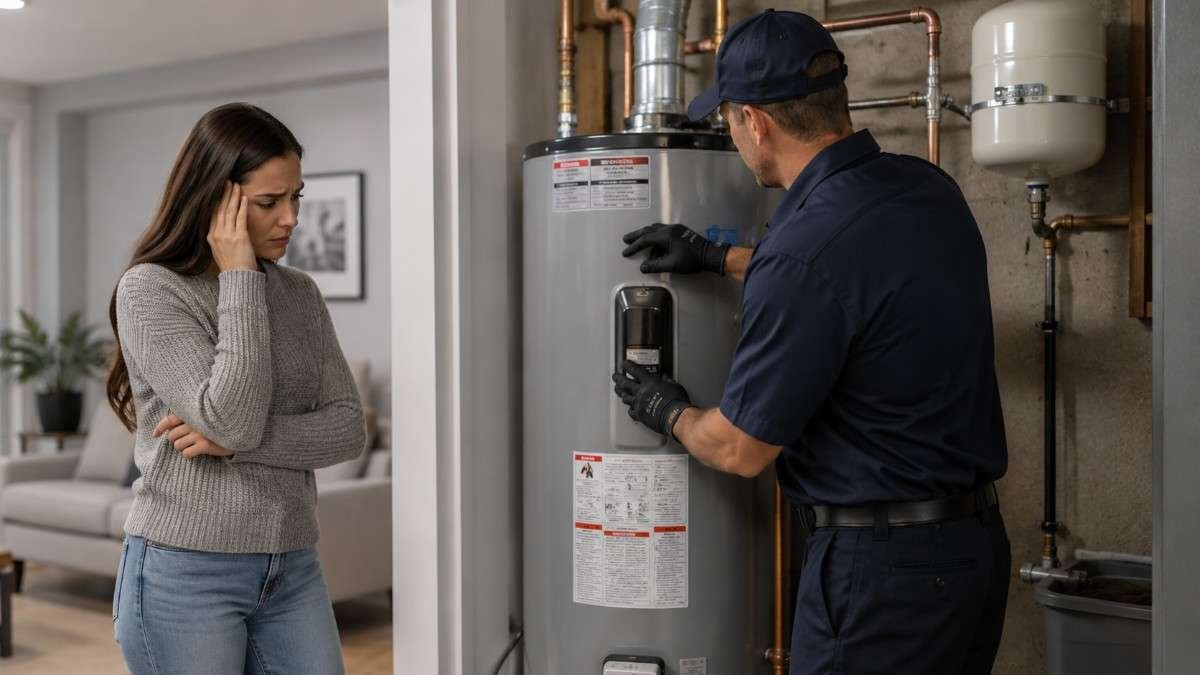
As with the warning signs your water heater needs professional attention, unusual sounds, reduced performance, and intermittent shutdowns often indicate that pool equipment requires expert inspection before the damage becomes more expensive.
| Sign | Likely Cause | DIY-Fixable? |
| Grinding or rattling noise | Worn bearings | No |
| Reduced flow at returns | Clogged impeller or basket | Sometimes |
| Low pressure, pump runs fine | Air leak in suction line | Rarely |
| Intermittent motor shutting off | Overheating or wiring problem | No |
4. You Are Using Chemicals Too Frequently

If the level of chlorine or pH adjuster decreases sooner than usual, then there is something using up these chemicals other than intended usage. It could be due to bather load or sunlight, but there may be a leak.
- Chemical use has roughly doubled from last season
- Stabilizer (cyanuric acid) hasn’t been tested in months
- Chlorine demand stays high even during slow weeks
5. Hairline Cracks, Stains, or Rough Spots in the Finish
Finishing issues seldom remain strictly aesthetic. Hairline cracks around skimmers suggest foundation movement, while rust stains indicate metal interacting with sanitizers. Procrastinating will usually result in repairs requiring more substantial work.
6. Your Utility Bill or Pool Volume Doesn’t Seem Right
Evaporation is consistent and decreases in colder weather. If you’re losing more than roughly a quarter-inch per day, or seeing a sudden increase in your utility bill, then there is most likely a leak somewhere within the shell, the plumbing, or the equipment pad area.
7. You Haven’t Done a Proper Inspection in a Year or More
Even a pool that tests fine benefits from an annual equipment check.
Seasonal pool care can also influence how much moisture, dirt, and foot traffic reach nearby rooms, so homeowners may consider washable rug ideas for living room when preparing indoor areas for frequent summer use.
Heaters and automation systems degrade in ways water chemistry won’t show until they fail outright.
Homeowners who have chosen this option say that rather than being problem-solving, residential pool cleaning by abilene pro pool is more about finding problems that cannot be detected through testing of water.
FAQ
1. How often should a pool get an inspection by a professional?
At least once a year, ideally at the start of swim season, since equipment wear doesn’t always show up in water tests.
2. Can cloudy water be a filtration problem, not a chemical one?
Yes. An undersized or dirty filter can leave water hazy even when chlorine and pH test fine.
3. Is a noisy pump always headed for replacement?
Not always, but grinding or rattling usually means bearing wear a repair won’t fully reverse.
4. What water loss rate actually points to a leak?
More than roughly a quarter-inch a day, beyond normal evaporation, is worth investigating.
5. Does repeated algae mean the pool isn’t cleaned enough?
Not necessarily. It’s more often circulation dead zones or sanitizer not reaching certain spots.
A single odd pump noise or one chemical top-off isn’t a crisis. A pattern of these seven, though, is a pool asking for attention before a small fix turns into a bigger one.


Leave a Reply