
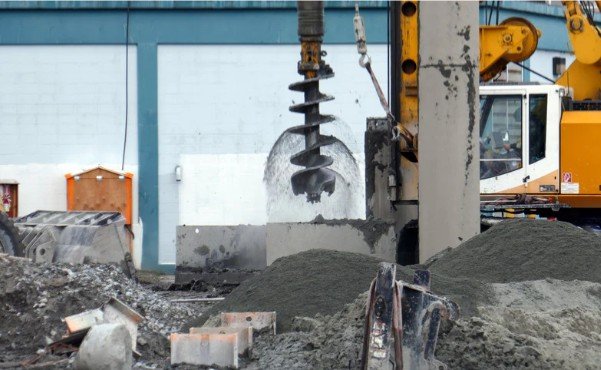
Constructing anything is an interesting process, but it all comes down to what is below the ground. People tend to think that all dirt is the same, which is not the case at all. There could be issues below the surface that could cause problems quickly. A skilled engineer checks the earth to make sure it can hold your building the right way.
If you don’t pay attention to the warning signs of soil that is not steady, you can lose a lot of money and see your building fail in the long run. If you spot these signs early, you can fix things before big tools and trucks show up. Here are seven signs that your next building job may need help from a geotech engineering services that really understands the ground.
1. When to Call for Geotechnical Services: Visible Soil Erosion or Slope Instability
When a house foundation is sitting on the top of a hill, and there’s a noticeable washout, the hill will need to be taken in hand quickly. Land that is not flat can be at high risk for landslides and shifting. An engineer will check how safe the slope is. Then, they design custom walls or drainage systems to keep the soil from moving out under your base.
2. The Presence of Soft or Spongy Ground
It is unacceptable for the soil on your property to behave like a mattress. That means that if you step onto it and feel that it moves, or you have the impression of stepping into wet and soft soil. This soil cannot support heavy things. Experts will check how much weight it can hold to see if you need to change all of the soil.
3. High Water Tables or Frequent Surface Flooding
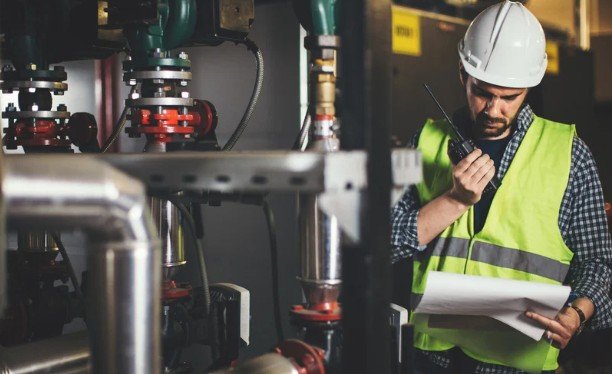
Standing water or a shallow water table can put your building’s future at risk. Too much water makes the soil weak. This can make basement walls bend or crack. An engineer will check how much water is under the ground. After that, they can tell you the best way to keep water out and help your foundation stay solid.
4. Cracks in Existing Nearby Structures
Take some time to look at the buildings around you. Check the old homes, too. Do you see lines in the bricks or foundation that look like stairs? If so, this is a sign that the area is moving under the surface. A skilled person can look into it for you. They will let you know if it is safe to build something new on the land.
5. Plans for a Multi-Story or Heavy Building
Small sheds usually do not need much soil testing. But when you build big or heavy buildings, things are different. There is a significant load exerted on the soil from multi-storied homes, shops, or brick houses. It is the engineer’s job to estimate the weight-bearing capacity of the soil. This helps keep the building from slowly sinking with time.
6. The Project is Located in a Known Seismic Zone
Earthquakes can be a big risk to buildings, mainly when the soil is loose and wet. When this happens, there is a thing called liquefaction. The solid earth acts like quicksand for a short time during shaking. A good engineering check will help you set up a strong base that can handle seismic waves in a safe way.
7. Neighboring Properties Have Expansive Clay Issues
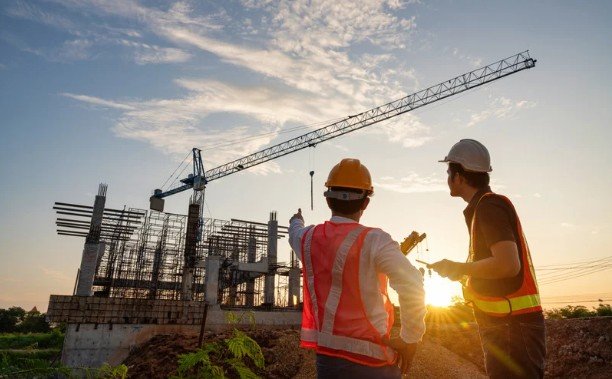
Expansive clay behaves like a sponge. It swells greatly when wet and then contracts once dry. This causes the soil to move a great deal and cracks concrete slabs easily. If you notice that houses or buildings in your area have experienced damage from expansive clay, chances are that you have the same issue. Engineers can help by using deep pier foundations. These go down past the soft clay to more stable ground below.
A home safety checklist for families can also help homeowners spot early warning signs, such as wall cracks, sticking doors, uneven floors, or moisture problems around the foundation.
Soil Types and Construction Risks
| Soil Type | Primary Risk Factor | Required Engineering Solution |
| Expansive Clay | Shrinking and swelling | Deep piers or soil chemical treatment |
| Loose Sand | Liquefaction during earthquakes | Soil compaction or deep pile foundations |
| Organic Silt | Extreme settling and compression | Excavation and replacement with structural fill |
Pre-Construction Ground Checklist
- Look at the site to see if there is standing water or wet spots.
- Check nearby buildings for cracks at the bottom.
- Go over local land maps for chances of landslides.
- Find out how tall and heavy the building will be.
Key Takeaways
- Safety First: If the ground is not stable, there can be big cracks in the foundation. This can also cause the building to fail.
- Water is the Enemy: When there is a lot of water in the area, you will need special ways to get the water out.
- Save Money Early: Soil tests will help you save money in the long run.
Conclusion
Finally, the success of the construction process hinges heavily on the soil conditions of the land. One needs to be careful of factors such as steep gradient, soil that is easily compressible, or cracks in buildings around the area.
If you use expert geotech engineering services before you pour any concrete, your work will be more likely to meet the rules and last for years. Don’t guess when it comes to your foundation’s safety; trust people who know what they are doing. This makes the way clear for a safe building.



Leave a Reply