
Most people go through their day without giving much thought to what is happening inside their heads. You wake up, make decisions, remember appointments, react to emotions, and learn new information without noticing the incredibly complex system making it all possible. Yet every thought, memory, and action depends on a three-pound organ working around the clock.
What makes the human brain even more fascinating is that it is not a fixed machine. Modern brain science continues to reveal how adaptable, efficient, and sometimes surprising it can be. Understanding these facts about how the brain works is more than a lesson in neuroscience. It can change the way you approach learning, productivity, mental health, and everyday habits.
Your Brain Is Mostly Made Of Fat
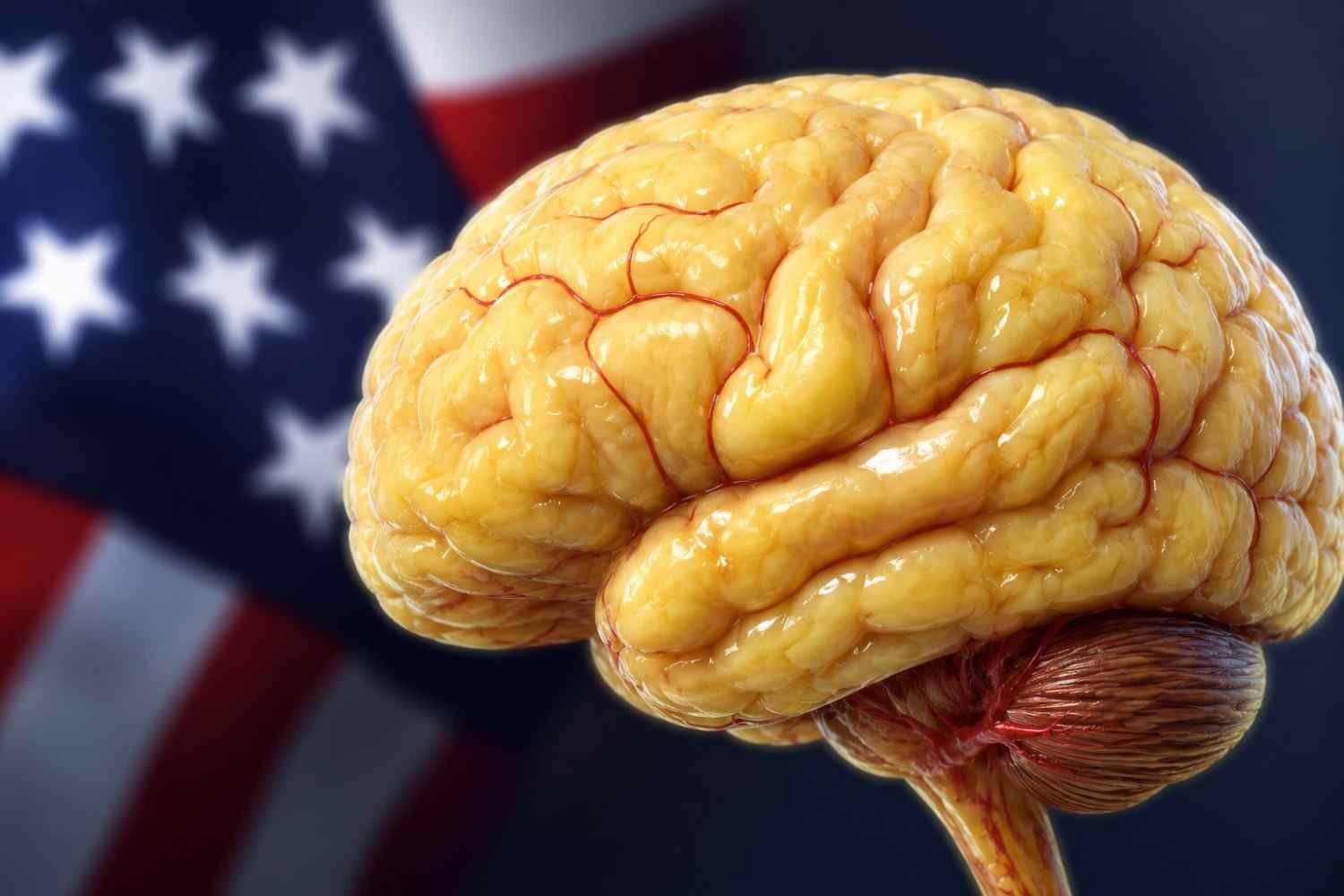
One of the most surprising human brain facts is that the brain is approximately 60% fat, making it the fattiest organ in the body. While fat often gets a bad reputation, certain healthy fats play an important role in maintaining brain function and supporting communication between brain cells.
This is one reason nutrition has such a strong connection to cognitive performance. Essential fatty acids, particularly Omega-3s, help support neural pathways that influence memory, attention, and learning. When people think about brain health, they often focus on puzzles or mental exercises, but what you eat can be just as important.
A Small Organ Uses A Huge Amount Of Energy
Although the brain represents only about 2% of total body weight, it consumes roughly 20% of the body’s energy. Remarkably, the electrical activity that powers your thoughts runs on about 20 watts of power, roughly the same as a dim light bulb.
This explains why mental exhaustion feels so real. Long periods of concentration, decision-making, and information processing require significant energy. If you’ve ever felt drained after a day of meetings or studying, your brain was likely doing far more work than you realized.
The Brain Cannot Feel Pain
Many people assume headaches originate directly from the brain. Surprisingly, the brain itself has no pain receptors.
When you experience a headache, the discomfort comes from nearby blood vessels, nerves, muscles, and surrounding tissues. This fact has helped researchers better understand migraines and other neurological conditions. It is also a reminder that the brain processes pain signals without actually feeling physical pain itself.
Your Brain Has A Unique Neural Fingerprint
Just as fingerprints are unique, the pattern of connections inside your brain is unique to you. Researchers studying brain connectivity have found that individuals develop distinctive neural networks based on genetics, experiences, habits, and environments.
This helps explain why people learn differently. Some individuals absorb information through reading, while others perform better through visual demonstrations or hands-on experiences. There is no universal formula for learning because every brain develops its own pathways for processing information.
Neuroplasticity Never Stops
For decades, many people believed the brain stopped developing after childhood. Modern neuroscience has completely changed that view.
Neuroplasticity refers to the brain’s ability to reorganize and create new neural pathways throughout life. Every time you learn a new skill, practice an instrument, study a language, or adopt a healthier routine, your brain physically changes.
This may be one of the most encouraging facts about how the brain works. Age does not automatically prevent learning. While learning styles may evolve over time, the capacity for growth remains throughout life.
The Prefrontal Cortex Takes Years To Mature
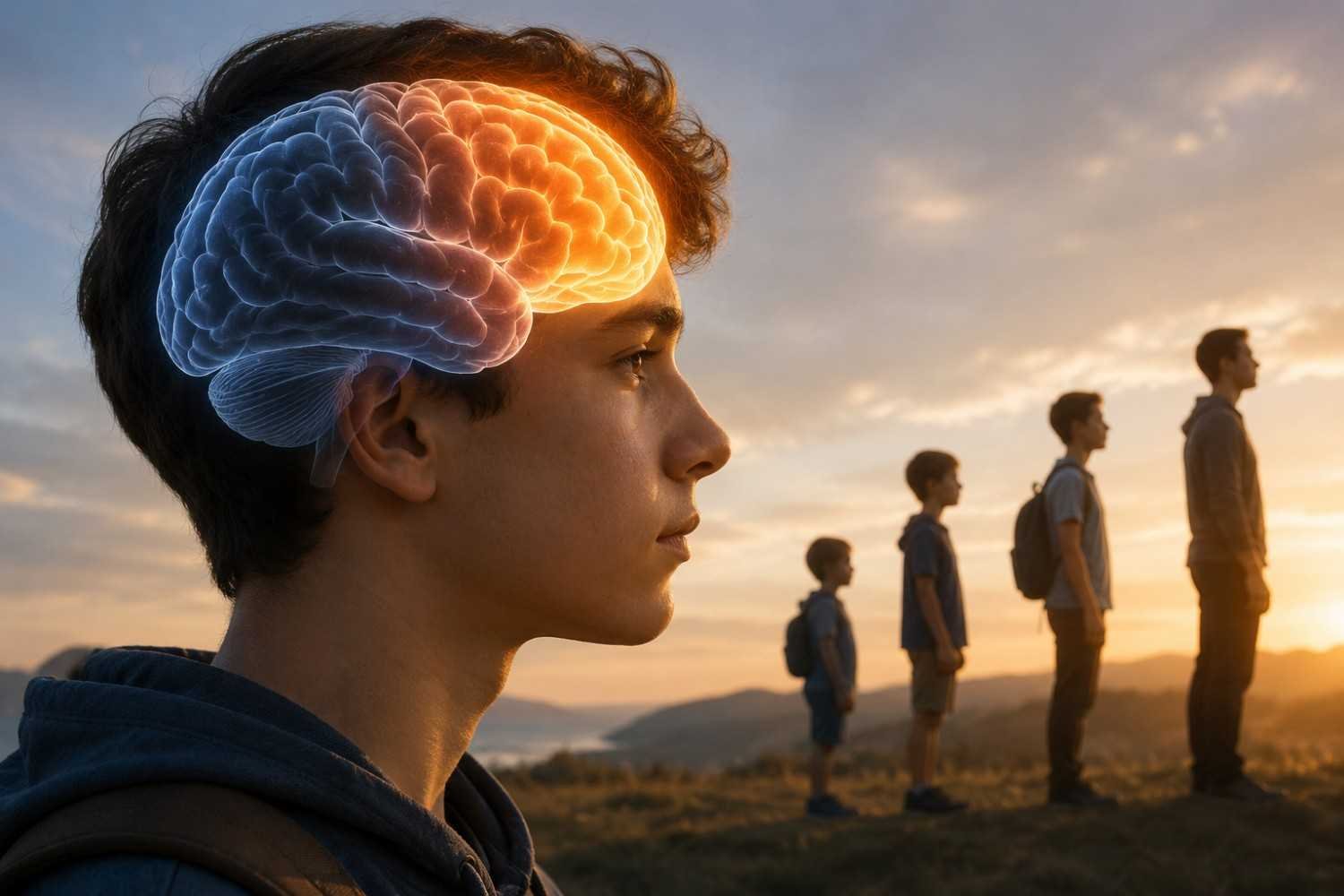
The brain does not fully develop during childhood. In fact, one of the last areas to mature is the prefrontal cortex, which plays a major role in decision making, impulse control, planning, and emotional regulation.
Researchers have found that this area continues developing until around age 25. This helps explain why teenagers and young adults sometimes make impulsive choices despite understanding potential consequences.
Understanding brain development can encourage more realistic expectations and greater patience when discussing behavior during early adulthood.
Multitasking Is Mostly A Myth
Many people pride themselves on multitasking. The reality is much less impressive.
The brain cannot effectively perform two demanding cognitive tasks at the same time. Instead, it rapidly switches attention between activities. This constant context-switching increases mental strain and reduces efficiency.
Some studies suggest that frequent task switching can significantly reduce focus and increase errors. Whether answering emails during meetings or checking social media while studying, the brain performs best when attention is directed toward one meaningful task at a time.
Signs Your Brain Is Context Switching
- Losing track of what you were doing
- Making simple mistakes
- Taking longer to finish tasks
- Feeling mentally exhausted despite limited progress
Sleep Is One Of The Brain’s Most Important Jobs

Sleep is often viewed as downtime, but the brain becomes extremely active during sleep cycles.
While you rest, the brain consolidates memories, strengthens learning pathways, regulates emotions, and clears metabolic waste. This maintenance process is one reason sleep deprivation can negatively affect attention span, memory, and problem-solving abilities.
The popular claim that humans use only 10% of their brains has been thoroughly debunked. Brain imaging studies show activity throughout the brain, even during sleep.
What Happens While You Sleep
- Memories move into long-term storage
- Neural pathways strengthen
- Emotional processing occurs
- Metabolic waste is cleared
- Learning is reinforced
Frequently Asked Questions: Surprising Facts About How The Brain Works And Why They Matter
1. How many neurons are in the human brain?
Scientists estimate the average human brain contains approximately 86 billion neurons that communicate through complex networks of synapses and neural pathways.
2. Can adults continue learning new skills?
Yes. Neuroplasticity allows the brain to adapt and form new connections throughout life. Adults can successfully learn languages, instruments, technical skills, and new habits.
3. Why is sleep important for brain function?
Sleep supports memory consolidation, emotional regulation, cognitive performance, and the removal of waste products that accumulate during waking hours.
4. Is multitasking effective?
Not usually. What people call multitasking is generally rapid task switching. This can reduce productivity, increase errors, and place additional strain on cognitive resources.
Why Understanding The Brain Changes Everyday Life
The most interesting thing about the brain is not its complexity but its adaptability. Every day, your habits shape neural pathways, your experiences influence memory, and your choices affect cognitive performance. The brain is not simply a control center operating in the background. It responds continuously to sleep quality, nutrition, learning, stress levels, and daily routines. Small actions repeated consistently can create meaningful changes over time because the brain is always adjusting to the environment around it.
The more you understand how your brain works, the easier it becomes to work with it instead of against it.





Leave a Reply