
Some trends feel too obvious to admit. We all want to look original, but many of us are quietly copying the same digital habits, comfort choices, and lifestyle shortcuts. That is why trends everyone is secretly following are more interesting than loud viral fads.
I call this micro-conformity. It is the quiet space between “I am my own person” and “I also bought the same viral storage bins, trained my feed, and upgraded instant noodles at midnight.” These habits spread because they work. They save time, reduce stress, and make modern life feel slightly easier.
Why Secret Trends Feel So Normal Now
The biggest hidden trend is not a product or app. It is the habit of privately choosing what everyone else chooses while publicly acting like it was personal taste.
People do this because belonging and individuality are always competing. We want to feel current, but not basic. We want useful shortcuts, but not the reputation of being easily influenced. So we copy quietly.
That is why trends everyone is secretly following often appear in private spaces. They show up in search histories, shopping carts, phone settings, bedtime routines, and outfit decisions nobody sees.
The Invisible Digital Trends People Quietly Copy

Digital behavior creates the clearest examples of micro-conformity. Nobody announces these habits, but millions of people repeat them daily.
Algorithm Training Is the New Personal Branding
People now train algorithms like they train pets. They pause on certain videos, skip others fast, like posts strategically, and search topics they want their feed to understand.
This is not passive scrolling anymore. It is quiet feed engineering. Users want social platforms to serve a specific mood, identity, or lifestyle. Fitness reels, clean homes, money tips, fashion edits, recipes, and “that girl” routines do not appear by accident. The algorithm learns from tiny signals.
The secret part is that people often deny how curated their taste has become. They say, “My feed just knows me,” when they have been teaching it for months.
Phantom Scrolling Has Become a Micro-Break
Phantom scrolling happens when I unlock my phone for no real reason, check for notifications, find nothing, and still open a feed. It fills a two-minute emotional gap.
This habit is one of the most common hidden modern habits. It appears during elevators, checkout lines, work pauses, awkward waiting moments, and late-night boredom. It does not always feel like entertainment. Sometimes it feels like digital anesthesia.
The trend works because it removes silence. The problem is that silence is where we usually process thoughts.
AI Assistants Are Becoming Private Advice Rooms
Another one of the major trends everyone is secretly following is using AI assistants for personal advice. People use chatbots to decode texts, organize thoughts, practice difficult conversations, and vent without feeling judged.
This does not replace therapy, and it should not be treated as medical care. Still, many people use AI because it is private, fast, and available at 1 a.m. The appeal is not only intelligence. It is emotional convenience.
For US readers especially, where therapy can be expensive or hard to access, AI often becomes a first stop for sorting feelings before talking to a real person.
Incognito Price-Stalking Is Quietly Normal
People rarely buy at full price without checking for codes, alerts, browser extensions, resale listings, or delayed discounts. Many keep tabs open for days, waiting for the price to drop.
This is not just bargain hunting. It is quiet control. Shoppers want to feel smarter than the retail system. They want the item, but they also want proof that they did not get played.
Lifestyle Trends Everyone Is Secretly Following at Home
Home trends are shifting away from performance and toward comfort. The public image may still look polished, but private choices tell another story.
Comfort Has Beaten the Perfect Aesthetic
People are moving away from stiff “aesthetic” furniture that looks good online but feels terrible after ten minutes. Plush seating, deep couches, soft lighting, washable fabrics, hidden storage, and practical layouts are winning.
The secret is that comfort used to feel less stylish. Now it feels like luxury. A home that supports real life beats a room that only photographs well.
De-Influencing Is Happening Behind the Scenes
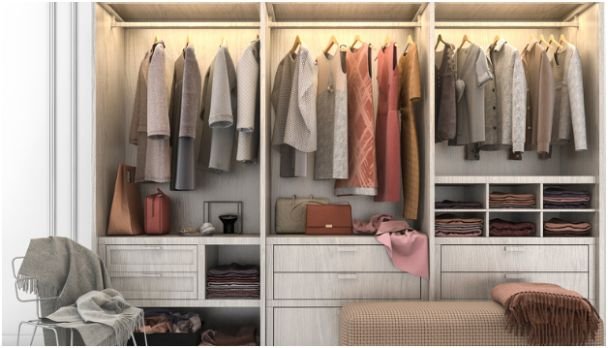
De-influencing looks like buying less, repeating outfits, using capsule wardrobes, and choosing fewer products. People may still post polished images, but privately they are cutting clutter.
The 3-3-3 wardrobe idea is a good example: fewer tops, bottoms, and shoes combined into repeatable outfits. It helps reduce decision fatigue without announcing a minimalist identity.
For more ideas on building a personal style that feels useful, not performative, explore creative lifestyle inspiration.
Gourmet Fast-Food Hacks Are the New Home Upgrade
Instant food is no longer treated as a guilty secret. People upgrade ramen, frozen pizza, boxed mac and cheese, and fast-food meals with exact toppings.
Buldak ramen with soft-boiled eggs, scallions, sesame oil, and the “right” cheese has become a ritual. It feels cheap, fast, comforting, and slightly elevated.
This trend works because it gives people a restaurant feeling without restaurant prices.
Sleep Hygiene Rituals Are More Common Than People Admit
People once said, “I just sleep.” Now many rely on a full setup: magnesium glycinate, white noise apps, weighted blankets, blackout curtains, cooling pillows, sleep masks, and strict wind-down routines.
Some of this is science-backed. Some is personal comfort. Either way, sleep has become a lifestyle project.
The funny part is that people may hide how much effort it takes to get “normal” rest. Good sleep now feels like a private performance.
Fashion and Appearance Hacks People Pretend Are Effortless

Fashion is full of secret support systems. The goal is to look natural, not reveal the engineering.
Messy-on-Purpose Grooming Looks Casual but Planned
Low-effort beauty is rarely effortless. Claw clips, textured layers, soft bobs, undone waves, skin tints, and “clean” makeup can take planning.
People are moving away from harsh, over-styled looks. They want softness, movement, and a “woke up like this” effect. The look says relaxed, even when the routine says otherwise.
Secret Support Apparel Is Doing the Heavy Lifting
Shapewear, posture-friendly shoes, hidden lifts, seamless underwear, compression socks, and ergonomic sneakers are everywhere. People use them for comfort, confidence, and body support.
The secret is that nobody wants to say the outfit works because the base layer is doing half the job. They want the final look to seem natural.
Renting the Aesthetic Protects the Image
Fashion rental platforms, resale apps, and borrowed luxury pieces let people access high-end looks without owning them. This is one of the smartest trends everyone is secretly following because it protects both budget and image.
It lets someone wear the dress, get the photo, attend the event, and avoid a closet full of expensive one-time outfits.
Why We Secretly Conform While Acting Independent

Micro-conformity is not weakness. It is psychology meeting convenience.
The Spotlight Effect Makes Us Hide Normal Habits
People often think others notice their choices more than they actually do. That makes them hide anything that feels too mainstream.
You may think everyone will notice your viral water bottle, repeated outfit formula, or AI-written text draft. Most people will not. They are busy worrying about their own image.
Informational Social Influence Reduces Decision Fatigue
When choices feel overwhelming, people use the crowd as a shortcut. If thousands of people bought the same lamp, app, sneaker, planner, or supplement, it feels safer.
This is informational social influence. The crowd becomes a recommendation engine.
It also reduces decision fatigue. Instead of comparing every option, people copy what already seems validated.
FOMO Turns Private Trends Into Safe Experiments
Secret conformity also protects people from regret. You can try a trend quietly before making it part of your identity.
If it works, you keep it. If it becomes embarrassing, nobody has to know. That makes private trend adoption feel low-risk.
The Path of Least Resistance Wins
The modern world makes conformity easy. Algorithms recommend the same content. Stores stock the same products. Influencers repeat the same routines. Apps push the same defaults.
Most people do not actively choose to conform. They simply choose not to fight every system around them.
The Micro-Conformity Test I Use Before Following a Trend
Before I copy a trend, I ask three quick questions.
Does this make my life easier?
Would I still use it if nobody saw it?
Am I choosing it, or did the feed choose it for me?
That test separates useful trends from identity traps. If a habit helps privately, it may be worth keeping. If it only exists for performance, it deserves a second look.
FAQs About Trends Everyone Is Secretly Following
1. What are examples of trends everyone is secretly following?
Examples include algorithm training, phantom scrolling, AI advice chats, sleep hygiene routines, comfort-first home design, fashion rentals, and hidden support apparel.
2. Why do people secretly follow trends?
People secretly follow trends because they want social belonging, convenience, and validation while still protecting an independent public image.
3. Is micro-conformity bad?
Micro-conformity is not always bad. It becomes a problem when convenience replaces personal choice or when trends create pressure instead of value.
4. How can I avoid blindly following hidden lifestyle trends?
Pause before copying a habit and ask whether it improves your life, supports your goals, or only helps you appear current.
The Sassy Exit: Copy the Trend, Keep Your Brain
The truth is simple: everyone copies something. The stylish person copies a grooming formula. The minimalist copies a capsule rule. The “independent thinker” still trains an algorithm, tracks discounts, and uses comfort hacks.
The goal is not to reject every trend. That sounds exhausting and slightly dramatic. The smarter move is to follow with intention.
Keep the habits that make life easier. Drop the ones that only perform an identity. The best trend is the one that works even when nobody is watching.




Leave a Reply