

A blood pressure reading can feel like a small number on a screen, but it often says a lot about how your body handles food, stress, sleep, movement, and daily pressure. The encouraging part is that your habits can influence those numbers more than many people realize.
If you are trying to understand how to lower blood pressure naturally, the goal is not to chase overnight results. It is to build a heart-friendly routine that helps your blood vessels relax, reduces strain on your heart, and fits into real American life without feeling extreme.
Natural lifestyle changes work best when they are simple enough to repeat. That may mean choosing lower-sodium meals, walking after dinner, sleeping better, practicing slow breathing, and tracking your readings at home.
These steps can support healthier blood pressure over time, but they should work alongside your doctor’s advice, especially if you already take medication or have other health conditions.
When should high blood pressure worry you?
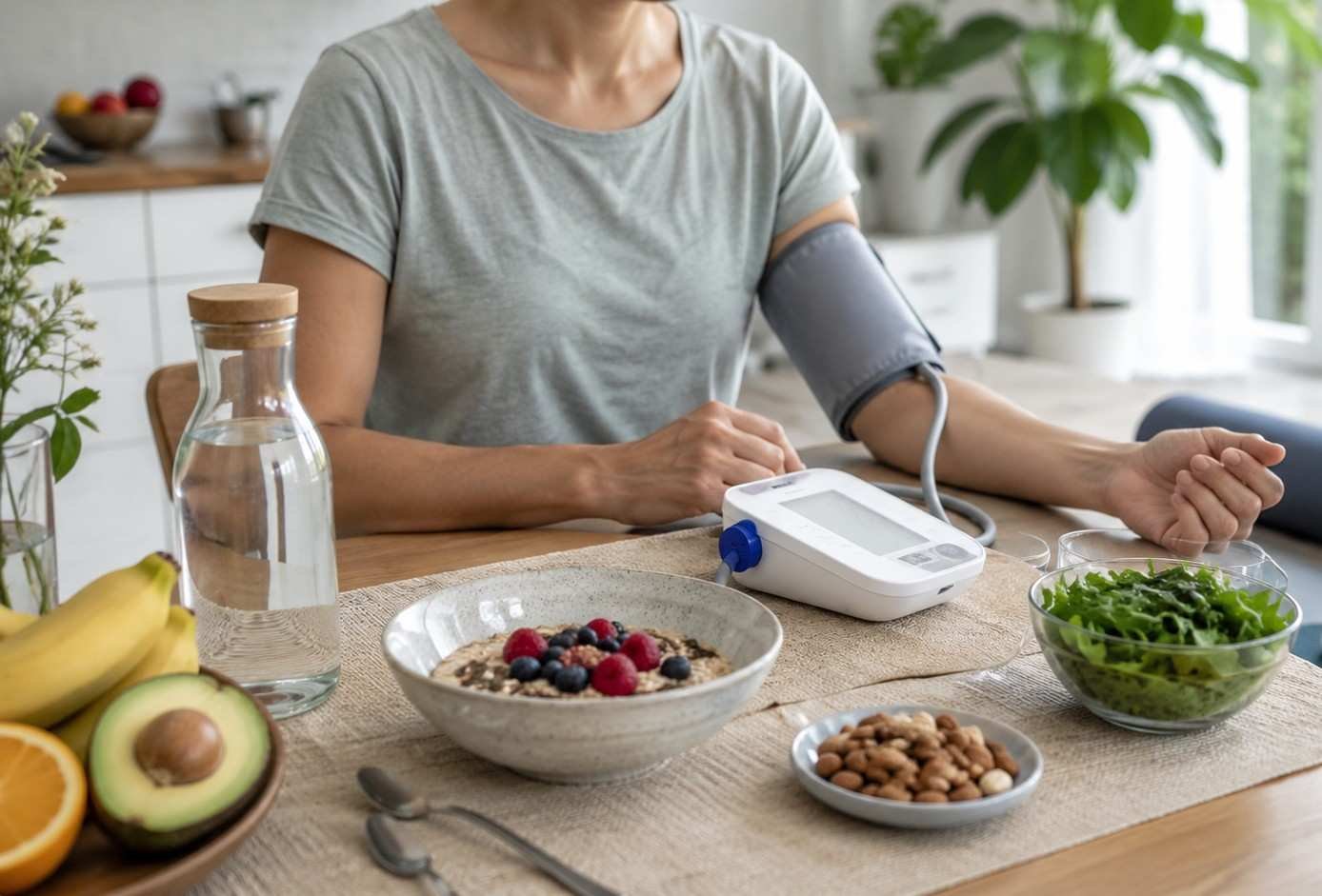
If your blood pressure is above 180/120 mm Hg with chest pain, shortness of breath, weakness, numbness, vision changes, confusion, or trouble speaking, call 911. For daily tracking, use a validated home monitor, support your arm, and record readings at the same time each day.
Follow the DASH diet for heart-healthy eating
The DASH diet, short for Dietary Approaches to Stop Hypertension, is one of the most trusted eating plans for high blood pressure. It focuses on whole grains, fruits, vegetables, low-fat dairy, beans, lentils, nuts, seeds, fish, and lean poultry while limiting saturated fat, added sugar, and processed foods.
For a US household, try oatmeal with berries, a turkey avocado wrap, Greek yogurt with unsalted nuts, or salmon with brown rice and roasted vegetables.
Cut sodium without losing flavor
Many Americans get too much sodium from canned soups, frozen dinners, pizza, deli meats, fast food, chips, sauces, and restaurant meals. Aim for under 2,300 mg daily, while 1,500 mg may be better for many adults with high blood pressure.
Read nutrition labels before buying packaged foods. Choose low-sodium, reduced-sodium, or no-salt-added options when possible. Rinse canned beans and vegetables. Season meals with garlic, lemon, vinegar, herbs, black pepper, onion powder, smoked paprika, or salt-free blends.
Increase potassium from real foods
Potassium helps balance sodium and supports healthy blood vessel function. Foods such as bananas, avocados, potatoes, spinach, beans, lentils, oranges, tomatoes, yogurt, and leafy greens can help.
Some guidance suggests 3,500 to 5,000 mg daily from food, but this is not safe for everyone. If you have kidney disease or take medications that affect potassium, ask your doctor first.
Try beetroot and pomegranate in moderation
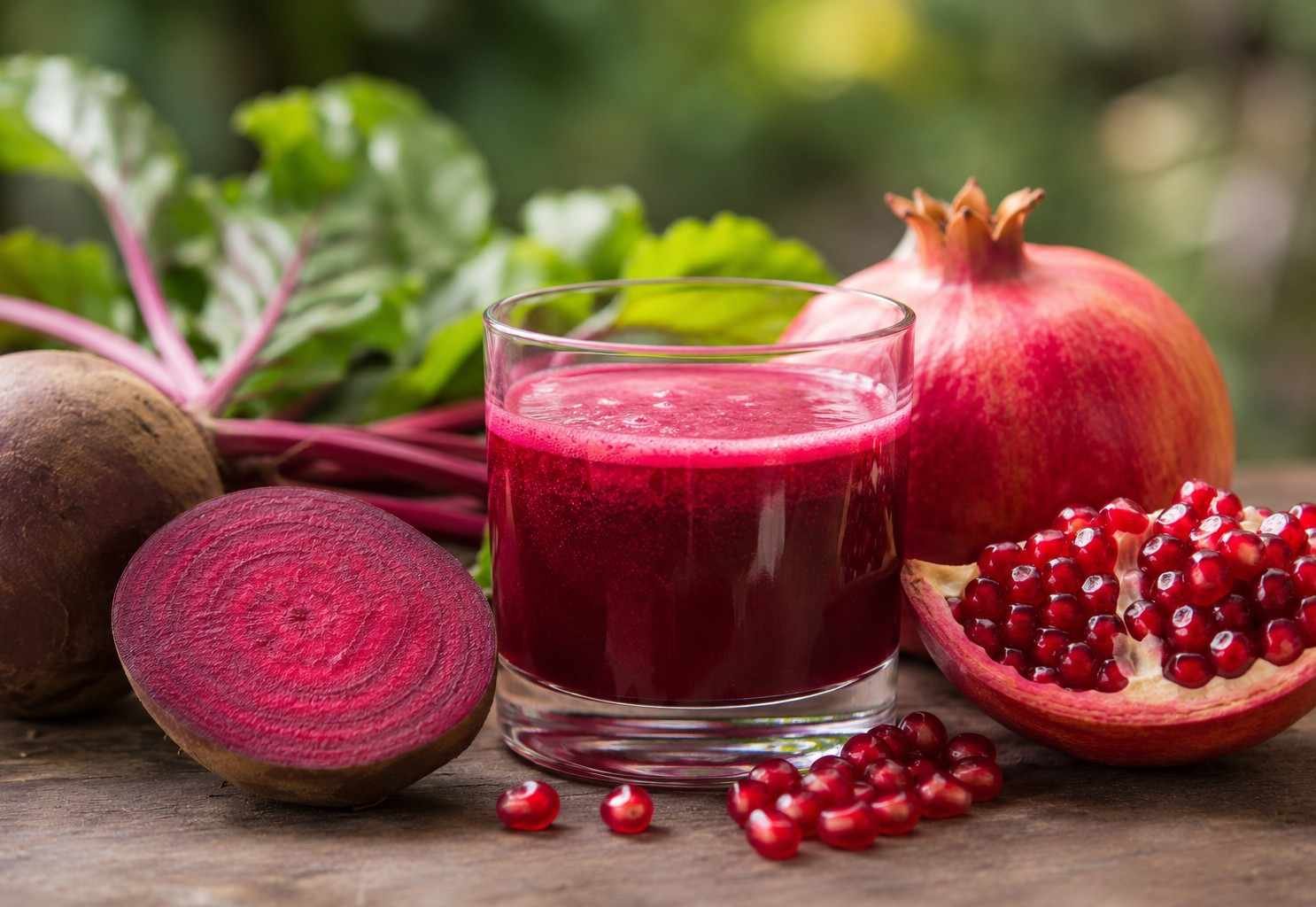
Beetroot juice contains natural nitrates that may help blood vessels relax. Pomegranate juice provides antioxidants that may support vascular health. Choose unsweetened versions, keep portions moderate, and treat them as part of a healthy diet, not a cure. Ask your clinician first if you take blood pressure, diabetes, or blood-thinning medication.
Move for 150 minutes a week
Regular aerobic activity helps your heart pump more efficiently. Aim for 150 minutes of moderate exercise weekly, such as brisk walking, cycling, swimming, dancing, or using an elliptical. That equals about 30 minutes a day, five days a week. If that feels too much, begin with 10-minute walks after meals.
Build strength and add isometric exercise
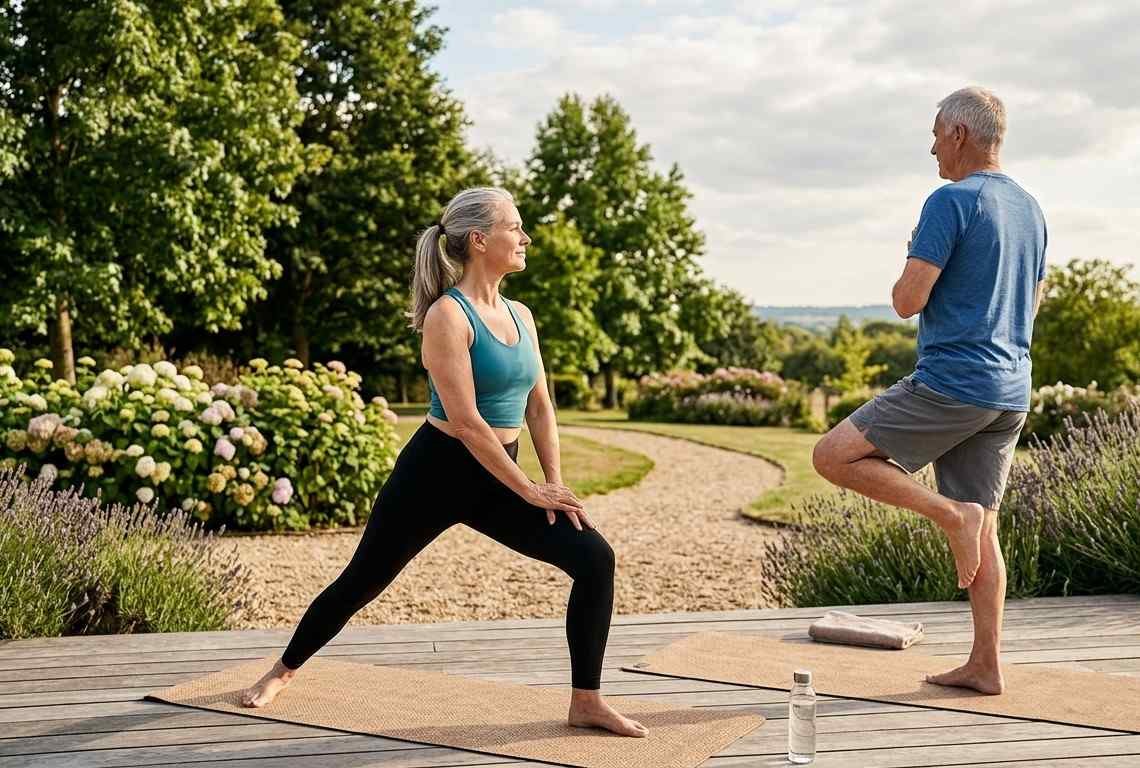
Strength training at least two days a week can support vascular health, weight control, and muscle strength. Use dumbbells, resistance bands, machines, squats, wall push-ups, rows, or step-ups.
Isometric exercises can also help. Wall sits and handgrip exercises involve holding tension for short intervals, often around five minutes total when broken into rounds. Keep breathing and avoid straining. If you have heart disease, dizziness, or very high readings, get medical guidance first.
Sleep 7 to 9 hours
Poor sleep can raise stress hormones and make hypertension harder to control. Most adults need 7 to 9 hours of quality sleep. Keep a regular bedtime, limit late caffeine, reduce screen time, and keep your bedroom cool and dark. If you snore loudly or wake up gasping, ask your doctor about sleep apnea.
Use 4-4-8 breathing for stress
Stress can raise blood pressure and trigger unhealthy habits. Try 4-4-8 breathing when you feel tense. Inhale for four seconds, hold for four seconds, and exhale slowly for eight seconds. Repeat for a few minutes to calm your nervous system.
Lose weight gradually if needed
If you are overweight, losing 5% to 10% of your body weight can reduce pressure on artery walls. Focus on protein at each meal, more fiber, fewer sugary drinks, smaller restaurant portions, daily walking, and consistent sleep.
Quit smoking and limit alcohol
If you are overweight, losing 5% to 10% of your body weight can reduce pressure on artery walls. Focus on protein at each meal, more fiber, fewer sugary drinks, smaller restaurant portions, daily walking, fixing sleep schedule issues, and consistent sleep.
Frequently Asked Questions (FAQs)
1. What is the fastest safe way to lower blood pressure at home?
Sit quietly, breathe slowly, avoid caffeine or nicotine, drink water, and recheck your reading after a few minutes. Seek emergency care for severe readings with symptoms.
2. Can I lower blood pressure without medication?
Lifestyle changes can help many people, but medication may still be necessary. Use natural habits with your doctor’s plan, not instead of it.
3. What foods lower blood pressure naturally?
DASH-friendly foods such as leafy greens, berries, oats, beans, lentils, yogurt, salmon, potatoes, bananas, and unsalted nuts can support better blood pressure.
4. How long does it take to see results?
Some people notice changes within a few weeks, especially after reducing sodium, walking daily, sleeping better, and losing weight.
Final takeaway
When I think about how to lower blood pressure naturally, I think about consistency more than perfection. A lower-sodium lunch, a walk after dinner, better sleep, 4-4-8 breathing, regular home readings, and awareness of the signs of diabetes may look small, but together they can protect your heart. Start with one habit this week, then build from there.


Leave a Reply