
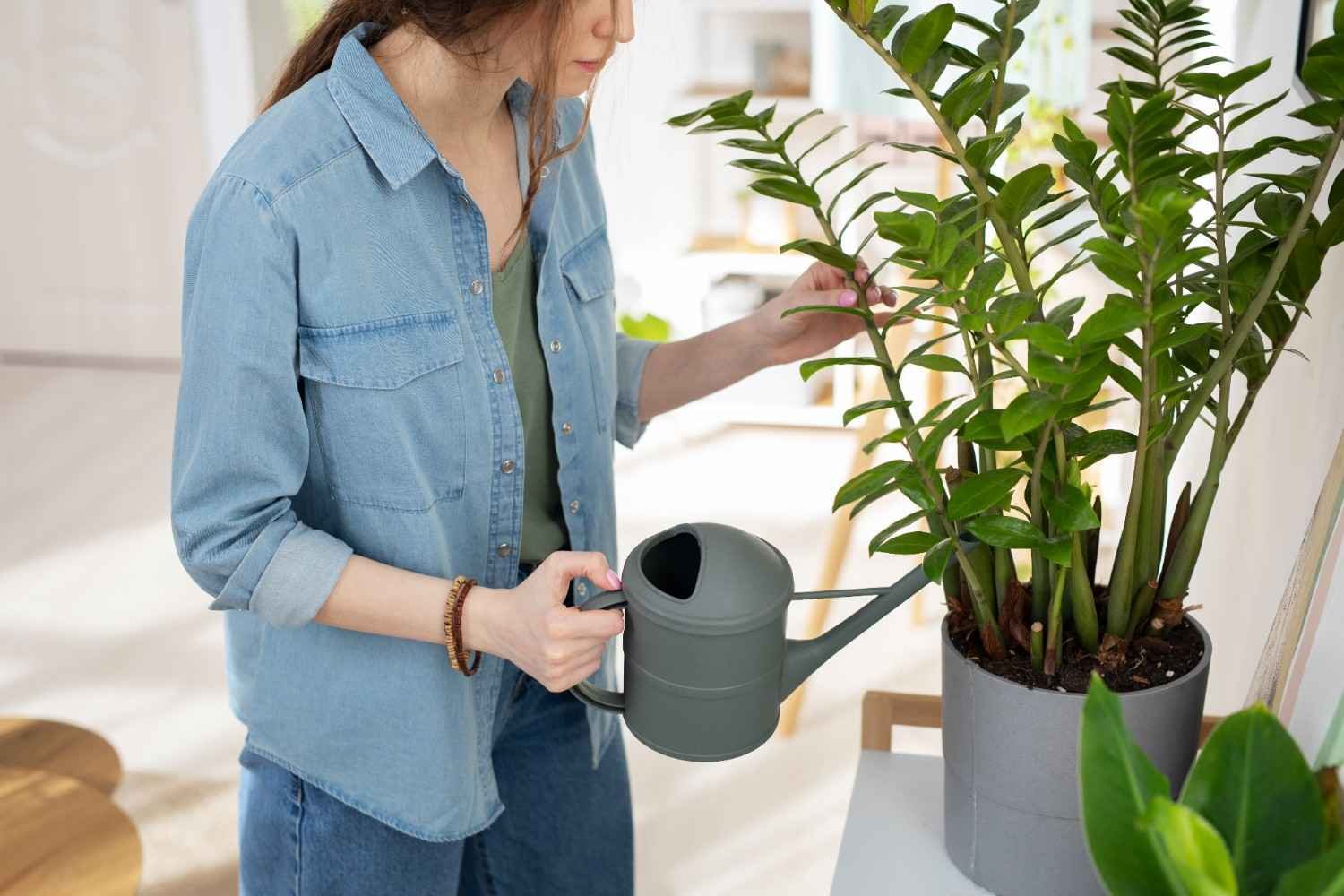
Indoor plants can make a home feel calmer, fresher, and more lived-in, but watering them at the right time is where many people struggle. Some plants dry out before you notice, while others suffer because they get too much attention. That is where self watering plants for home become useful.
Instead of guessing when the soil needs water, a self-watering pot uses a bottom reservoir and capillary action to give the roots a steadier moisture supply. For busy homeowners, apartment renters, remote workers, and frequent travelers, this setup offers a practical way to enjoy healthy indoor greenery without turning plant care into another daily chore.
What Are the Best Self-Watering Plants for Indoor Homes?
The best choices are houseplants that enjoy steady moisture without soggy soil. Peace lilies, pothos, ferns, herbs, spider plants, and African violets usually respond well because they prefer consistent hydration. Snake plants and succulents can work only when you allow long drying windows between reservoir refills.
A self-watering planter can reduce overwatering and underwatering, but it still needs the right light, airy potting mix, and a plant-appropriate moisture routine.
How Do Self-Watering Planters Work?
Most self-watering planters use sub-irrigation. You fill the bottom reservoir, and water moves upward through a cotton rope, wick, mineral substrate, or soil contact area. This is capillary action. Instead of flooding soil from the top, the plant draws moisture from below as the mix dries.
Which Plants Grow Best in Self-Watering Pots?
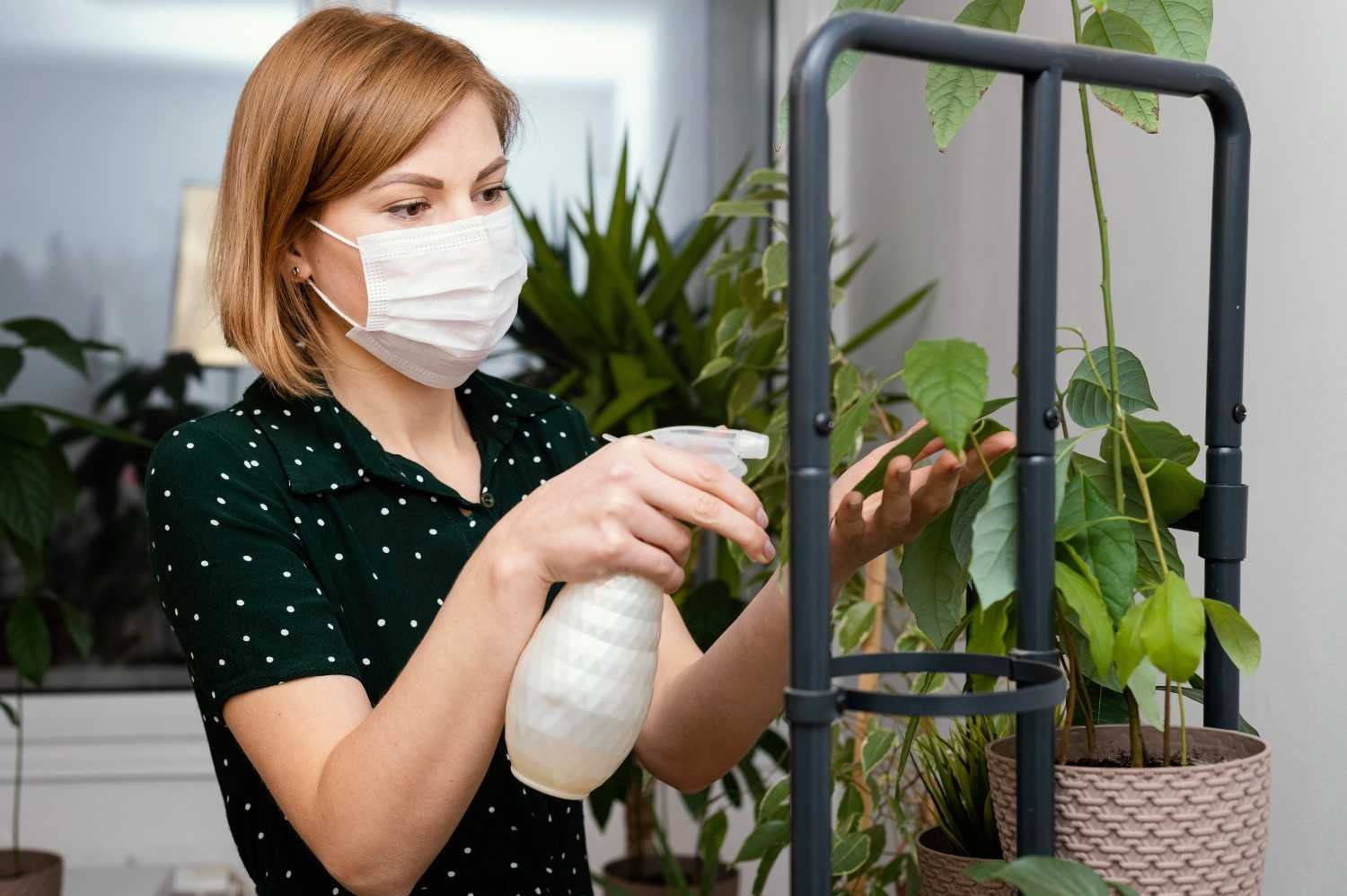
Are Peace Lilies Good for Self-Watering Pots?
Peace lilies are thirsty indoor plants, so they benefit from consistent moisture. A self-watering pot can prevent drooping when soil gets too dry. Keep them in bright indirect or medium light.
Is Money Plant or Pothos a Good Choice?
Money plant, also called pothos, is one of the easiest indoor plants for self-watering pots. Its trailing vines suit shelves, counters, desks, and hanging planters. It absorbs water on demand and adapts well indoors.
Can Ferns Grow in Self-Watering Planters?
Boston ferns and maidenhair ferns like steady moisture and humidity. A sub-irrigation system can keep them lush in heated or air-conditioned homes, especially in bright bathrooms or shaded corners with indirect light.
Are Herbs Good for Kitchen Self-Watering Planters?
Basil, mint, parsley, and cilantro dry out quickly in small containers. Self-watering herb planters keep soil evenly moist and help kitchen herbs look fuller near a sunny window or grow light.
Can Snake Plants and Succulents Use Self-Watering Pots?
Snake plants, aloe, jade plants, echeveria, and many succulents prefer dry soil. Use a small reservoir, let it empty completely, and keep it dry for a few days before refilling. A fast-draining cactus mix is essential.
Best Self-Watering Pots for Indoor Plants
When choosing a planter, look for an easy-fill reservoir, water indicator, durable material, and a design that fits your room. For US shoppers, Lechuza is the strongest premium option because it is easier to find in the US; the other models are useful feature examples, though availability may vary.
Ugaoo Krish Self Watering Planter is a compact set-of-five option with a capillary-action mechanism, matte recyclable plastic, and a desktop-friendly design. Gardencia Cube Self Watering Square Pot uses a wick system, transparent water-level window, and UV-stabilized polypropylene for bright windows, living rooms, and kitchen herbs.
Eha Earth Friendly Ace 5 inch Small Self Watering Pots suit eco-conscious buyers because they use biocomposite material with natural bamboo fibers, a built-in tray, and a minimalist design. Lechuza Flowerpot Classico Color Complete Kit is a premium pick with a water indicator, mineral sub-irrigation substrate, shatterproof build, and UV-protected engineering.
Nurturing Green Set of 4 Self Watering Pots is beginner-friendly because its cotton rope transfer method moves water from the lower tray to the root zone while the bottom drainage design catches overflow.
How Do You Set Up Self-Watering Planters Correctly?
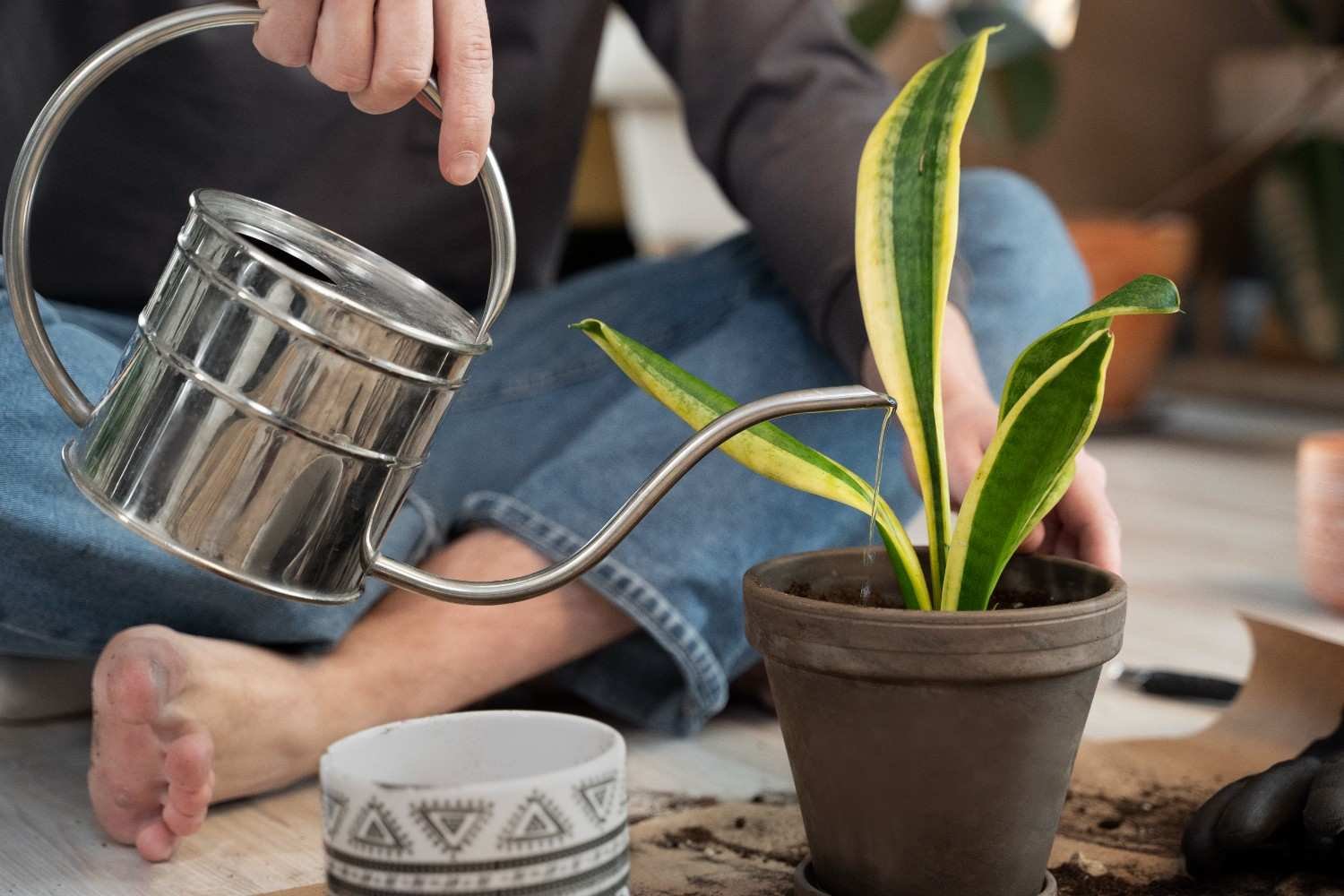
Start with top-watering for the first two to three weeks after repotting. This helps roots grow downward toward the moisture zone. If you fill only the reservoir too soon, shallow roots may not reach the water source.
Add a drainage layer or mineral substrate when the planter design calls for it. Small stones, lightweight granules, or a specialized mineral layer can keep roots from sitting directly in stagnant water. Use light indoor potting mix instead of heavy garden soil.
Let the reservoir empty completely from time to time. A short dry period gives roots oxygen and lowers root rot risk, especially for snake plants, succulents, and plants in low-light rooms.
Where Should You Place Self-Watering Plants at Home?
Self watering plants for home work best when placement matches the plant. Put pothos or spider plants in living rooms and offices. Use peace lilies or ferns in bright bathrooms. Keep herbs near kitchen windows. Choose compact planters for apartment shelves, desks, and narrow window ledges.
Avoid direct afternoon sun because the reservoir can heat up and stress roots. In darker rooms, choose low-light tolerant plants and refill less often.
Common Mistakes to Avoid
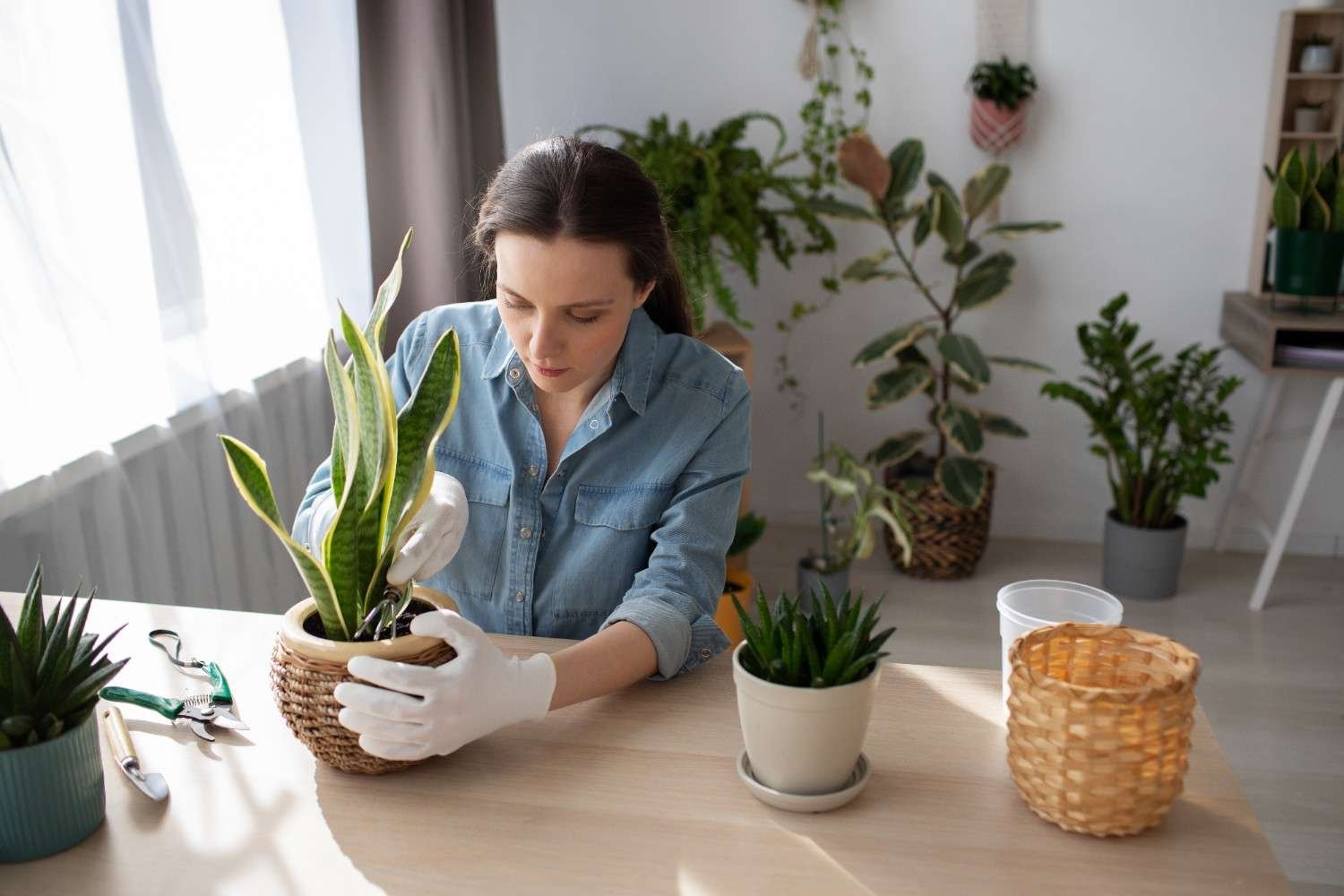
The biggest mistake is treating a self-watering pot like a no-maintenance plant sitter. It still needs cleaning, refilling, light control, and occasional soil checks. Another mistake is using the same setup for every plant. A peace lily and a cactus need very different moisture routines.
Do not keep the reservoir full all the time, use dense soil, or ignore algae and mineral buildup. Rinse the reservoir every few weeks.
Frequently Asked Questions (FAQs)
1. Are self-watering pots good for indoor plants?
Yes, they are good for indoor plants that like steady moisture, including peace lilies, pothos, ferns, herbs, spider plants, and African violets.
2. How often should I refill a self-watering planter?
Most indoor self-watering pots need a refill every one to three weeks, depending on plant size, light, humidity, temperature, and reservoir capacity.
3. Can self-watering pots cause root rot?
They can if the plant dislikes moisture, the soil is dense, or the reservoir stays full constantly. Dry periods and airy potting mix help.
4. What is the easiest plant for a self-watering pot?
Pothos is one of the easiest choices because it adapts well, grows quickly, and tolerates normal indoor light.
Final Takeaway
I like self watering plants for home because they make indoor plant care easier without making it careless. The best results come from pairing thirsty or water-sensitive houseplants with a quality pot, top-watering first, choosing the right soil, and allowing occasional dry periods.
Start with pothos, peace lily, herbs, or ferns, or try an indoor hydroponic garden for beginners if you want a cleaner, soil-light way to grow plants indoors. Then choose planters that match your décor, space, and schedule.


Leave a Reply