
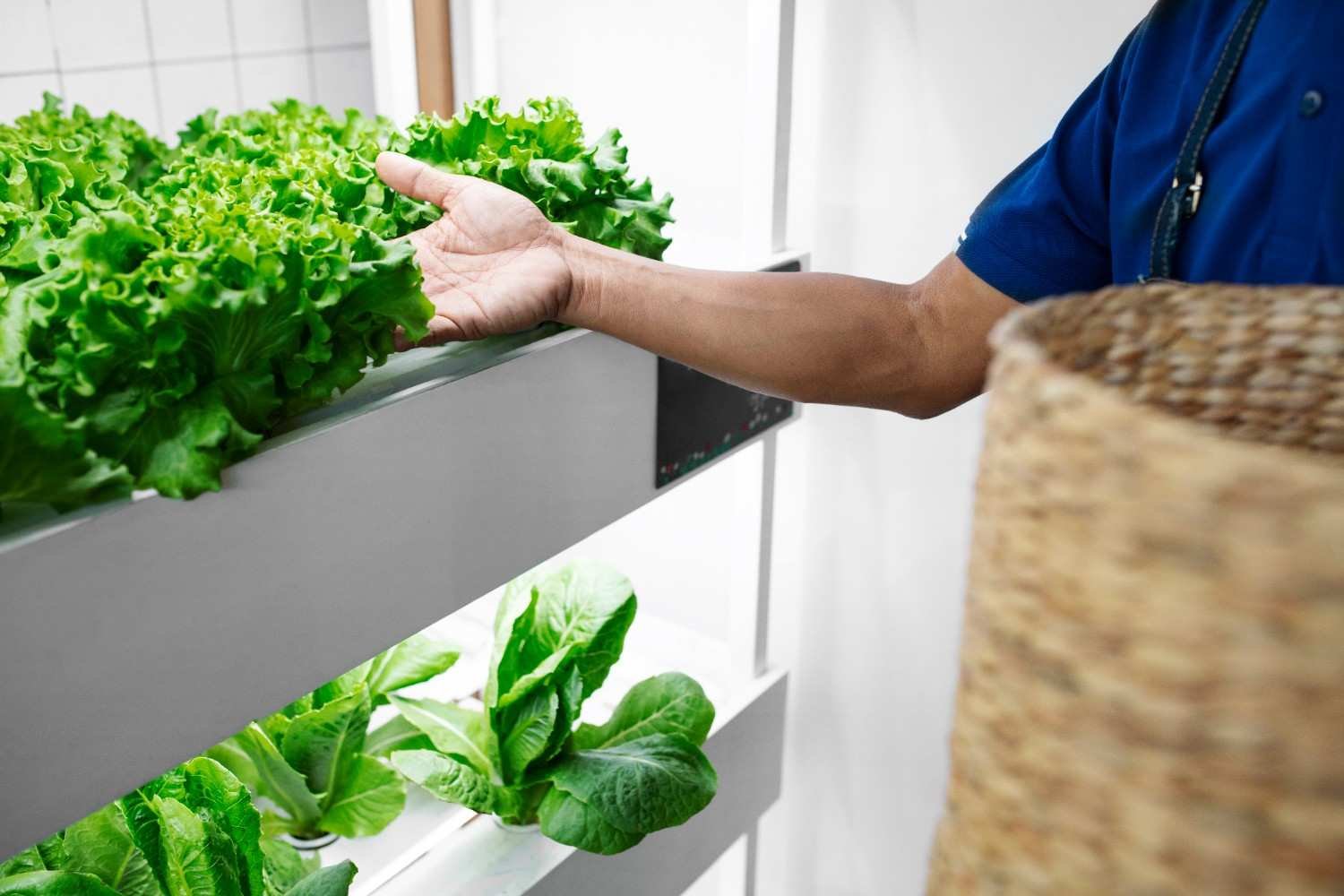
Starting an indoor hydroponic garden for beginners is one of the easiest ways to grow fresh herbs, lettuce, and leafy greens without digging in soil or needing a backyard. I like this method because it feels clean, simple, and practical for everyday homes, apartments, condos, and small kitchens across the US.
You can grow food on a countertop, shelf, or small plant stand with water, nutrients, grow lights, and the right beginner-friendly system.
Hydroponics may sound technical at first, but the basic idea is simple. Plants grow without soil and receive nutrition from a water-based nutrient solution. Their roots sit in grow sponges, net pots, coco coir, clay pebbles, or pre-seeded pods, depending on the system you choose.
Once you understand the basics, indoor hydroponic gardening becomes less intimidating and much more rewarding.
What Is an Indoor Hydroponic Garden?
An indoor hydroponic garden is a soil-free growing system that helps plants grow indoors using nutrient-rich water. Instead of pulling minerals from dirt, the roots absorb what they need directly from the water. This gives you more control over light, water, nutrients, and growing conditions.
For beginners, this can be a major advantage. You do not have to worry about poor soil, weeds, outdoor pests, frost, or extreme summer heat. That makes hydroponics especially useful for people living in cities, colder states, or homes with limited outdoor space.
Why Are Smart Countertop Kits Best for Beginners?
If you are new to hydroponic gardening, all-in-one smart countertop kits are usually the easiest place to start. These kits often include full-spectrum LED grow lights, a water reservoir, seed pods, nutrient reminders, and either an automatic pump or a passive wick system. You do not need previous gardening experience because the system handles much of the setup for you.
Many US households choose countertop hydroponic kits because they fit neatly in kitchens and make it easy to grow basil, lettuce, mint, parsley, and other fresh ingredients close to where you cook. Some systems even flash, beep, or show alerts when it is time to add water or liquid plant food.
Which Beginner Hydroponic System Should You Choose?
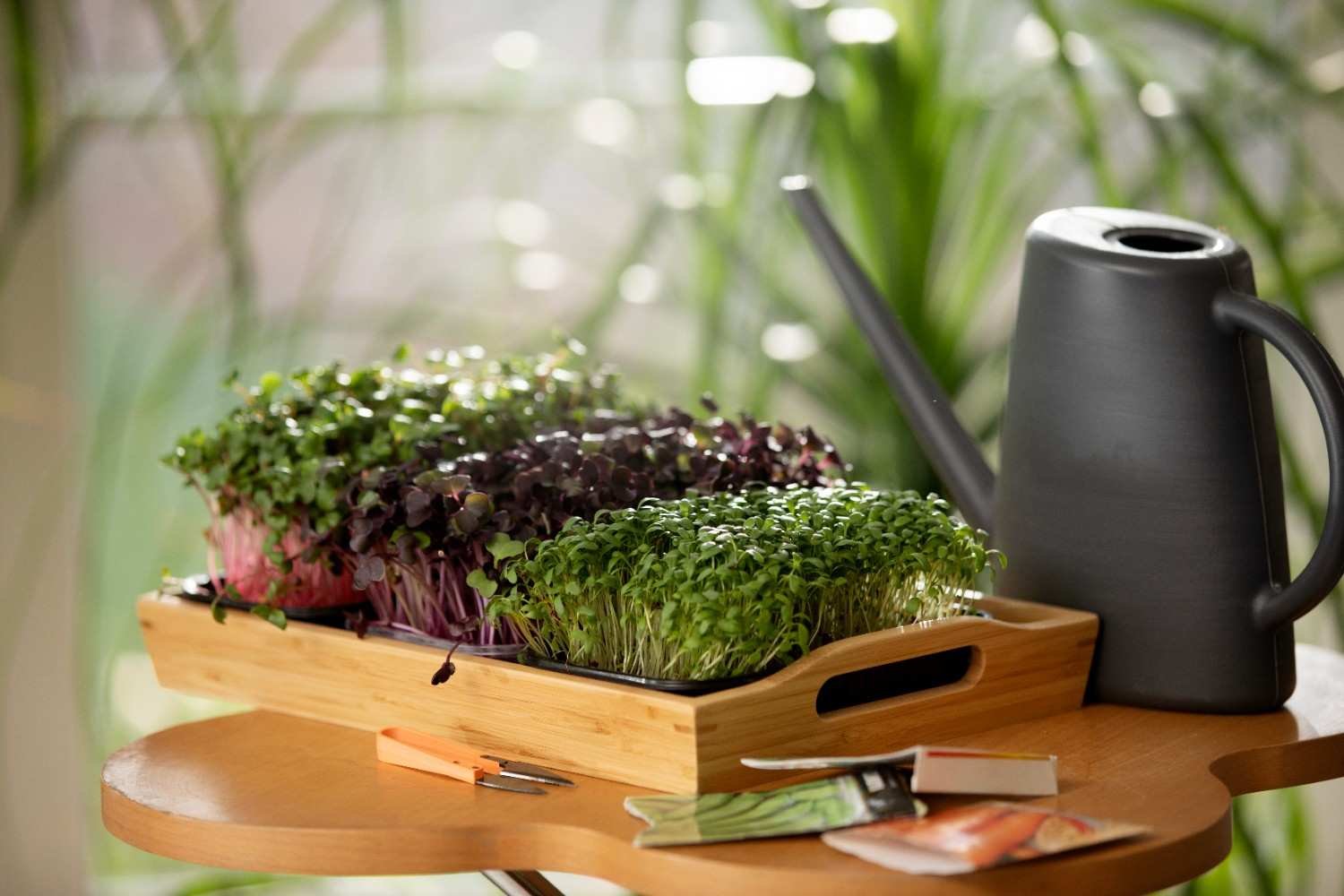
The right beginner hydroponic system depends on how hands-on you want to be. Most first-time growers choose between active plug-and-play kits and passive smart soil-style kits.
Active Plug-and-Play Hydroponic Kits
Active kits, such as systems similar to AeroGarden or iDOO, usually use a small built-in water pump to move and oxygenate the water. This helps deliver nutrients directly to plant roots. Some brands advertise that plants can grow much faster than traditional soil gardening when light, water, oxygen, and nutrients are managed well.
These kits often include electronic control panels, automatic light timers, and reminders for water and nutrients. They are a strong choice if you want faster growth, more automation, and a system that feels guided from the first week.
Passive Wick-Based Smart Garden Kits
Passive systems, such as options similar to Click & Grow, use a wick to pull water from the reservoir into the plant pod. These systems usually have no moving parts, which makes them quiet and simple. Many also use pre-seeded sponge pods with slow-release nutrients already included.
This style works well if you want a set-it-and-forget-it indoor garden system. You mostly refill the basin when the water indicator drops and let the system do the rest.
What Are the Best Plants for Hydroponics Indoors?
The best plants for hydroponics are fast-growing, compact, and forgiving. For a first batch, I recommend herbs and leafy greens because they grow quickly and do not need much space.
Basil is one of the best choices for beginners. Genovese basil and Thai basil usually sprout quickly and respond well to regular pruning. Mint, dill, curly parsley, cilantro, and thyme also work well in many small hydroponic garden setups.
For leafy greens, try romaine lettuce, butterhead lettuce, kale, spinach, and arugula. These crops are ideal because you can harvest them using a cut-and-come-again method. Instead of pulling the whole plant, you trim outer leaves and allow the center to keep growing.
Beginners should usually avoid tomatoes, peppers, cucumbers, and strawberries at first. These plants can grow hydroponically, but they need more light, space, support, pruning, and patience.
How Do You Set Up a Hydroponic Garden at Home?
Choose a stable indoor location first. A kitchen counter, breakfast bar, laundry room shelf, or bright corner near an outlet can work well. Avoid areas near heating vents, cold drafts, or places where pets can knock the system over.
Next, fill the reservoir with clean water and add the hydroponic nutrient solution according to the label. Do not add extra nutrients hoping for faster growth. Too much plant food can damage roots and slow the garden down.
Place your seed pods, grow sponges, or net pots into the system. Turn on the LED grow lights and follow the recommended light schedule. If your system has a timer, plug it in first thing in the morning so the automatic cycle matches your household routine.
How Much Light Do Indoor Hydroponic Plants Need?
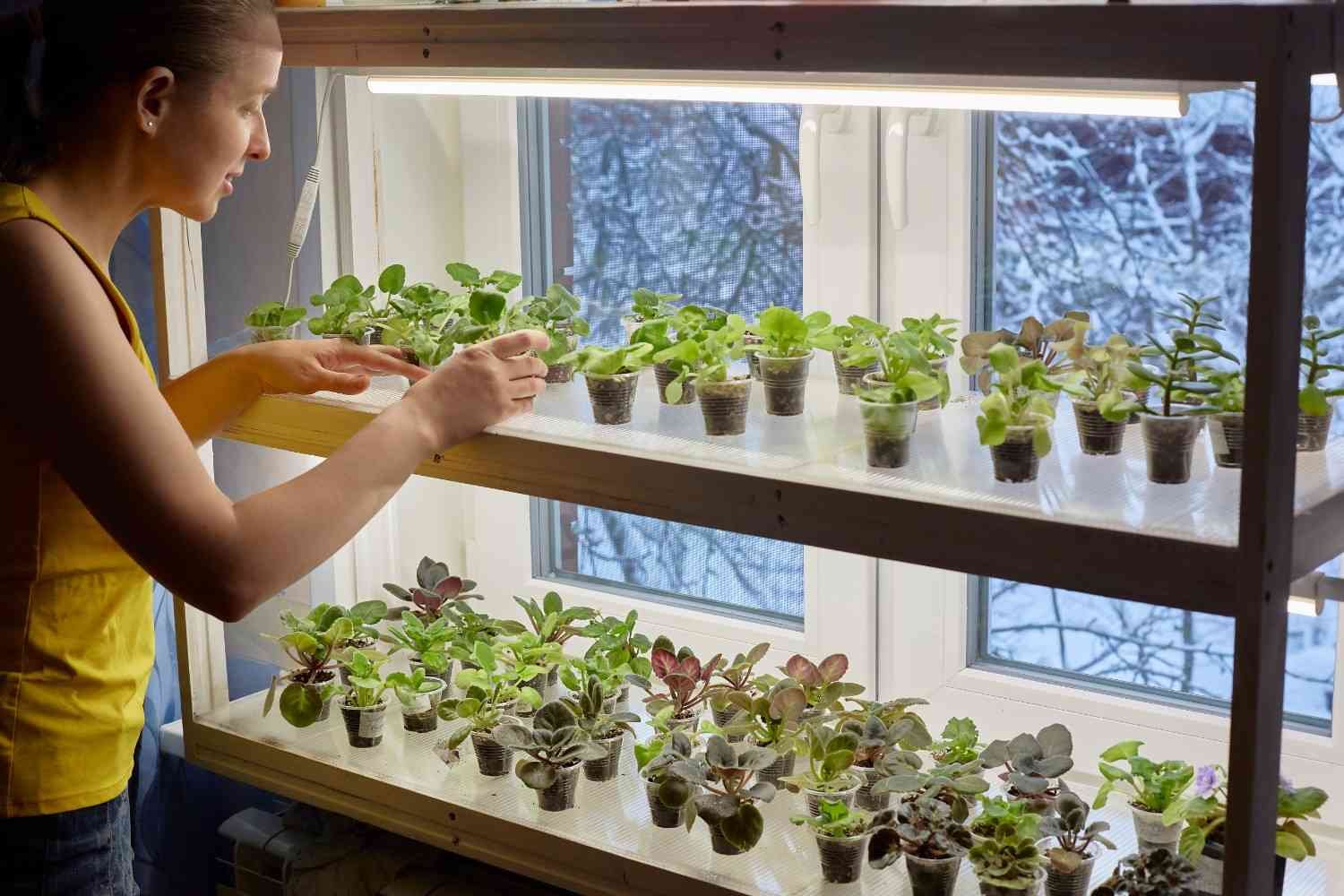
Most indoor hydroponic herbs and leafy greens need long, consistent light exposure. Many countertop systems run best with grow lights on for about 15 to 16 hours a day. This gives plants enough energy to grow indoors, especially during winter or in homes that do not receive strong natural sunlight.
Full-spectrum LED grow lights are popular because they provide the type of light plants need while staying energy-efficient. If your seedlings look tall, thin, or pale, they may need stronger light or more time under the lamp. If leaves look dry or burned, the light may be too close.
What Are the Golden Rules for Hydroponic Success?
The first rule is to keep the system clean. Every four to six weeks, perform a rinse and refill. Empty the water reservoir, rinse away sediment, refill it with fresh water, and add a new dose of liquid plant food.
The second rule is to prevent algae. Empty pod holes should stay covered with plastic caps, spare pod covers, or even simple blockers like golf tees. Algae grows when strong LED light hits still, nutrient-rich water.
The third rule is to prune early and often. Fast-growing plants like basil can quickly block light from smaller seedlings. Snip the tops to encourage bushier growth and keep plants below the light hood.
The fourth rule is to check water levels often. As plants grow larger, they drink more. A small system can go from full to low faster than beginners expect.
What Common Mistakes Should Beginners Avoid?
One common mistake is planting too many large crops in a small system. Stick with herbs and greens until you understand how your setup works. Another mistake is ignoring the light cycle. Indoor hydroponic plants cannot grow well in a dark corner, even if the water and nutrients are perfect.
Beginners also forget to trim plants. Harvesting is not only about eating fresh greens. It also helps plants stay compact, healthy, and productive. Regular pruning improves airflow and prevents one plant from taking over the whole garden.
Is an Indoor Hydroponic Garden Worth It?
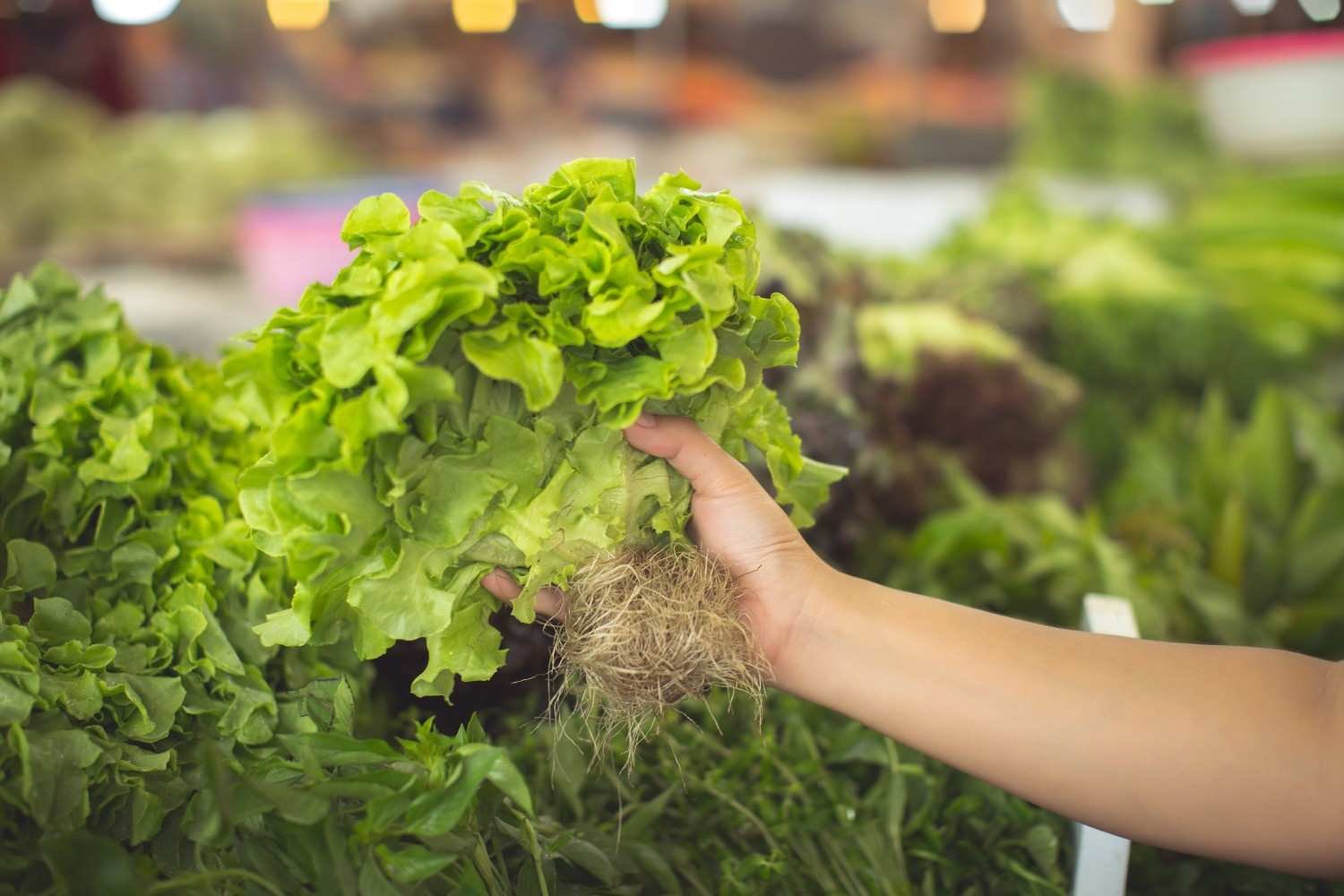
An indoor hydroponic garden for beginners is worth it if you want fresh herbs, salad greens, and a simple way to grow food at home year-round. It may not replace your full grocery run, but it can reduce waste, improve everyday meals, and give you a satisfying indoor hobby.
It can also pair well with self watering plants for home if you want an easier indoor growing setup with less daily maintenance.
I would start small with basil, lettuce, mint, or arugula. Once you learn how to manage water, light, nutrients, and pruning, you can try more plants or upgrade to a larger system.
Frequently Asked Questions (FAQs)
1. What is the easiest hydroponic system for beginners?
A smart countertop hydroponic kit is usually the easiest choice because it includes lights, pods, a reservoir, and reminders for water or nutrients.
2. What grows fastest in an indoor hydroponic garden?
Basil, lettuce, arugula, mint, and many leafy greens grow quickly in small indoor systems when they receive enough light and nutrients.
3. Do hydroponic gardens need soil?
No, hydroponic gardens do not need soil. Plants grow in water with nutrients and may use sponges, pods, clay pebbles, or other support materials.
4. How often should I clean a hydroponic garden?
Most small systems benefit from a rinse and refill every four to six weeks, although you should always follow your specific system’s instructions.
5. Can I use tap water for hydroponics?
In many homes, tap water can work, but filtered water may be better if your water is very hard or heavily treated. A simple pH test can help you avoid nutrient issues.
Final Thoughts
Building an indoor hydroponic garden for beginners does not have to feel complicated. With a small countertop kit, full-spectrum LED lights, easy herbs, leafy greens, and a basic care routine, you can grow fresh food indoors without soil, mess, or outdoor space.
I like hydroponics because it gives you control. You decide the light, water, nutrients, and plant choices. Start simple, prune often, keep the reservoir clean, and you can enjoy fresh flavor from your own indoor garden in any season.




Leave a Reply