

The habits of highly organized people are not about color-coded perfection or spotless countertops. They are about making daily life easier before it becomes stressful. I learned this the hard way: when my desk, calendar, inbox, and errands all felt “almost manageable,” I was actually wasting energy deciding what to do next.
Highly organized people do not rely on memory, motivation, or panic. They build small systems that reduce friction. Once I started copying those systems, my days felt lighter, even when my workload stayed the same.
Why Organized People Look Calm Before Life Gets Busy
Organized people are not calm because life gives them fewer problems. They look calm because fewer things surprise them.
They know where their keys are. They know what tomorrow needs. They know which task matters first. That structure protects their attention. It also reduces the small decisions that quietly drain energy all day.
The real difference is not talent. It is preparation.
They Capture Everything Before It Becomes Mental Clutter
Writing Things Down Creates Breathing Room
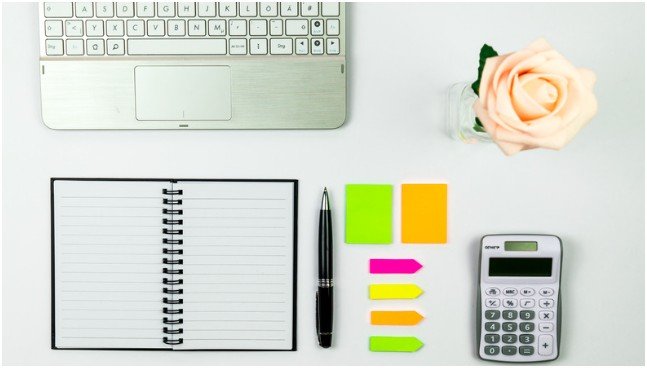
One of the strongest habits of highly organized people is writing everything down. Tasks, appointments, ideas, reminders, bills, birthdays, passwords, and grocery needs do not belong in the brain.
I keep one running capture list for loose thoughts. If something takes more than five seconds to remember later, I write it down immediately. That includes small tasks like replacing batteries or confirming a dentist appointment.
This habit works because it removes the “I must remember this” loop. The brain can focus on work instead of acting like a messy storage unit.
One Trusted System Beats Ten Pretty Apps
Organized people usually have one trusted place for information. It may be a paper planner, Google Calendar, Apple Notes, Notion, Todoist, or a simple notebook.
The tool matters less than the rule: everything important must land somewhere reliable.
I have made the mistake of using too many apps at once. One list had errands. Another had work tasks. Another had content ideas. It looked productive, but it created more searching. Now I use fewer tools and check them daily.
That is the hidden habit: organized people do not chase the newest system every week.
They Plan Tomorrow Before the Day Starts
The Night-Before List Removes Morning Friction
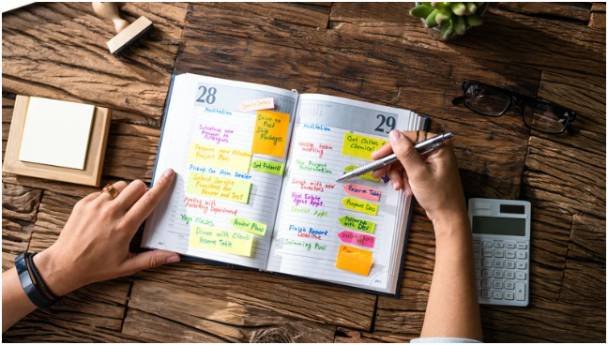
Planning tomorrow tonight is one of the most useful habits of highly organized people. It removes the slow, confused start that ruins many mornings.
Before I stop working, I choose three priorities for the next day. Not twelve. Not a fantasy list. Just three tasks that would make the day successful.
This takes five minutes. It saves much more than that in the morning.
A good night-before plan answers three questions: What must get done? What can wait? What could block me?
That last question matters. If a meeting, school drop-off, commute, or appointment will interrupt the day, the plan must respect it.
Time Blocking Protects Focus
Highly organized people avoid multitasking when the task requires real thinking. They block time for one job and protect that window as much as possible.
I use time blocks for writing, admin, calls, and errands. It helps because each task has a home in the day. I no longer keep negotiating with myself every hour.
A simple block might look like this: 9:00 to 10:30 for deep work, 10:30 to 11:00 for email, and 11:00 to 12:00 for meetings or follow-ups.
This does not make life rigid. It makes the day less chaotic.
They Do the Hard Thing Before the Day Gets Loud
Why the “Frog” Works
Many organized people tackle the hardest or most important task first. Some call this “eating the frog.” I call it protecting the day from avoidance.
The difficult task is usually not hard only because of effort. It often brings discomfort, uncertainty, or pressure. That is why it gets pushed down the list.
When I finish the biggest task early, the rest of the day feels easier. When I avoid it, every smaller task feels slightly guilty.
This habit is not about being intense. It is about removing the task that has the most emotional weight.
Deadlines Stop Tasks From Spreading
Organized people give tasks a clear finish line. Without one, even simple work expands.
Instead of writing “clean the kitchen,” I write “clear counters and load dishwasher by 8:30.” Instead of “work on report,” I write “draft intro and outline by 11:00.”
Specific deadlines create structure. They also stop low-value tasks from stealing the whole day.
They Give Every Item a Real Home
The One-Touch Rule Keeps Clutter From Growing
One of the most practical habits of highly organized people is giving everything a specific home. Keys go in one tray. Mail goes in one spot. Chargers go in one drawer. Receipts go in one folder.
The one-touch rule builds on this. When I pick something up, I try to put it where it belongs immediately. I do not place it on the counter “for now,” because “for now” often becomes three days.
This rule sounds tiny. It changes the whole room.
Organized People Gatekeep What Enters
Organized people are careful about what they bring into their homes, offices, calendars, and inboxes. They know clutter begins before storage becomes a problem.
Before buying something, I ask: Do I already own something like this? Where will it live? Will I still want to manage it in six months?
That one pause prevents many future messes.
The same applies to commitments. A packed calendar is clutter too.
They Declutter in Small, Boring, Repeatable Ways
The 3-Zone Reset I Use
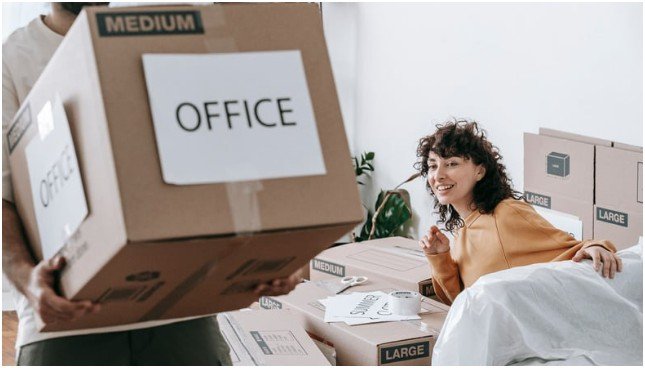
My favorite original system is the 3-Zone Reset: one shelf, one screen, one schedule.
Once a week, I clean one physical shelf or drawer. Then I clear one digital screen, such as my desktop, downloads folder, or phone home screen. Finally, I review one schedule, usually the coming week.
This takes about 20 minutes. It works because it is too small to avoid.
Big decluttering weekends feel heroic, but they are hard to repeat. Small resets become normal.
Digital Clutter Counts Too
Highly organized people do not treat digital clutter as invisible. Old files, unread emails, duplicate photos, unused apps, and messy folders all create friction.
I delete junk mail immediately. I archive finished work. I rename files with clear labels. I keep my desktop clean enough that I can find what I need quickly.
Digital order saves time because searching is one of the quietest productivity leaks.
They Choose Function Over Perfection
Good Enough Is Often the Smarter Standard
The habits of highly organized people are not built on perfectionism. In fact, perfectionism often slows organization down.
An organized pantry that helps you cook is better than a beautiful pantry you are scared to touch. A simple planner you use daily is better than an expensive planner abandoned after one week.
I try to separate high-stakes work from low-stakes work. Important tasks get more care. Small tasks get completed without drama.
That mindset keeps systems moving.
They Stick With Systems That Work
Organized people do not constantly rebuild their lives around new trends. Once a system works, they let it work.
This is boring. That is why it succeeds.
If your laundry basket, calendar reminder, bill folder, or meal plan already helps you, keep it. Upgrade only when the system creates problems, not because another system looks nicer online.
They Prepare for Problems Before Problems Arrive
Organized People Check the Week Ahead
Highly organized people are proactive. They look ahead for conflicts before those conflicts become emergencies.
Every Sunday, I check appointments, bills, deadlines, errands, and meals. I look for tight spots. If Tuesday is packed, I move a task to Monday. If a bill is due Friday, I schedule it before the week gets messy.
This habit makes life feel less reactive.
It also helps with sleep and energy. A stable routine gives the brain fewer late-night worries to replay.
They Delegate Before Burnout Starts
Another overlooked habit is asking for backup early. Organized people know their limits. They delegate, reschedule, automate, or simplify before everything breaks.
At home, that may mean assigning chores clearly. At work, it may mean asking for help before a deadline becomes unrealistic. For personal admin, it may mean using autopay, reminders, delivery subscriptions, or shared calendars.
Being organized is not doing everything alone. It is making sure everything has a realistic path.
FAQs About Habits of Highly Organized People
1. What are the daily habits of highly organized people?
They write tasks down, plan the next day, put items away immediately, follow routines, and review priorities before the day fills up.
2. How do organized people stay consistent?
They use simple systems that are easy to repeat, instead of relying on motivation or complicated routines.
3. What is the best habit to become more organized?
Start by giving every important task and item one trusted home, because scattered things create scattered thinking.
4. Are organized people naturally disciplined?
Some are, but most stay organized by reducing friction, planning ahead, and making good habits easier to repeat.
Final Take: Your Future Self Deserves Better
The habits of highly organized people are not magic. They are small acts of kindness toward your future self.
Write it down. Put it away. Plan tomorrow. Clear one shelf. Protect one focus block. Say no before your calendar starts acting dramatic.
Start with the 3-Zone Reset this week: one shelf, one screen, one schedule. It is simple, slightly boring, and annoyingly effective. That is exactly why it works.



Leave a Reply