
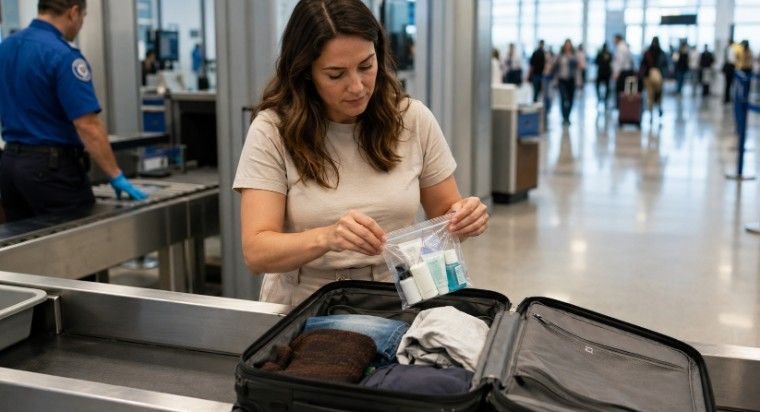
Airport security can turn a smooth travel day into a frustrating experience in minutes. After seeing travelers scramble to throw away expensive toiletries and repack bags at checkpoints, traveling with liquids on plane quickly became one of the most important travel skills to learn. Understanding the rules before departure saves time, protects your belongings, and makes every trip feel much more relaxed.
Key Takeaways
- Understanding the 3-1-1 rule prevents most airport liquid-related problems.
- Container size matters more than the amount of liquid inside.
- Checked luggage allows larger liquid quantities without size restrictions.
- Medical liquids and baby essentials often qualify for exemptions.
- Smart packing reduces delays, spills, and travel stress.
This Travel Rule Deserves Your Attention
Many travelers spend weeks planning flights, hotels, and sightseeing activities but overlook liquid restrictions until they reach security screening. That small mistake can lead to confiscated products, longer wait times, and unnecessary stress before boarding.
The good news is that liquid regulations are not complicated once you understand them. A few minutes of preparation can help you pass through security smoothly and keep your favorite travel essentials exactly where they belong, inside your bag instead of a disposal bin.
Understanding Carry-On Liquid Rules
The carry-on liquid rule is one of the most important airport regulations travelers should know.
The 3-1-1 Rule Explained
For carry-on bags, all liquids, gels, and aerosols must follow the 3-1-1 rule. Every container must be 3.4 ounces or 100 milliliters or smaller. All containers must fit comfortably inside one clear quart-sized plastic bag, and each traveler is allowed only one bag.
This rule applies to products such as shampoo, lotion, perfume, sunscreen, liquid makeup, mouthwash, and many personal care items that travelers carry every day.
Container Size Matters More Than Contents
A common mistake occurs when travelers bring partially filled large containers. Even if a bottle contains only a small amount of liquid, security officers focus on the container’s maximum capacity.
For example, an eight-ounce bottle containing one ounce of shampoo can still be prohibited because the container itself exceeds the approved size limit.
Keeping Liquids Accessible
Place your quart-sized bag in an easily accessible section of your carry-on luggage. This simple habit speeds up the screening process and prevents delays during busy travel periods.
What You Can Pack In Checked Bags
Checked luggage offers much more flexibility for travelers carrying liquids.
No Size Restrictions Apply
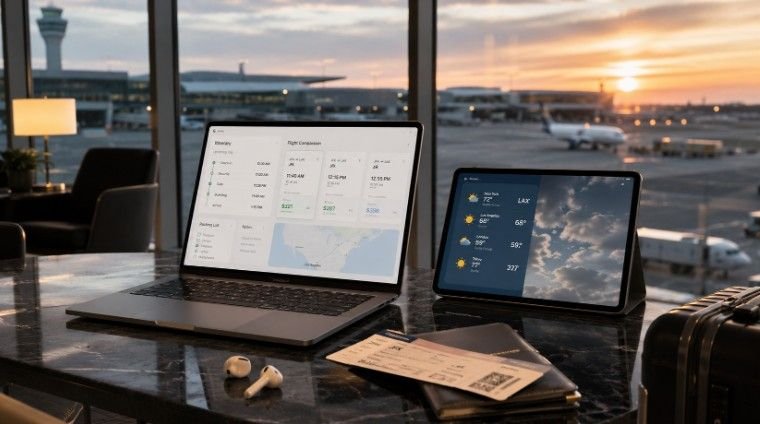
Unlike carry-on baggage, checked luggage generally has no size limits for liquids. Full-sized shampoo bottles, body wash, skincare products, beverages, and other liquid items can usually travel safely in checked baggage.
This flexibility is especially useful for long vacations, family trips, and international travel where larger quantities may be necessary.
Prevent Leaks During Travel
Changes in pressure and rough baggage handling can cause containers to leak during flights. Tightening caps securely before departure helps reduce this risk.
Many experienced travelers place liquids inside waterproof zip-top bags for additional protection. This extra layer prevents spills from damaging clothing and electronics.
Smart Packing For Longer Trips
Travelers heading away for several weeks often save money by packing full-sized toiletries in checked luggage rather than purchasing multiple travel-sized products before departure.
What Counts As A Liquid?
Many airport security issues happen because travelers misunderstand what qualifies as a liquid.
Everyday Items That Qualify
Liquids include obvious items such as water, juice, shampoo, conditioner, and lotion. However, airport authorities also classify many semi-liquid products under the same category. Items like liquid foundation, lip gloss, facial serums, perfume, and liquid soap all fall under liquid restrictions.
Surprising Toiletries Travelers Forget
Toothpaste, shaving cream, hair gel, roll-on deodorant, cream blush, and styling products are frequently overlooked. These products must also comply with carry-on liquid regulations. Being aware of these commonly forgotten items can help travelers avoid delays at security checkpoints.
Foods That Follow Liquid Rules
Certain foods are also treated as liquids. Peanut butter, yogurt, jam, honey, soft cheese, sauces, dips, and chocolate spreads may all be subject to liquid restrictions. Understanding this rule becomes particularly important when carrying snacks for long flights.
Liquid Exceptions Every Traveler Should Know
Some items receive special consideration during airport screening.
Medical Liquids
Medically necessary liquids are allowed in quantities larger than standard limits. Prescription medicines, liquid nutritional supplements, and certain healthcare products often qualify for exceptions.
Travelers should inform security officers about these items before screening begins to ensure a smoother process.
Baby Formula And Breast Milk
Parents traveling with infants may carry baby formula, breast milk, and baby food in larger quantities than standard liquid allowances permit.
These items may undergo additional screening, so arriving at the airport slightly earlier is always a good idea.
Duty-Free Purchases
Liquids purchased at airport duty-free stores are generally permitted when sealed according to airport security requirements. Travelers should keep receipts and packaging intact throughout their journey.
Common Travel Challenges And Easy Fixes
Liquid restrictions create several common travel headaches, but most have simple solutions.
Forgetting The Rules Before Departure

Many travelers only remember liquid restrictions while packing the night before a flight. Creating a pre-travel checklist helps eliminate last-minute mistakes. Adding liquid rules to your travel planning routine can save both time and frustration.
Running Out Of Essential Products
Travel-sized containers often hold less product than expected. For longer vacations, travelers should calculate usage carefully and consider packing larger replacements in checked baggage. This approach prevents inconvenient shopping trips at unfamiliar destinations.
Delays At Security Checkpoints
Disorganized carry-on bags often trigger additional screening. Keeping all liquid items together in a single transparent bag helps security officers complete inspections quickly.
Stay Healthy While Flying
Proper planning for liquids can improve comfort and wellness during travel.
Hydration Matters
Airplane cabins have low humidity levels that can contribute to dehydration. Carrying an empty reusable water bottle through security and refilling it afterward helps travelers stay hydrated during the flight. Adequate hydration can also reduce fatigue and improve overall travel comfort.
Pack Travel Health Essentials
Hand sanitizer, eye drops, saline spray, and essential medications can help travelers stay comfortable during long journeys. Keeping health-related liquids organized ensures easy access whenever needed.
Prepare For Different Climates
Different destinations require different personal care products. Warm-weather vacations may require sunscreen and after-sun lotion, while colder regions often demand extra moisturizer and lip balm.
Traveling With Liquids On Plane Step By Step
Following a simple process makes traveling with liquids on plane significantly easier.
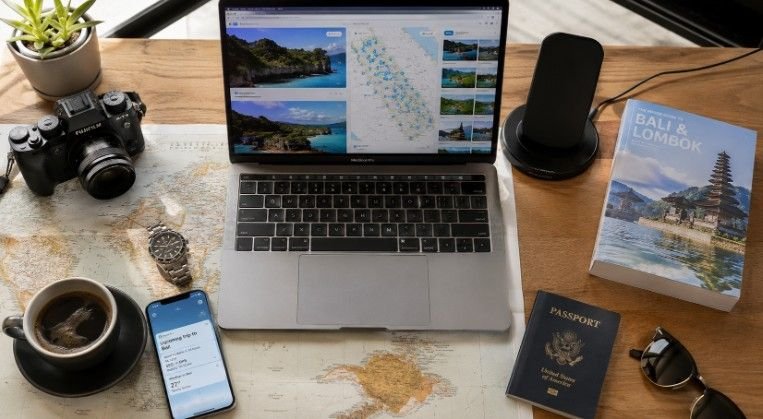
Start by checking whether your liquids will travel in carry-on luggage or checked baggage. Gather all carry-on liquids and ensure every container is 3.4 ounces or smaller. Place them inside one clear quart-sized bag that closes completely.
Next, separate medications, baby formula, or breast milk if applicable. Keep these items easily accessible so they can be declared during screening and to avoid overpacking. Place larger toiletries and beverages inside checked baggage if you need quantities beyond carry-on limits.
Before leaving for the airport, double-check your packing list and confirm that all containers are securely closed. This simple routine minimizes leaks, speeds up security screening, and helps ensure a smoother travel experience from departure to arrival.
Frequently Asked Questions
1. Does toothpaste count as a liquid when traveling with liquids on plane?
Yes. Airport security typically classifies toothpaste as a gel or liquid. It must comply with carry-on liquid restrictions and fit within approved container size limits.
2. What is the age limit for senior citizens to fly?
There is generally no maximum age limit for flying. Most airlines allow healthy seniors to travel freely, although medical clearance may sometimes be requested for specific health conditions.
3. Does TSA still require liquids in Ziploc?
Yes. Carry-on liquids must fit inside one clear quart-sized plastic bag. A resealable Ziploc-style bag remains one of the easiest and most widely accepted options.
4. Do pills have to be in original bottles when flying?
No. Pills usually do not need to remain in original containers. However, keeping medications properly labeled can help avoid confusion during security checks and international travel.
Pack Smart And Enjoy Traveling With Liquids On Plane
Traveling with liquids on plane becomes much easier once the rules are understood. By following carry-on requirements, packing larger products in checked baggage, preparing for health needs, and organizing essentials properly, travelers can avoid common airport frustrations. A little planning goes a long way toward creating a smoother, faster, and far more enjoyable travel experience from check-in to arrival.




Leave a Reply