
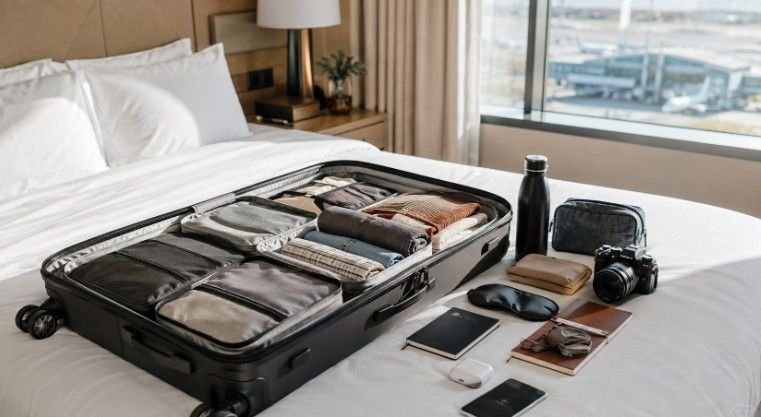
Suitcases have a funny way of growing before every vacation. A simple weekend getaway somehow turns into packing enough clothes for two weeks. After making the same mistake on several trips, discovering how to avoid overpacking for trips became one of the most valuable travel lessons.
Carrying less not only makes travel easier but also saves money, reduces stress, and creates more freedom to enjoy the journey.
Key Takeaways
- Planning outfits before packing prevents unnecessary luggage.
- A capsule wardrobe creates more outfit options with fewer clothes.
- Limiting shoes instantly frees up valuable suitcase space.
- Travel-size essentials reduce weight and improve organization.
- Reviewing unused items after each trip helps improve future packing habits.
This Travel Skill Really Matters
Learning how to avoid overpacking for trips can feel like gaining a travel superpower.
Nothing slows down a trip faster than dragging a heavy suitcase through airports, train stations, cobbled streets, or crowded hotel lobbies. Extra luggage often means extra fees, longer waiting times, and more stress.
The funny part is that many travelers return home only to discover they never wore half the clothes they packed. Packing lighter creates flexibility, improves mobility, and leaves more room for memorable experiences instead of unnecessary belongings.
Understanding Why We Overpack
Recognizing the cause is the first step toward packing smarter.
The Fear Of Being Unprepared
Many travelers pack for situations that may never happen. The thought of needing a specific item often leads to filling luggage with backup options that remain untouched throughout the trip.
Travel confidence grows when packing decisions are based on actual plans instead of unlikely scenarios. Focusing on realistic needs helps eliminate unnecessary extras.
The “Just In Case” Habit
The biggest suitcase space thief is often the phrase “just in case.” Extra outfits, duplicate toiletries, and spare accessories quickly add weight without adding value.
Most destinations offer access to basic necessities if something unexpected happens. Trusting this fact can significantly reduce overpacking tendencies.
Create A Packing Plan First
Good packing starts long before the suitcase opens.
Know Your Itinerary
Reviewing daily activities helps determine what is genuinely required. A beach holiday, city break, business trip, and adventure vacation all have different packing priorities.
Matching luggage to planned experiences prevents random items from finding their way into the suitcase.
Check The Weather Properly
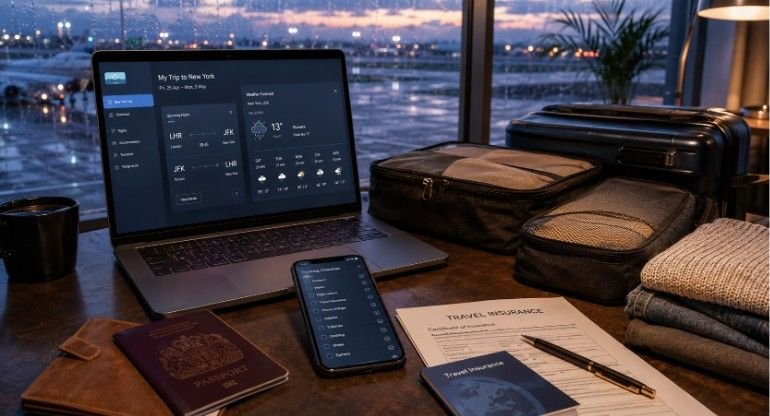
Guessing weather conditions often leads to overpacking. Reviewing forecasts a few days before departure helps travelers bring suitable clothing without carrying unnecessary layers. Lightweight layers usually provide greater flexibility than multiple bulky items.
Make A Simple Packing List
Writing a travel packing list creates structure and reduces impulsive packing. It also minimizes the risk of forgetting important travel essentials like medications, documents, chargers, and travel insurance information.
The 6-Step Anti-Overpacking Strategy
This practical approach makes how to avoid overpacking for trips much easier.
1. Ditch The What-If Items
Only pack for situations you know you will actually encounter. Items packed for unlikely scenarios usually stay untouched throughout the trip. If something unexpected comes up, basic necessities can often be purchased at the destination.
2. Build A Capsule Wardrobe
Choose clothing in neutral colors that can be mixed and matched effortlessly. A capsule wardrobe creates multiple outfit combinations from a small number of pieces, helping reduce luggage without sacrificing style or comfort especially for stress-free travel with a toddler.
3. Follow The 3-3-3 Method
Pack three tops, three bottoms, and three pairs of shoes that work together. This simple formula encourages intentional packing and provides enough outfit variety for most short to medium-length trips.
4. Limit Your Shoes
Shoes take up more space than almost anything else in a suitcase. Aim for one comfortable walking pair and one or two versatile options depending on your itinerary. This instantly frees up valuable room.
5. Wear The Bulkiest Items
Heavy jackets, sweaters, and boots should be worn during travel instead of packed. This strategy creates extra luggage space while keeping essential cold-weather items available when needed.
6. Downsize Toiletries And Use Packing Cubes
Replace full-size products with travel-sized containers and organize belongings using packing cubes. Smaller toiletries reduce weight, while packing cubes create natural limits that discourage overpacking and keep everything organized.
Make Every Item Earn Its Space
The best packing decisions happen before items enter the suitcase.
Limit Your Shoes
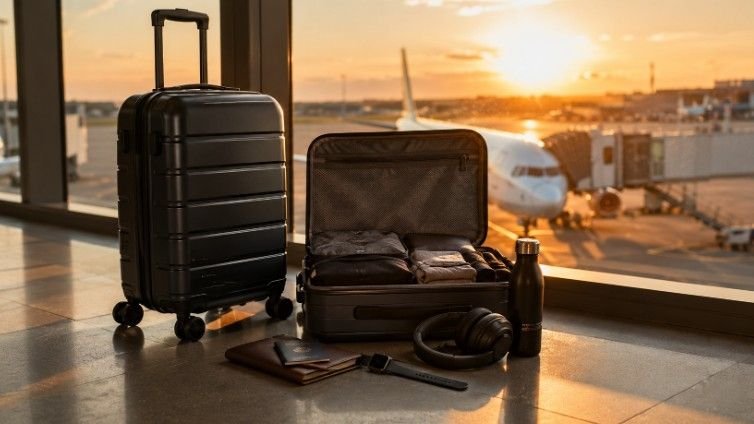
Shoes are usually the heaviest and bulkiest belongings travelers carry. Most trips can be comfortably managed with one walking pair and one additional pair suited to planned activities.
Reducing even a single pair of shoes often creates enough space for several other essentials.
Wear The Bulkiest Pieces
Heavy jackets, boots, and thick sweaters consume valuable luggage space. Wearing them during transit keeps suitcases lighter and creates additional packing room.
Airports and airplanes are often cool environments, making this strategy practical as well as efficient.
Choose Multi-Purpose Clothing
Versatile clothing works harder during travel. A lightweight jacket, neutral trousers, or simple dress can adapt to multiple occasions without requiring additional outfits. The fewer single-purpose items packed, the easier travel becomes.
Pack Travel Essentials The Smart Way
Packing lighter should never mean sacrificing comfort or health.
Downsize Toiletries
Full-size bottles take up unnecessary space and add extra weight. Travel-size containers or refillable bottles provide everything needed without cluttering luggage.
Many accommodations also provide basic toiletries, reducing the need to carry large quantities.
Prioritize Health Basics
A small travel health kit is often more valuable than extra clothing. Essential medications, pain relievers, motion sickness remedies, and basic first-aid supplies deserve priority space.
Being prepared for minor health issues contributes to a more enjoyable and stress-free trip.
Keep Important Documents Handy
Passports, travel insurance details, emergency contacts, reservations, and identification documents should remain easily accessible rather than buried inside luggage. Quick access saves time and reduces travel-related stress.
Let Packing Tools Do The Work
The right tools can prevent overpacking before it begins.
Use Packing Cubes
Packing cubes provide structure and organization while creating natural packing limits. Once a cube is full, it becomes easier to resist adding unnecessary items. They also simplify unpacking and locating belongings at the destination.
Organize By Category
Grouping clothing, electronics, toiletries, and travel documents creates better visibility. Travelers are less likely to pack duplicates when they can clearly see what they already have. Organization often reveals how little is actually needed.
Leave Space For The Return Journey
Souvenirs, gifts, and unexpected purchases frequently appear during trips. Leaving some empty space prevents the need for an additional bag on the journey home.
Learn From Every Trip
Experienced travelers continuously improve their packing habits.
Review What You Used
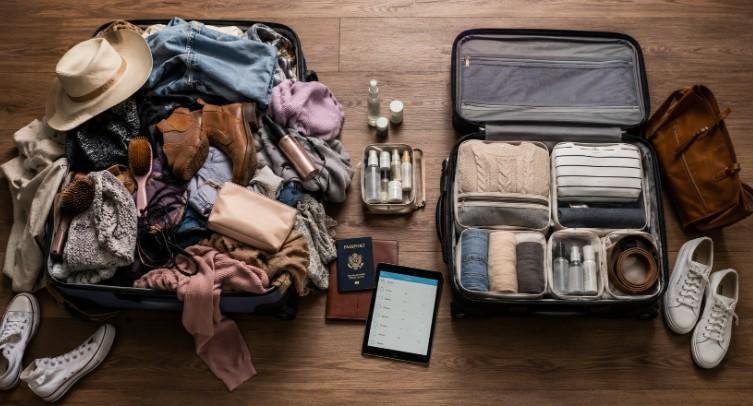
After returning home, separate items that were used from those that remained untouched. This simple exercise reveals which belongings genuinely deserve suitcase space. Patterns become obvious after only a few trips.
Identify Recurring Mistakes
Many travelers repeatedly pack the same unnecessary items. Recognizing these habits helps prevent future overpacking. The goal is not perfection but continuous improvement.
Refine Your Personal Packing System
Every trip provides valuable lessons. Over time, travelers develop personalized packing systems that match their destinations, travel style, and comfort preferences. Consistency leads to lighter, smarter travel.
How To Avoid Overpacking For Trips In Real Life
Applying how to avoid overpacking for trips becomes easier with practice. Start by planning activities, selecting clothing essentials, limiting shoes, downsizing toiletries, and avoiding “what-if” items. Focus on essentials rather than possibilities.
Each trip becomes an opportunity to refine your approach, reduce luggage weight, and enjoy a more comfortable travel experience. The result is less stress, greater mobility, and more energy to focus on the destination instead of the suitcase.
Frequently Asked Questions
1. What is the 3-3-3 rule for packing for a trip?
The 3-3-3 rule suggests packing three tops, three bottoms, and three pairs of shoes that can be mixed and matched easily. This method reduces overpacking while still providing plenty of outfit combinations for most trips.
2. What is the 5 4 3 2 1 travel packing rule?
The 5-4-3-2-1 packing rule recommends bringing five tops, four bottoms, three pairs of shoes, two layering pieces or dresses, and one accessory set. It creates structure and prevents unnecessary packing decisions.
3. What is the 3 5 7 rule for packing?
The 3-5-7 rule focuses on carrying three tops, five accessories, and seven undergarments. It encourages efficient packing while ensuring travelers have enough essentials for a comfortable trip.
4. What is overpacking a symptom of?
Overpacking is often associated with anxiety, uncertainty, fear of being unprepared, or perfectionist tendencies. Many travelers pack extra items for situations they are unlikely to encounter during the trip.
Pack Less, Explore Without Overpacking For Trips
Mastering how to avoid overpacking for trips is one of the simplest ways to improve any travel experience. By planning ahead, building a capsule wardrobe, eliminating unnecessary items, and learning from previous trips, travelers can enjoy lighter luggage and smoother journeys.
Less baggage means fewer travel hassles, easier movement, lower costs, and more freedom to focus on creating unforgettable memories wherever the adventure leads.




Leave a Reply