
Apartment noise can make it hard to sleep, work, relax, or feel comfortable at home. The best soundproofing ideas for apartments are not about tearing open walls or making permanent upgrades. They are about using temporary, non-destructive fixes that reduce talking, TVs, footsteps, hallway noise, traffic, and echo while protecting your security deposit.
I always start with the weakest spots: doors, windows, shared walls, hard floors, outlet boxes, and empty rooms. Once you know where sound enters, you can choose a smarter fix.
How Do I Know What Type of Apartment Noise I Have?
Airborne noise includes voices, music, barking dogs, TVs, traffic, and hallway conversations. It often slips through gaps, cracks, doors, windows, and thin walls.
Impact noise comes from vibration, such as upstairs footsteps, dropped items, moving chairs, or kids running across hard floors. It travels through the building structure, so it is harder to stop. A curtain may help street noise, but it will not stop heavy footsteps above you. A rug may soften floor noise, but it will not fully block a loud TV through a shared wall.
What Should I Soundproof First in an Apartment?

How Do I Stop Noise From Doors and Windows?
Doors and windows usually leak more sound than renters expect. If you hear hallway conversations or people walking past your unit, start with your entry door. Install removable weatherstripping around the door frame to seal small gaps. Then add a door sweep at the bottom to block sound under the entryway.
For windows, use heavy blackout curtains, thermal-insulated drapes, or energy efficient window coverings. Thin decorative curtains may look nice, but dense, floor-length curtains work better because they add weight over the glass and soften sharp street sounds. If your lease allows it, removable window inserts can also create an extra barrier.
Can Outlet Gaps Make Shared Walls Louder?
Yes, shared walls often have electrical outlets, and those openings can let sound pass through. Use removable foam gaskets behind outlet covers on shared walls when voices or TV noise seem to come from one specific area. Always use safe materials, avoid stuffing outlets, and ask maintenance if you are unsure.
You can also check window frames, baseboards, and door trim. If air can move through a gap, sound can often move through it too. Stick with removable seals.
How Can I Dampen Thin Apartment Walls?
Do Acoustic Panels Work in Rentals?
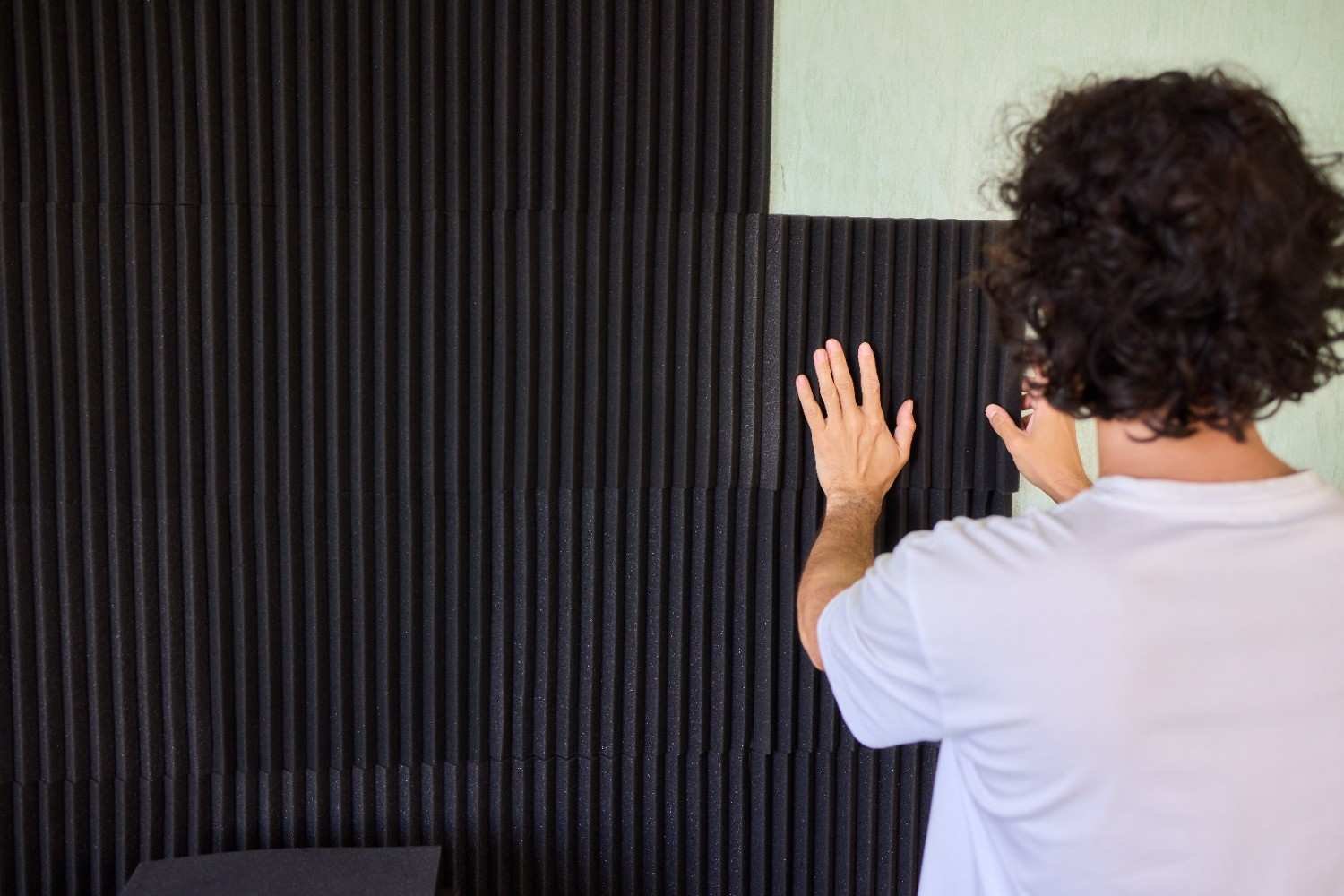
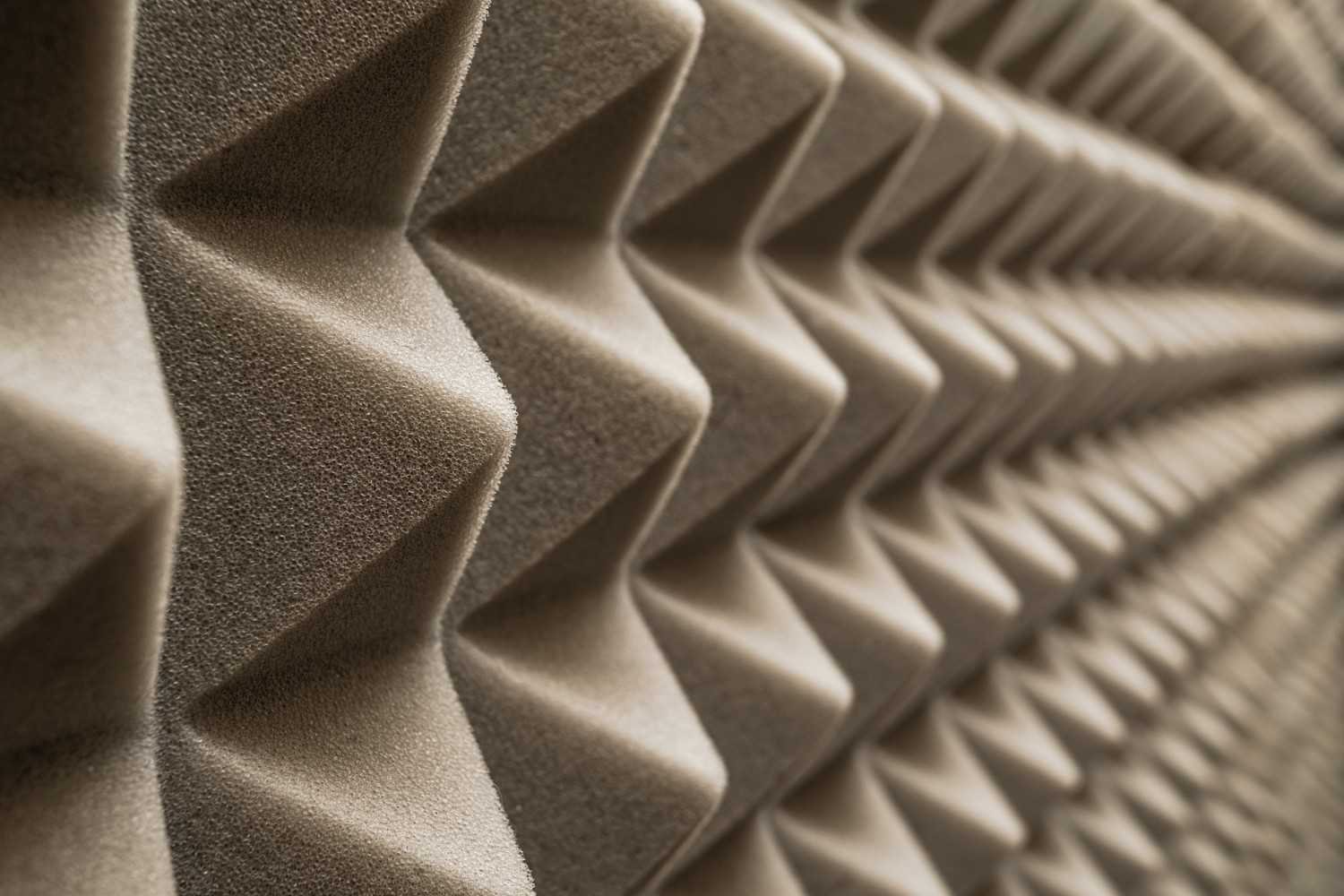
Acoustic panels help reduce echo and soften noise inside your room. They are useful in bedrooms, home offices, gaming rooms, and living rooms with hard surfaces. Choose lightweight panels and mount them with removable adhesive strips so you do not damage paint.
Be realistic, though. Acoustic foam and panels absorb sound, but they do not fully block loud neighbors. They work best when combined with sealed gaps, heavier furniture, and soft decor.
What Can I Put Against a Shared Wall?
A tall, fully loaded bookcase can make a shared wall feel less exposed. Books, storage cubes, and dense decor add mass, which can reduce some sound transfer. You can also use a wardrobe, media console, padded headboard, wall panel, or large fabric-covered furniture.
Heavy tapestries, quilted wall hangings, thick canvas art, and fabric panels can absorb mid-frequency sounds and reduce echo. Use renter-safe hooks or removable hanging strips so the setup stays deposit-friendly.
How Do I Reduce Footsteps and Floor Noise?
Hardwood, tile, vinyl, and laminate floors make apartment noise worse because they reflect sound and make footsteps sharper. Thick rugs are one of the easiest renter-friendly upgrades. Place them in high-traffic areas, bedrooms, hallways, and living spaces.
For better results, use rug pads underneath. Felt pads and memory foam rug pads add cushioning and help absorb impact. Furniture placement also matters. Move heavy couches, beds, storage benches, or upholstered chairs over areas where sound bounces or foot traffic is constant.
How Can I Mask Noise I Cannot Fully Block?
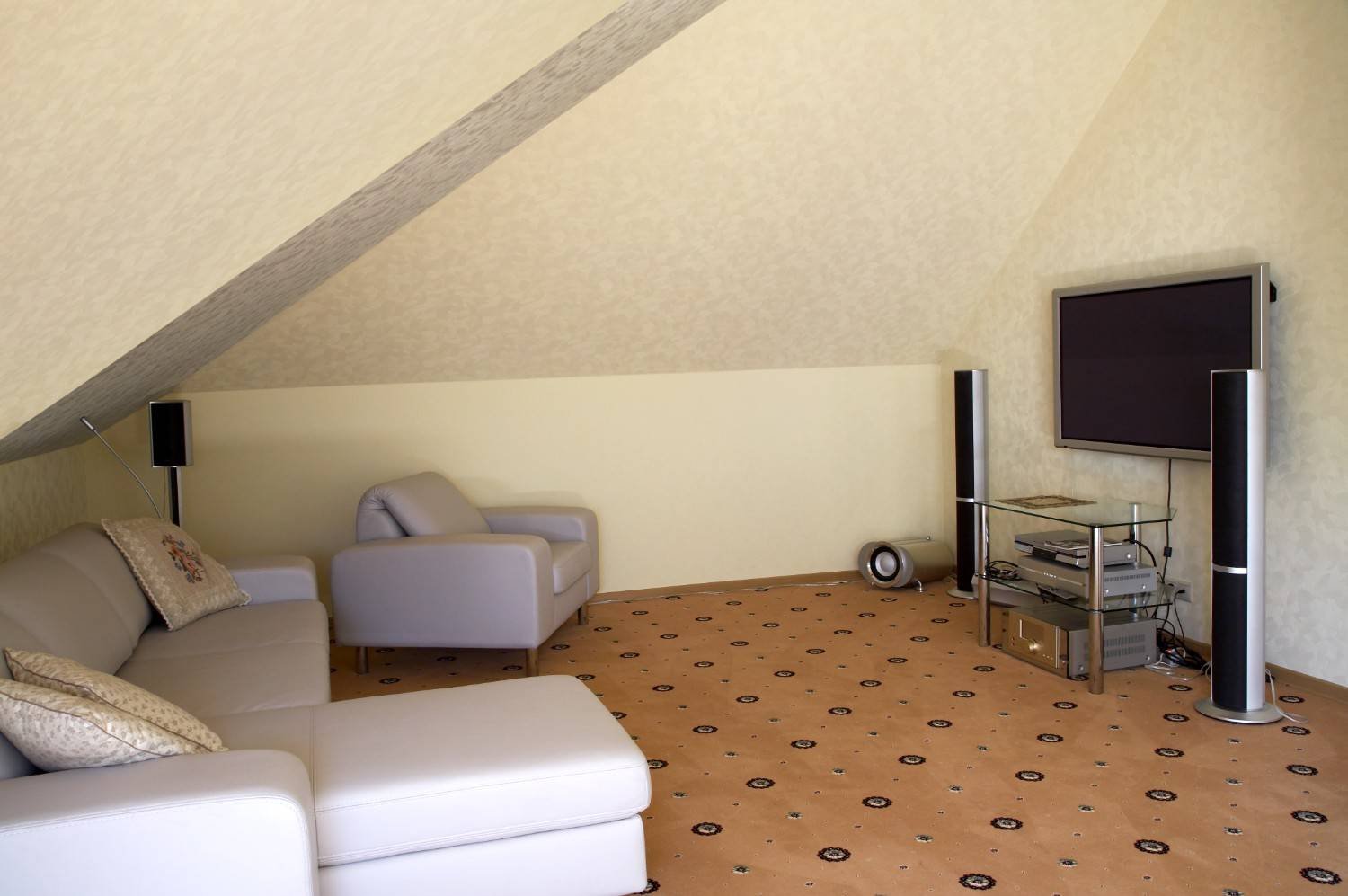
Some noise cannot be removed completely, especially in older US apartment buildings or busy city rentals. A white noise machine, fan, or air purifier can cover sudden sounds and make them less distracting.
Place the machine near the noise source when possible. If hallway noise comes through the bedroom door, keep it near that side of the room. If traffic comes through the window, place it near the window or bedside.
What Should Renters Avoid When Soundproofing?
Avoid permanent changes unless you have written approval from your landlord or property manager. Do not drill into walls, replace doors, remove windows, install drywall, glue foam directly to paint, or block vents, smoke detectors, sprinklers, or electrical panels.
Also, do not expect thin curtains, tiny rugs, or cheap foam panels to create silence. These items may reduce echo, but serious noise needs a layered approach. If the noise comes from lease violations, late-night parties, barking dogs, broken windows, or large door gaps, document the dates and ask your landlord for help.
Frequently Asked Questions (FAQs)
1. What is the cheapest way to make an apartment quieter?
Seal door gaps, add thick rugs, use rug pads, hang heavy curtains, and place soft furniture near noisy areas.
2. Do acoustic panels block neighbor noise?
Acoustic panels mostly reduce echo, but they do not fully block loud voices, TVs, or footsteps.
3. Can I soundproof a rental without losing my deposit?
Yes. Use removable weatherstripping, door sweeps, rug pads, heavy curtains, bookcases, fabric wall art, outlet foam gaskets, and white noise machines.
4. What helps most with upstairs footsteps?
Thick rugs, memory foam rug pads, soft furniture, and white noise can help, but true impact noise often requires building-level fixes.
Final Thoughts
These soundproofing ideas for apartments work best when you layer them. Start by sealing doors and windows, then soften floors, add density to shared walls, cover echo with fabric, and mask the noise you cannot fully block.
If you are also refreshing the space, clean air paint for homes can help improve the room’s overall comfort while you make it quieter. You may not create a silent rental, but you can make your space calmer without risking your security deposit.




Leave a Reply