

If your calendar looks full but your life feels flat, that is not laziness. It is usually a design problem. Learning how to build a lifestyle you love starts with one honest question: does your daily routine match what you say matters?
I learned this the hard way. I once tried to fix my life by adding more goals, more routines, and more “productive” habits. It only made me tired. The better answer was not more discipline. It was subtraction, alignment, and tiny rituals I could repeat on an ordinary Tuesday.
Start With a Lifestyle Audit Before Setting Goals
Most people skip the audit and rush into a new morning routine. That is like redecorating a house before checking the foundation.
Rate the Four Areas That Shape Daily Life
I use four simple categories: health, money, relationships, and leisure. Give each one a score from 1 to 10. Do not overthink it. A 10 means that area supports your life. A 1 means it drains you.
Then write one sentence explaining each score. “My health is a 5 because I sleep late and rely on coffee.” “My relationships are an 8 because I feel supported most weeks.” This turns vague dissatisfaction into useful information.
Try the Tuesday Test
Your dream lifestyle should not only look good on vacation. It should work on a normal Tuesday.
Write down your current Tuesday from wake-up to bedtime. Then mark each activity as energizing, neutral, or draining. My original finding was uncomfortable: my biggest energy leak was not work. It was the messy hour between dinner and sleep, when I scrolled, delayed chores, and went to bed annoyed.
That one hour became my first redesign target.
Define Your Non-Negotiable Values

A lifestyle you love must fit your values, not someone else’s highlight reel. This is where many people get stuck. They chase luxury, busyness, or approval because those things look like success online.
Choose Three to Five Real Priorities
Pick values you can actually schedule. Time freedom, creativity, deep family connection, financial security, faith, learning, health, and peace are all possible non-negotiables.
The test is simple. If a value never appears in your week, it is a wish, not a lifestyle priority.
For example, if creativity matters, protect two hours for it. If health matters, plan sleep before planning workouts. If family matters, stop giving your best mood to strangers and your leftovers to the people at home.
Redefine Success in Plain English
My favorite question is, “What would make this life feel successful even if nobody clapped?”
Your answer may be quieter than expected. It might be debt freedom, slow mornings, a flexible job, stronger friendships, or a peaceful home. That is the point. A lifestyle you love does not need to impress everyone. It needs to support you.
Remove What Keeps You on Autopilot

Addition feels exciting, but subtraction creates space. You cannot build an intentional lifestyle inside an overloaded schedule.
Practice the Strategic No
Before saying yes, ask, “What will this replace?” Every yes spends time, focus, money, or emotional energy.
A strategic no does not have to sound harsh. Try, “I can’t commit to that this month,” or “That does not fit my current priorities.” You are not rejecting people. You are protecting the life you are building.
Cut the Performance Habit
Some hobbies become another stage. You cook for photos, read for tracking apps, and travel for proof. That can drain the joy from activities that once felt alive.
Choose one thing each week that has no audience. Take a walk without posting it. Make a meal without styling it. Journal without turning it into content. This is also where the internal habit of how to romanticize your life can help, because ordinary moments become easier to notice.
Build Micro-Rituals That Fit Real Life

Big lifestyle changes usually fail when they demand a personality transplant. Micro-rituals work because they are small enough to repeat on tired days.
Create a Screen-Free Opening
Start with 10 minutes. Drink water, stretch, sit with coffee, pray, write one line, or step outside. The point is not aesthetic perfection. The point is to begin the day with ownership before your phone assigns your mood.
When I tested this, my best version was boring: water, sunlight, and three lines in a notebook. It worked because I could do it before excuses arrived.
Protect Sleep Like a Lifestyle Asset
Sleep is not a reward for finishing everything. It is the fuel for building anything. The CDC recommends at least seven hours for most adults, and it also recommends consistent bedtimes, cooler rooms, and reducing screens before bed.
If your dream life requires energy, your bedtime belongs in the plan. Start by moving sleep 15 minutes earlier for one week. Small changes feel less dramatic, so they are easier to keep.
Use Pragmatic Gratitude
Gratitude should not force fake positivity. I use pragmatic gratitude: three specific things that made the day lighter.
Write, “The kitchen was clean when I woke up,” “My friend checked in,” or “The walk cleared my head.” Research on gratitude practices links them with better life satisfaction and mental well-being. In daily life, the benefit is simpler: you train your brain to notice what is already working.
Treat Your Lifestyle Like an Experiment
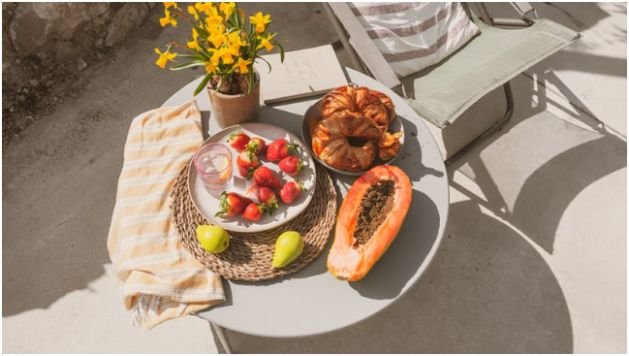
The fastest way to stay stuck is to wait for perfect clarity. You learn what fits by testing it.
Pick One Category for Seven Days
Choose one area from your audit. Do not overhaul everything. If health scored lowest, test a 20-minute walk after lunch. If relationships scored low, send one meaningful text each day. If leisure scored low, schedule one nonproductive hour.
After seven days, ask three questions. Did this make life better? Was it realistic? What should I adjust?
Use the Odyssey Plan Method
Stanford’s Life Design approach uses Odyssey Plans to explore multiple future paths instead of forcing one perfect answer. I like a simple version: write three possible lives for the next three years.
One could be your current path improved. One could be a bold alternative. One could be a low-pressure creative path. Then prototype one piece of the most exciting option through a class, conversation, side project, or weekend test.
This removes pressure. You are not marrying a future. You are taking it for coffee.
Make Your Environment Do Some Work
Willpower is unreliable when your space fights you. Design your environment so good choices are easier.
Put walking shoes by the door. Keep a book near the couch. Charge your phone outside the bedroom. Prep breakfast before bed. Leave your journal open on your desk.
None of these moves are magical. They reduce friction. A lifestyle you love should not require heroic effort every day.
FAQs
1. How do I start building a better lifestyle?
Start with a life audit, choose one weak area, and change one small daily action for seven days.
2. How long does it take to build new lifestyle habits?
Habit research suggests automaticity can take weeks or months, so repeat small habits long enough to become normal.
3. Can I build a lifestyle I love without changing jobs?
Yes. Start with sleep, boundaries, relationships, home routines, and leisure before making major career changes.
4. What is the biggest mistake when learning how to build a lifestyle you love?
The biggest mistake is copying someone else’s routine instead of designing around your own values.
Your Life Called. It Wants Better Management.
You do not need a perfect apartment, dream job, or dramatic reinvention to begin. You need one honest audit, one protected value, and one small ritual you can repeat when life feels ordinary.
I would start tonight. Choose the hour that drains you most, redesign it, and protect it for one week. Tiny edits become a lifestyle when you stop abandoning them for someone else’s version of success.





Leave a Reply