
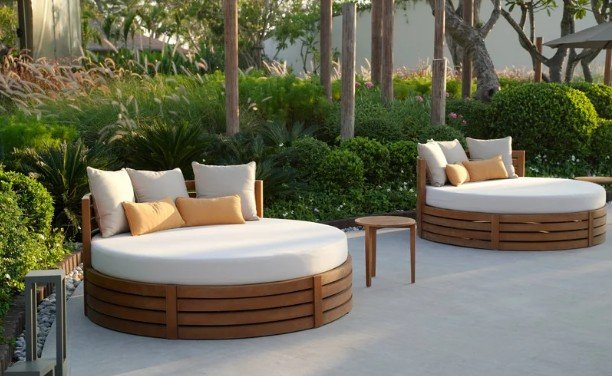
A patio that feels pleasant in the morning may be too hot for dinner. Before choosing furniture or a paving material, watch how sun, shade, and wind move across the yard. Matching the seating area to the hours you expect to use it can make the space more comfortable throughout the year.
That is why the best outdoor spaces start with exposure analysis. Cottonwood Landscapes approaches seating areas as part of the larger landscape system, not as isolated features. When the placement is right, the space feels cooler, more comfortable, and more intentional. When it is wrong, even expensive materials and beautiful furniture can feel awkward or underused.
Why Exposure Matters More Than Most People Expect
A seating area can look ideal on paper and still fail in daily use. The most common mistake is assuming that “more sun” or “more shade” is a simple preference issue. It is not. Exposure changes by season, time of day, elevation, and the surrounding site. In Utah, the same patio can be pleasant in spring, punishing in midsummer, and chilly by evening once temperatures drop.
Direct sun affects more than comfort. It also changes how stone, concrete, decking, and metal surfaces behave. A south-facing hardscape may hold heat long after the sun moves, while a shaded zone may stay usable longer because it avoids surface overheating. Cottonwood Landscapes treats these conditions as design inputs, not inconveniences, because they influence how a space performs over years of use.
A good seating area should serve a real pattern of living. Morning coffee, family dinners, quiet reading, entertaining, and fire-side gathering all require different conditions. Effective landscaping in Utah accounts for those differences from the start instead of trying to fix them after construction.
Reading Sun, Shade, and Microclimates Before You Build
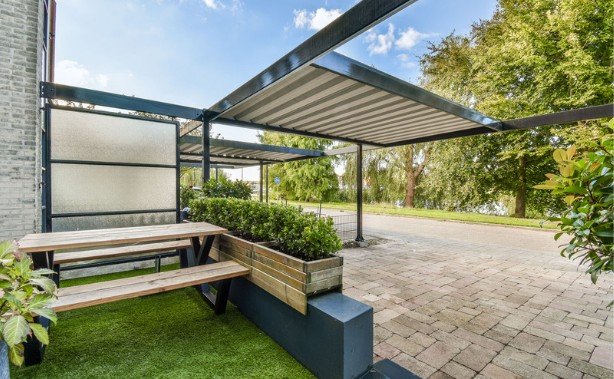
A property is never uniformly exposed. Even a small change in grade, wall height, tree cover, or building placement can create a distinct microclimate. The smartest outdoor living plans begin by identifying where the site is naturally protected and where it is overexposed.
Start With the Daily Sun Path
The sun does not hit every part of a yard equally. Morning shade may disappear by midafternoon. A west-facing patio may feel pleasant early and become harsh later. A north-side sitting area may stay cooler but lose warmth and brightness. Cottonwood Landscapes uses this kind of pattern recognition to decide whether a space should be oriented for all-day use, evening use, or seasonal flexibility.
That planning matters because outdoor seating is rarely static. If a patio is meant for dining, conversation, and kids moving in and out of the house, it needs a different exposure strategy than a quiet reading nook or a poolside lounge. Orientation shapes the whole experience.
Account for Reflected Heat and Nearby Surfaces
Shade is not only about blocking direct sun. Hard surfaces around a seating area can bounce heat back toward the people using it. Light-colored paving, retaining walls, glass, and nearby structures can amplify warmth in ways that are easy to overlook during the design phase.
This is where Cottonwood Landscapes adds value through experience. A seating area may need a pergola, a patio cover, or a strategic change in material placement to reduce heat gain. In some cases, the best answer is not adding more structure everywhere. It is locating shade where people actually sit and leave the rest of the area open for light, circulation, or view.
Choosing the Right Kind of Shade for the Way You Live
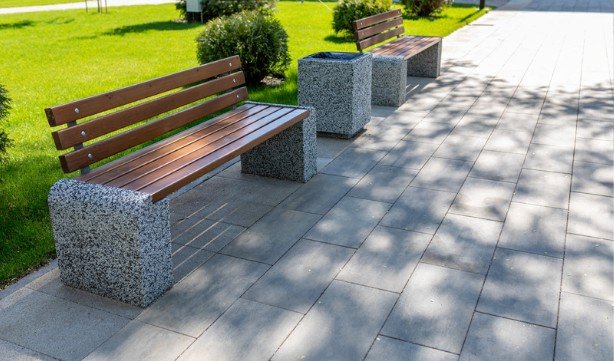
Not all shade solves the same problem. A fixed cover, a louvered pergola, and a timber pergola all create different experiences. The right choice depends on how you intend to use the space and how much control you want over sun, airflow, and openness.
Cottonwood Landscapes often helps clients think in terms of use cases rather than products. Just as questioning lifestyle myths people still believe can lead to more thoughtful choices, rethinking assumptions about outdoor spaces can improve their design. The structure should support the activity, not dictate it.
Useful distinctions include:
- Louvered pergolas work well when you want adjustable control over light and shade across the day.
- Timber pergolas create a more architectural, natural look and can soften an open patio without enclosing it.
- Patio covers provide stronger, more consistent overhead protection when year-round shelter is a priority.
- Arbors and gazebos can define a destination seating area and add enclosure without making the space feel heavy.
- Pool houses or adjacent structures can anchor a broader outdoor living zone where seating, storage, and shade need to work together.
The most effective shade design usually combines structure with placement. A pergola may solve midday glare, but if the seating is still positioned where afternoon wind funnels through the yard, comfort remains limited. Good design addresses both.
How Seating Walls and Hardscape Placement Improve Comfort
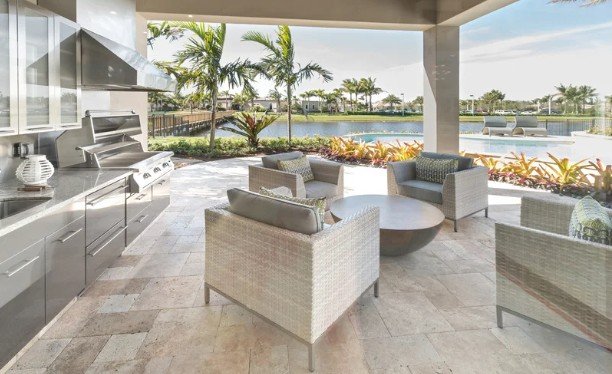
A well-planned seating area is more than a shaded rectangle. The shape of the hardscape, the height of built-in seating walls, and the relationship between fire features and circulation all affect whether the area feels inviting or exposed. Cottonwood Landscapes often integrates these elements so the space works as a whole rather than as disconnected parts.
Built-In Seating Changes How the Space Gets Used
Seating walls are especially useful when the goal is to make an outdoor area feel settled and complete. They define edges, create extra seating without crowding the center, and help anchor social zones around a fire pit or gathering point. They also reduce the need for movable furniture that can clutter the layout or drift into awkward positions.
When placed well, seating walls can also act as subtle wind buffers. They do not replace true shelter, but they can make a difference in how exposed the space feels on breezy evenings. That is often the difference between a patio that feels temporary and one that feels designed.
Material Choice Should Match the Climate, Not Just the Style
In Utah, materials need to perform through freeze-thaw cycles and changing temperatures. That is not a minor technical detail. It affects durability, appearance, and long-term use. Cottonwood Landscapes builds seating areas and hardscaping with those conditions in mind, which is especially important for patios that will see both strong sun and cold weather.
This is where quality design separates itself from a decorative install. A space that looks good in June but performs poorly through winter is not a strong investment. The goal is to choose systems and placements that remain stable and comfortable as the seasons change.
What Strong Outdoor Seating Plans Do Differently
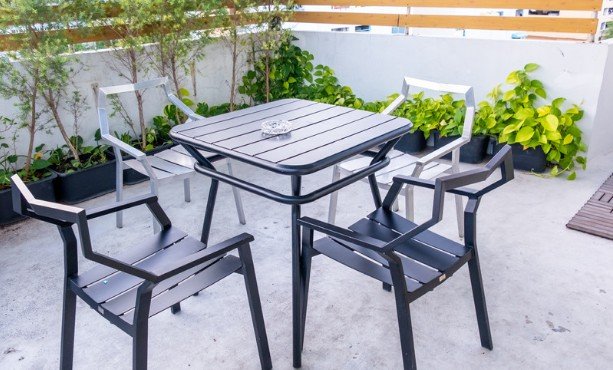
The best outdoor seating areas are not simply shaded. They are coordinated. They balance comfort, movement, view, and weather response without making the yard feel overbuilt. That level of planning is especially important in Utah, where altitude, sun intensity, and mountain weather all shape the final result.
Cottonwood Landscapes takes a design-build approach that allows those variables to be addressed in one process, from excavation and retaining walls to final structures and lighting. That matters because exposure decisions do not exist in isolation. A change in grade can improve drainage, which can change patio location, which can affect where shade should land.
Strong operators usually think in this order:
- Start with the site’s limitations.
Determine where sun, slope, drainage, and wind already define the usable zones. - Match the seating type to the exposure.
Dining, lounging, and fire-side gathering each need different levels of shade and openness. - Use structure to improve comfort, not just appearance.
A pergola, patio cover, or seating wall should solve a real use problem. - Preserve the view and the natural flow of the yard.
Good shade should frame the space, not close it off unnecessarily. - Plan for seasonal use.
A space that works from spring through fall, and not just on the best day of the year, is a better investment.
That sequence is what makes a project feel considered instead of improvised. It is also what separates a custom outdoor living environment from a generic patio with furniture placed around it.
The Long-Term Value of Designing for Shade First
The smartest outdoor seating areas are usually the ones that feel effortless after they are built. Guests do not think about the engineering, the sun studies, or the material transitions. They just know the space is comfortable. That ease is the product of good site reading and disciplined design.
For homeowners evaluating outdoor improvements, the real question is not whether a patio can be built. It is whether the patio will actually be used. In many cases, the answer depends less on square footage than on exposure control. A smaller, better-placed space often outperforms a larger one in the wrong location.
Cottonwood Landscapes brings that perspective to projects across the Wasatch Front, where comfort, durability, and visual quality all have to work together. If you are planning a seating area, start by studying the shade, the sun, and the way people will really live in the space. Then build the design around those facts, not around assumptions.





Leave a Reply