
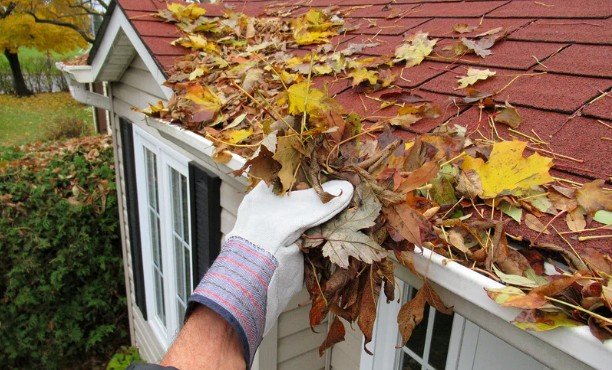
A gutter that overflows can wet the fascia. Poor flashing at a siding transition can let runoff behind the wall. Roof edges, siding, and gutters need to move water away together, so a recurring exterior problem is worth tracing through the surrounding components.
That is why the smartest approach to exterior maintenance is not to ask, “Do I need a roofer, a siding crew, or a gutter contractor?” It is to ask, “Where is water getting in, where is it supposed to go, and which part of the exterior envelope is breaking the chain?” For property owners comparing options for exterior home repair in Utah, that distinction matters more than most cosmetic upgrades.
R1 Roofing works from that system-first perspective. Instead of isolating roof edges, siding transitions, and gutters into separate service calls, R1 Roofing evaluates how they function together as a water-shedding envelope. That is the right lens, because the most expensive exterior failures usually begin at the seams between materials, not in the center of the field.
Why the Weakest Transition Usually Causes the Biggest Damage
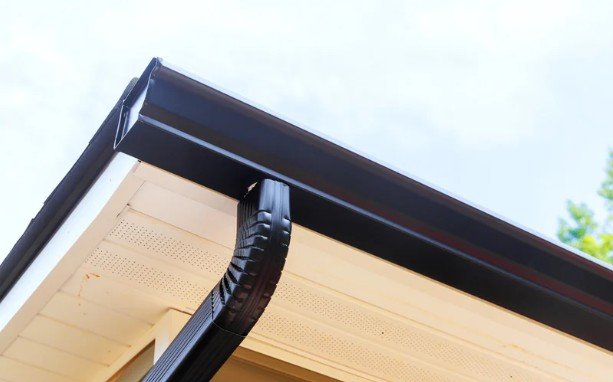
The roof surface gets most of the attention, but the trouble often starts at the boundaries. Roof edges, fascia, drip edges, starter lines, siding terminations, and gutter attachment points all concentrate water movement. If any one of those details is incomplete, loose, or poorly aligned, the result may not be immediate. Instead, the damage builds quietly.
A minor gap can let water enter behind siding. A gutter pitched incorrectly can overflow onto the fascia. A roof edge with weak flashing can send runoff where it was never meant to go. These are not isolated defects. They create a chain reaction that can lead to staining, soft wood, rot, interior leakage, or repeated repairs that never solve the root cause.
Roof Edges Do More Than Finish the Look
A roof edge is not just an architectural finish line. It helps control how water leaves the roof and how wind interacts with the edge of the system. In a climate like Utah’s, where heat, snow, and sudden weather changes can all stress materials, small edge failures can become structural maintenance issues faster than homeowners expect.
Good roof-edge work supports the transition from shingles to fascia and from roof plane to gutter. That is why roof edge details should be examined alongside the rest of the exterior, not after the fact as a separate repair.
Siding Transitions Are Common Leak Points
Siding is often assumed to be a shield, but it is really part of a managed drainage assembly. Where siding meets roofing, window trim, or flashing, the installation has to direct water outward and downward. If those transitions are weak, water can move behind the cladding and stay trapped there.
That is one reason R1 Roofing approaches siding transitions as part of the overall exterior repair picture. A repair that ignores the adjacent roof or gutter detail may look complete from the street while still leaving the building vulnerable behind the surface.
What Strong Exterior Repairs Look Like in Practice
The best exterior work does not just fix the visible symptom. It corrects the flow of water across the entire assembly. That means checking where runoff starts, how it travels, and where it exits the structure.
For R1 Roofing, that can mean assessing flashing and fascia together, tracing gutter discharge, and reviewing how siding meets the roofline. The goal is not to replace more material than necessary. The goal is to remove the conditions that allow water to linger, back up, or enter the structure.
A practical exterior repair plan usually includes:
- Inspecting roof edges for lifted, damaged, or missing transition details.
- Checking flashing where the roof meets walls, valleys, chimneys, or siding terminations.
- Confirming that gutters are properly attached and pitched for drainage.
- Looking for overflow marks, staining, or washout around the foundation.
- Verifying that downspouts move water far enough away from the home.
- Reviewing fascia, soffit, and trim for early rot or moisture exposure.
This kind of inspection is valuable because it identifies the sequence of failure, not just the most obvious visible defect. That difference can save time, reduce repeat work, and improve long-term performance.
Why Seamless Gutters Matter More Than Most Homeowners Think

Gutters are easy to overlook until they fail. Then they become impossible to ignore. Their job is not simply to catch water. They need to manage heavy runoff, keep it from spilling over roof edges, and route it away from the foundation in a controlled way. At ground level, choosing landscape rock for drainage paths can complement that system when paired with proper grading and a clear path for water to flow away from the home.
That is where seamless gutters earn their value. Fewer seams usually mean fewer opportunities for leaks, separation, and debris buildup at joints. That helps the whole exterior system function more predictably during storms or rapid snowmelt.
One System, Not Three Separate Fixes
If the roof edge is directing water properly but the gutter leaks at the seams, the system still fails. If the gutter is well made but the siding transition allows water behind the wall, the damage continues out of sight. If the siding is solid but flashing is misaligned, the structure may still absorb moisture.
R1 Roofing’s broader value is that it can address these connected components under one licensed team. That matters because one contractor can trace the problem across materials instead of only defending the part they installed. It also reduces the chance of one trade blaming another while the actual water path remains unresolved.
How Utah Conditions Raise the Stakes
Exterior systems in Utah have to handle more than one kind of stress. Heat can dry and warp materials. Snow can load edges and create meltwater cycles. Wind can push rain and debris into seams. Those conditions make clean transitions and dependable drainage more important, not less.
This is why a strategy built around exterior home repair in Utah should prioritize weather-tested assemblies rather than piecemeal fixes. A repair that looks fine in mild weather may perform very differently during snowmelt, monsoon winds, or repeated freeze-thaw changes.
R1 Roofing’s approach is suited to that reality because it focuses on the building envelope as a whole. When roof edges, siding transitions, and gutters are designed to work together, the home is better prepared for the kind of stress that reveals weak workmanship quickly.
What to Watch for Before a Small Issue Becomes a Major Repair
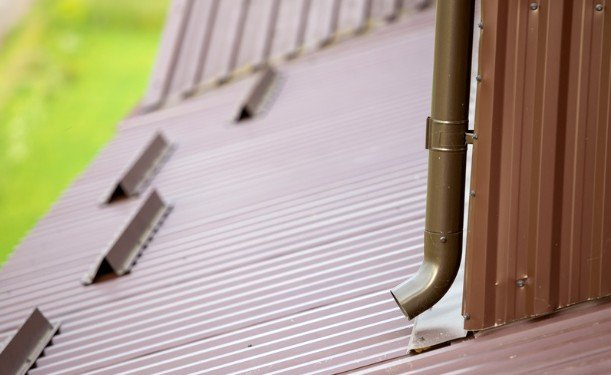
Homeowners do not need to become contractors to spot early warning signs. They only need to know where to look and what patterns matter. If a problem keeps returning after a “quick fix,” that is often a sign the repair was too narrow.
Watch for these signs:
- Staining beneath roof edges or along the fascia.
- Paint peeling near gutter lines or siding corners.
- Gutter overflow during moderate rain.
- Soft or swollen wood near transitions.
- Visible gaps where roof, siding, and trim meet.
- Debris or water marks that suggest flow is getting redirected.
These symptoms rarely exist alone. They usually point to a system that is misdirecting water somewhere upstream. That is why a complete inspection matters more than a cosmetic patch.
R1 Roofing can assess roofing, siding, and gutters during the inspection process. That helps homeowners get a clearer diagnosis instead of a temporary answer.
A Better Way to Think About Exterior Maintenance
The most useful shift a homeowner can make is to stop thinking in trade categories and start thinking in water paths. Where does water land? Where does it exit? Where can it be trapped? Which transition is doing the real work of protection?
Once you view the exterior as a connected envelope, the repair logic becomes clearer. Roof edges are not only about the roof. Siding transitions are not only about siding. Gutters are not only about drainage. They are all part of the same defense system, and they need to perform together.
That is the standard R1 Roofing applies across Utah and Northern Arizona. For property owners who want repairs that solve the cause rather than the symptom, that system-first approach is the most practical one. If your exterior is showing signs of wear at the edges, the right next step is a detailed inspection from R1 Roofing and a plan that treats the whole assembly as one coordinated system.




Leave a Reply