

Diabetes does not always begin with obvious warning signs. In many adults, it starts with small changes like feeling thirsty more often, waking up at night to urinate, feeling tired after enough sleep, or noticing blurry vision.
These symptoms may seem harmless at first, but they can become early signs of diabetes in adults when they happen together or continue over time. Getting a blood sugar test early can help you understand what is happening and take the right next step before symptoms become harder to manage.
Why Diabetes Symptoms Can Be Easy to Miss
Type 2 diabetes often develops slowly, so symptoms may feel mild for months or years. Many adults do not realize that frequent urination, constant thirst, fatigue, hunger, or recurring infections can all connect to high blood sugar. Type 1 diabetes can also appear in adults, but its symptoms usually come on faster and may feel more intense.
The Big Three Diabetes Signs Adults Should Know
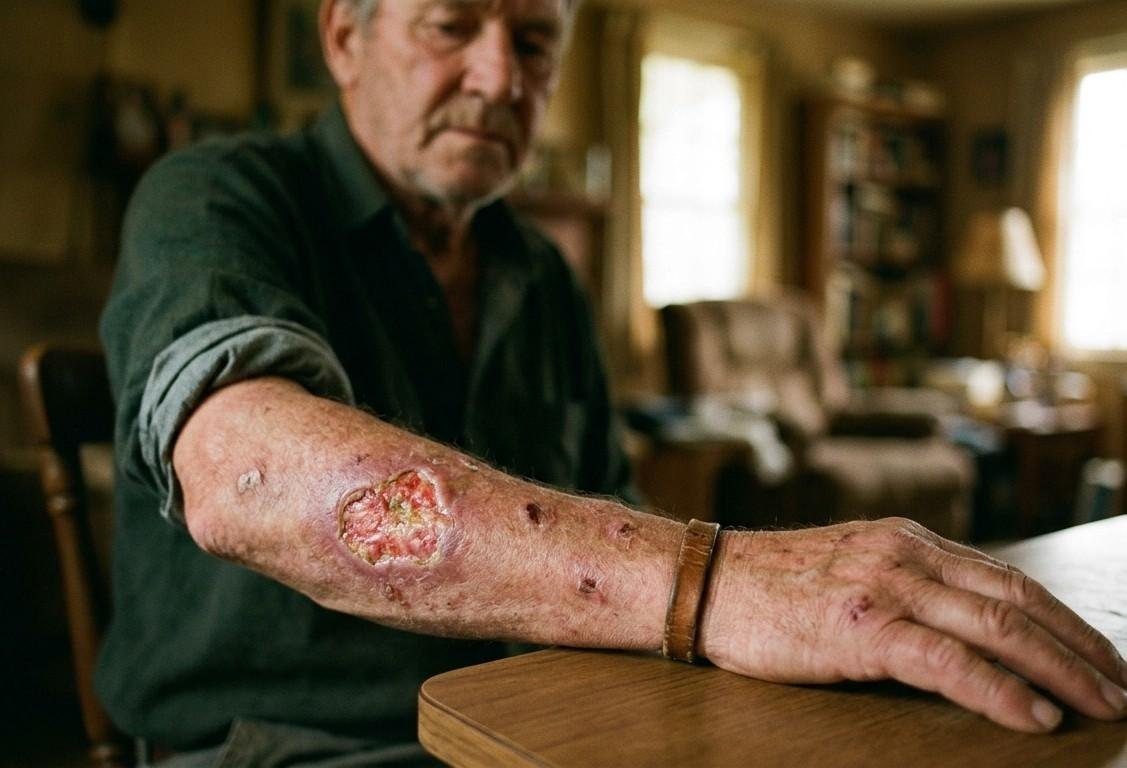
Doctors often describe three classic symptoms as the “triple P’s.” Polyuria means frequent urination. When extra glucose builds up in the blood, the kidneys work harder to filter and remove it, so you may urinate more often, especially at night.
Polydipsia means excessive thirst. As your body loses fluid, you may feel thirsty even after drinking water. Polyphagia means extreme hunger. When your cells cannot use glucose efficiently for energy, your body may send hunger signals even after a meal.
If you wake up to urinate, carry water everywhere, and feel hungry soon after eating, it is worth getting checked.
Fatigue, Weight Changes, and Energy Crashes
Persistent fatigue is one of the most common diabetes symptoms in adults. You may sleep enough but still feel drained because your cells are not getting energy from glucose the way they should. Some people notice afternoon crashes, brain fog, irritability, or low motivation.
Unexplained weight loss can happen when the body cannot access glucose properly and starts using fat and muscle for fuel. This can be more obvious with type 1 diabetes, but adults with high blood sugar should still take sudden weight loss seriously.
Blurry Vision and Slow-Healing Sores
Blurry vision can happen when high blood sugar causes fluid shifts in the eye, making it harder to focus. Some adults assume they need stronger glasses, but vision that changes suddenly or fluctuates during the day deserves medical attention.
Slow-healing sores are another warning sign. Elevated blood sugar can affect circulation and immune response, so small cuts, scrapes, blisters, or sores may take longer to recover. This matters most on the feet or lower legs, where diabetes can also affect nerves and blood flow.
Frequent Infections and Dark Skin Patches
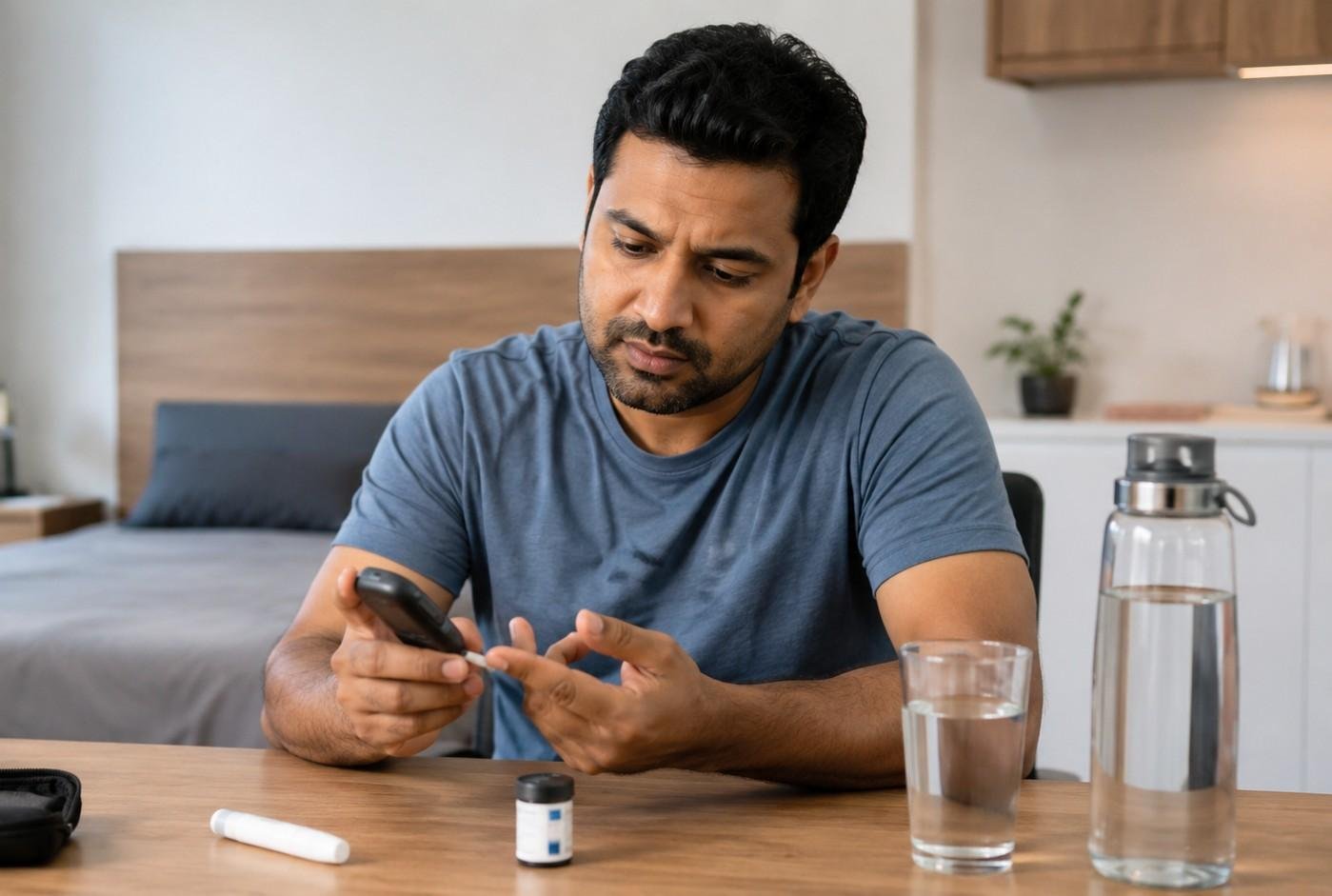
High blood sugar can make it easier for bacteria and yeast to grow. Adults may notice frequent urinary tract infections, yeast infections, skin infections, gum problems, or irritation that keeps returning. One infection does not automatically mean diabetes, but recurring infections with thirst, urination, or fatigue should not be ignored.
Darkened skin patches can also signal insulin resistance. This condition, called acanthosis nigricans, often appears as dark, thick, velvety skin around the neck, armpits, groin, or other skin folds. Many people mistake it for dirt, tanning, or a cosmetic issue, but it can point to insulin resistance.
Tingling, Numbness, and Foot Symptoms
Tingling, numbness, burning, or a pins-and-needles feeling in the hands or feet may point to nerve irritation from high blood sugar. You may blame tight shoes, long workdays, or sitting too long, but repeated tingling in the feet should be discussed with a healthcare provider. Foot symptoms matter because reduced sensation can make small cuts or blisters harder to notice.
Fruity-Smelling Breath Is an Emergency Warning Sign
Fruity-smelling breath is not just a small early symptom to watch casually. A sweet or nail-polish-remover-like smell can point to high ketones and possible diabetic ketoacidosis, a serious condition that needs urgent care. This is more common in type 1 diabetes but can also happen with type 2 diabetes.
Seek emergency help if fruity breath happens with vomiting, trouble breathing, confusion, severe weakness, or very high blood sugar readings. This is one sign where waiting is not worth the risk.
When Should Adults Get Tested for Diabetes?

You should ask about testing if you notice several warning signs together, such as frequent urination, excessive thirst, extreme hunger, fatigue, blurry vision, slow healing, infections, skin changes, or tingling feet. Testing is also important if you have risk factors such as family history, higher body weight, high blood pressure, previous gestational diabetes, or limited physical activity.
Common tests include the A1C test, fasting blood glucose test, random plasma glucose test, and oral glucose tolerance test. An A1C test is useful because it shows average blood sugar over about the past three months. Your doctor can help decide which test fits your situation.
Frequently Asked Questions (FAQs)
1. What is usually the first sign of diabetes in adults?
Frequent urination and excessive thirst are often the first noticeable signs, but fatigue, blurry vision, hunger, and recurring infections can also appear early.
2. Can adults have diabetes without symptoms?
Yes. Type 2 diabetes and prediabetes can develop slowly, and some adults feel normal until a routine blood test shows high blood sugar.
3. Are dark patches on the neck a diabetes sign?
Dark, velvety patches around the neck, armpits, or groin can be linked to insulin resistance, so they should be checked by a healthcare provider.
4. When is diabetes-related breath odor urgent?
Fruity-smelling breath with vomiting, trouble breathing, confusion, weakness, or very high blood sugar may signal diabetic ketoacidosis and needs emergency care.
Final Thoughts
I would not panic over one vague symptom, but I also would not ignore a pattern. The early signs of diabetes in adults can look like normal life at first: thirst, fatigue, hunger, bathroom trips, blurry vision, slow healing, infections, skin changes, or tingling feet.
A simple blood sugar test can give you answers early, when lifestyle changes, medical care, and steps to lower blood pressure can make the biggest difference.





Leave a Reply