
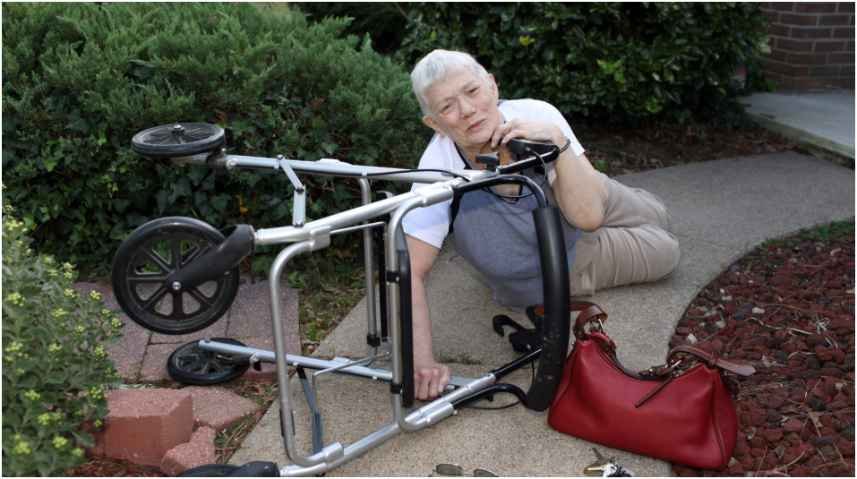
I take fall prevention tips for seniors seriously because one small trip can change daily life fast. A loose rug, dim hallway, weak legs, or dizzy moment may look harmless until they combine at the wrong time.
The CDC reports that falls are the leading cause of injury for adults aged 65 and older. More than one in four older adults report falling each year. That is not a reason to panic. It is a reason to act early, room by room and habit by habit.
Why Fall Prevention Starts Before the Fall
Most falls do not happen because of one dramatic mistake. They happen because several small risks meet at once.
A senior may wake up at night, step onto a loose rug, move through a dark hallway, and feel lightheaded from medication. Each risk seems minor alone. Together, they create a perfect fall setup.
That is why the best fall prevention tips for seniors focus on prevention before fear appears. The goal is not to wrap the home in bubble wrap. The goal is to make daily movement easier, clearer, and safer.
Independence depends on confidence. When a senior feels safe walking to the bathroom, cooking breakfast, or using the stairs, they move more. More movement helps protect strength, balance, and mobility.
The Three-Layer Fall Filter I Use at Home
I like to think of fall prevention as a three-layer filter. Every safety step should protect at least one of these areas: the home, the body, or the routine.
Layer 1: Clear the Path Before Feet Touch the Floor
Start with the walking path. Look at the route from the bed to the bathroom, the chair to the kitchen, and the front door to the living room.
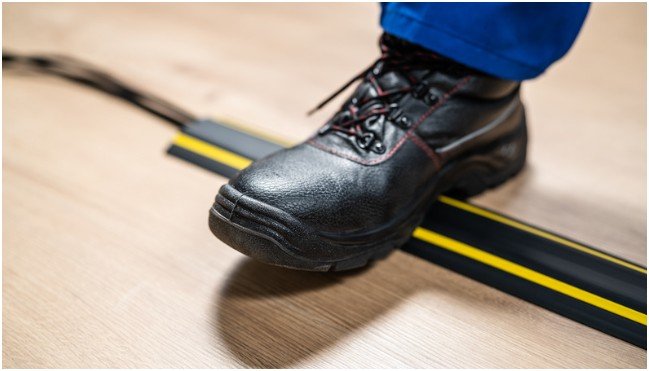
Remove loose cords, stacks of paper, small furniture, pet toys, and clutter from these paths. Do not push hazards against the wall and call it done. If a cane, walker, or tired foot can catch it, move it.
Throw rugs deserve special attention. Small rugs slide, curl, and bunch under shoes. Remove them when possible. If a rug must stay, secure it with heavy-duty double-sided tape or a non-slip backing.
Layer 2: Make Balance Easier, Not Harder
Balance gets harder when floors are slippery, lighting is poor, or support is missing. Bright lighting helps the brain judge distance and steps faster.
Place night lights in bedrooms, hallways, bathrooms, and stair areas. Motion-sensor lights work well for late-night movement because no one has to search for a switch in the dark.
Handrails matter too. Stairs should have solid, continuous handrails on both sides. A short rail that stops early does not help when balance slips at the last step.
Layer 3: Reduce Health Risks That Sneak Up Quietly
The body can create fall risk before the floor does. Vision changes, hearing loss, medication side effects, dehydration, foot pain, and blood pressure drops can all affect stability.
This is where fall prevention tips for seniors must include health checks, not just home repairs. A safer home helps. A stronger, better-monitored body helps even more.
Room-by-Room Home Safety Tips for Seniors
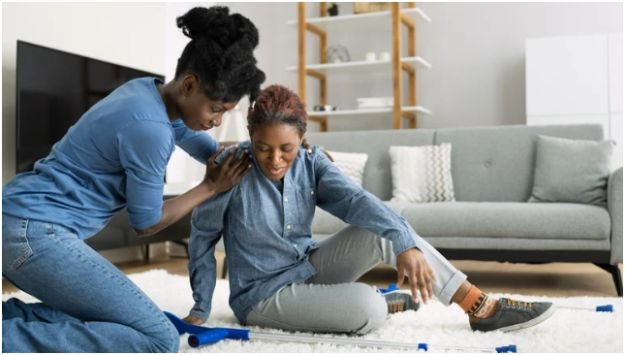
A whole-house safety review can feel overwhelming. I prefer a room-by-room approach because it turns fall prevention into a practical weekend task.
Bedroom Safety for Nighttime Movement
The bedroom should support slow, steady movement. Keep a lamp, phone, glasses, water, and walking aid within easy reach of the bed.
Avoid low benches, loose blankets, and storage boxes near the walking path. If the bed is too high or too low, standing becomes harder. A senior should be able to sit with feet flat on the floor before standing.
A simple rule works well: nothing should sit between the bed and the bathroom path unless it helps movement.
Bathroom Fall Prevention That Actually Works
Bathrooms are high-risk because water, tile, soap, and tight spaces all work against balance.
Use non-slip mats inside and outside the tub. Install permanent grab bars near the toilet and shower. Suction grab bars may feel convenient, but professionally mounted bars provide better support.
Keep shampoo, soap, towels, and toiletries within easy reach. Reaching down, twisting, or stretching in a wet shower increases risk. A shower chair can help seniors who feel unsteady while bathing.
Kitchen and Stair Safety for Daily Independence
The kitchen creates hidden fall risks because people reach, turn, carry, and step around cabinets.
Move daily items to waist-level shelves. Keep mugs, plates, medication boxes, and cooking tools easy to reach. Avoid using chairs as step stools. That one “quick reach” is not worth the risk.
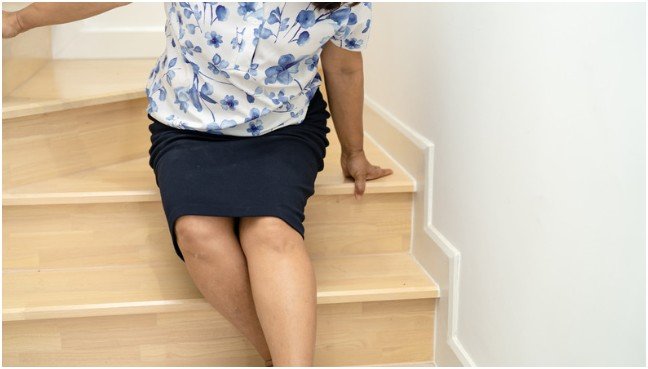
For stairs, fix uneven edges, loose carpet, weak lighting, and missing handrails. Add contrast tape to step edges if depth is hard to judge.
Balance Exercises for Seniors That Support Safer Movement
Exercise is one of the strongest fall prevention tips for seniors because it improves strength, reaction time, and confidence. The USPSTF recommends exercise interventions for community-dwelling adults 65 and older who are at increased risk of falling.
Sit-to-Stand Practice
Sit-to-stand practice builds the exact strength used every day. Use a sturdy, non-rolling chair. Sit with feet flat. Stand slowly without pulling on furniture, then sit back down with control.
Start with a small number of repetitions. Quality matters more than speed. If standing causes dizziness or pain, stop and speak with a healthcare provider.
This exercise works because it trains the legs, hips, and balance system together.
Tai Chi, Yoga, and Gentle Balance Training
Tai Chi is often recommended for balance because it uses slow, controlled movement. Gentle yoga and beginner Pilates can also support posture, flexibility, and body awareness.
The best program is the one a senior can do safely and consistently. A class at a senior center, physical therapy clinic, or community gym may offer better supervision than online videos.
Footwear Rules I Would Not Ignore
Shoes can either protect balance or betray it. Wear closed-toe shoes with non-skid soles inside and outside the home.
Avoid loose slippers, flip-flops, smooth socks, and walking barefoot on slick floors. If a shoe slides, twists, or catches, it is not a safe daily shoe.
Foot pain also matters. Pain changes how people walk, and that can raise fall risk. A podiatrist can help with painful feet, poor shoe fit, or balance-related foot problems.
Medical Checks That Lower Fall Risk
Home changes matter, but medical risks need equal attention. Some seniors fall because their body gives them late warnings.
Vision, Hearing, and Medication Reviews
Schedule yearly vision and hearing checks. Even small sensory changes can affect depth perception, awareness, and balance.
Medication reviews are just as important. Ask a primary care doctor or pharmacist to review prescriptions, over-the-counter medicines, and supplements. Some medicines can cause dizziness, drowsiness, confusion, or low blood pressure.
Never stop prescribed medication without medical advice. The goal is safer management, not guessing.
Dizziness, Blood Pressure, and Slow Position Changes
Standing too quickly can trigger lightheadedness. Seniors should sit upright for a few moments before rising from bed or a deep chair.
After standing, pause before walking. This short delay gives the body time to adjust. It is a tiny habit, but it can prevent a major fall.
If dizziness happens often, report it. Do not treat it as normal aging. It may signal medication issues, dehydration, blood pressure changes, or inner ear problems.
What to Do If a Senior Has Already Fallen
A previous fall is a warning sign, not a failure. The CDC notes that falling once doubles the chance of falling again, so the next step should be a fall-risk review.
Write down where the fall happened, what time it happened, what shoes were worn, what medication was taken, and what the person was doing. These details help a doctor or physical therapist find the real cause.
A medical alert device can also help, especially for seniors who live alone. Choose one that is easy to wear and simple to activate. Automatic fall detection may add extra protection.
FAQs About Fall Prevention Tips for Seniors
1. What are the best fall prevention tips for seniors at home?
The best steps are removing clutter, securing rugs, improving lighting, adding grab bars, wearing safe shoes, exercising regularly, and reviewing medications.
2. What exercises help seniors avoid falls?
Sit-to-stand practice, Tai Chi, gentle yoga, supervised balance training, and leg-strength exercises can improve stability and confidence.
3. How can caregivers reduce fall risk for elderly parents?
Caregivers can check walkways, bathroom safety, footwear, medication side effects, lighting, stair rails, and emergency communication devices.
4. When should a senior see a doctor after a fall?
A senior should contact a doctor after any fall, especially with pain, dizziness, head impact, weakness, confusion, or repeated balance problems.
The Floor Is Not the Boss of You
Good fall prevention tips for seniors are not about fear. They are about staying in charge of the home, the body, and the daily routine.
Start with the path used most often at night. Clear it, light it, and make it easier to walk. Then check shoes, medications, vision, and balance exercises. Small fixes add up fast, and the floor does not get to win that easily.



Leave a Reply