

A calendar packed with meetings, deadlines, and personal commitments can make travel feel like another task on the to-do list. After struggling with rushed bookings and chaotic itineraries, discovering practical travel planning tips for busy professionals made every trip easier, more organized, and far more enjoyable. The right system can help anyone travel more while spending less time planning.
Key Takeaways
- Plan travel dates before choosing destinations.
- Automate bookings and keep documents organized digitally.
- Travel carry-on only whenever possible.
- Protect your health with smart scheduling and recovery time.
- Use technology and AI tools to save planning hours.
Why This Matters More Than You Think
Travel should be exciting, yet many professionals spend more time worrying about logistics than enjoying the experience. That often leads to expensive mistakes, missed opportunities, and unnecessary stress.
The reality is that travel planning tips for busy professionals are no longer just helpful. They are essential for anyone trying to balance career growth, personal well-being, and meaningful travel experiences without feeling overwhelmed.
Build A Travel System That Works
Creating a repeatable process removes much of the stress associated with trip planning.
Instead of starting from scratch before every trip, develop a personal travel framework that includes booking timelines, packing routines, document storage, and destination research methods. This approach reduces decision fatigue and saves valuable time.
A reliable travel system also makes last-minute opportunities easier to manage. Whether it is a business conference or a weekend getaway, having a structure in place keeps everything running smoothly.
Start With Calendar Blocking
Reserve travel dates in your calendar before researching flights or hotels. Protecting your travel window early prevents work commitments from taking over available time.
This simple habit also helps identify the best periods for travel, making it easier to coordinate vacation days and avoid peak work responsibilities.
Create A Reusable Checklist
A reusable checklist ensures important tasks never get overlooked. Include travel documents, accommodation details, transportation arrangements, health essentials, and packing requirements.
Using the same checklist for every trip creates consistency and reduces last-minute stress.
Streamline Bookings And Logistics
Efficient booking strategies can save both time and money while making travel significantly more convenient.
Instead of juggling multiple websites and confirmation emails, centralizing travel arrangements helps maintain organization and reduces booking errors.
Use Corporate Travel Tools
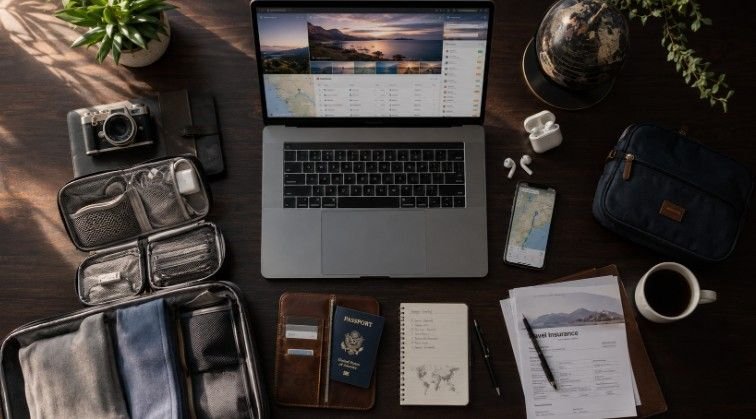
Dedicated travel platforms can simplify flight, hotel, and transportation bookings. Many professionals rely on travel management systems to keep itineraries, expenses, and reservations in one place.
These tools often provide real-time updates, making it easier to manage schedule changes during travel.
Join Loyalty Programs
Frequent travelers can benefit from airline, hotel, and rental car loyalty programs. Accumulating rewards points can lead to upgrades, priority services, and travel savings over time.
Membership programs also streamline future bookings by storing traveler preferences and information.
Add Buffer Time
Avoid scheduling important meetings immediately after landing. Delays, traffic, and unexpected disruptions are common travel realities.
Building at least a two-hour buffer into your itinerary allows for smoother transitions and reduces unnecessary pressure.
Pack Smarter, Travel Faster
Packing efficiently is one of the most overlooked travel planning tips for busy professionals. A thoughtful packing strategy minimizes stress, saves time at airports, and helps maintain productivity throughout the journey.
Standardize Your Travel Gear
Keeping duplicate chargers, toiletries, adapters, and travel essentials in a dedicated travel bag eliminates repetitive packing.
A ready-to-go setup makes preparing for trips significantly faster while reducing the chance of forgetting important items.
Travel Carry-On Only
Whenever possible, travel with a carry-on suitcase. Skipping baggage claim saves time and lowers the risk of lost luggage.
Packing cubes and wrinkle-resistant clothing help maximize luggage space while keeping items organized.
Invest In Travel Tech
Reliable travel accessories improve both comfort and productivity. A quality power bank, universal adapter, and noise-canceling headphones can make working from airports and hotels far more manageable. These small investments often have a significant impact on the overall travel experience.
Stay Connected Anywhere
Modern travel requires reliable connectivity, especially for professionals who need access to work while on the move. Technology has made it easier than ever to remain productive without sacrificing travel experiences.
Use An eSIM Plan
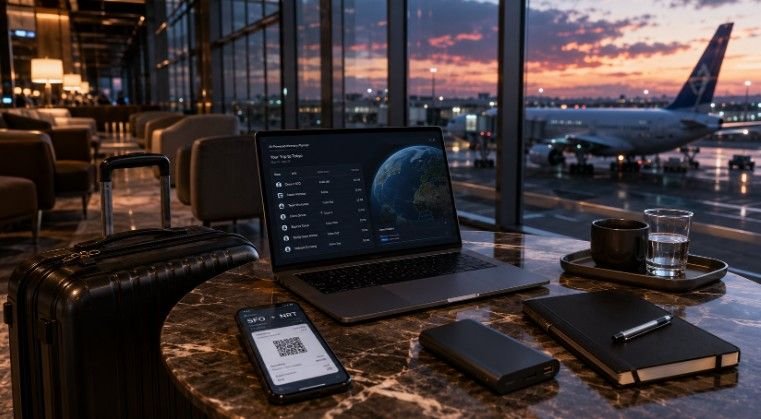
An eSIM allows travelers to access mobile data without purchasing physical SIM cards. This creates instant connectivity upon arrival in a new destination.
Reliable internet access improves navigation, communication, and access to travel resources.
Store Documents Digitally
Keep digital copies of passports, boarding passes, travel insurance details, and identification documents in a secure cloud storage platform.
Having instant access to important records can be invaluable during emergencies or unexpected travel disruptions.
Centralize Travel Information
Using one platform to manage reservations, maps, confirmations, and schedules helps reduce confusion and keeps important information readily accessible.
Protect Your Health On The Road
Travel success is not measured only by productivity or sightseeing. Health and well-being play an equally important role.
Neglecting physical wellness can quickly turn an enjoyable trip into an exhausting experience.
Adjust To Local Time Early
Changing your sleep schedule before departure and following the destination’s time zone during travel can help minimize jet lag. This strategy allows travelers to adapt more quickly and remain productive upon arrival.
Choose Wellness-Friendly Hotels
Accommodations with fitness centers, healthy dining options, and reliable Wi-Fi support both physical health and professional responsibilities. Maintaining familiar routines while traveling often improves energy and focus.
Prioritize Hydration And Recovery
Long flights and busy schedules can contribute to fatigue and dehydration. Be aware of rules on traveling with liquids. Drinking sufficient water and scheduling downtime helps maintain energy levels throughout the trip. Even short recovery periods can significantly improve travel comfort.
Travel Planning Tips For Busy Professionals In Action
The best way to apply travel planning tips for busy professionals is through a simple, repeatable process.
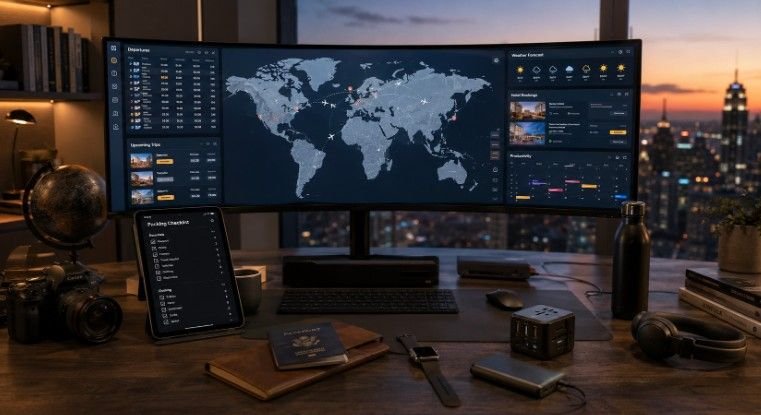
Begin by blocking travel dates on your calendar and selecting destinations that align with your available time. Use travel tools to book flights and accommodations efficiently while storing all confirmations digitally.
Prepare a standardized carry-on with essential items, activate connectivity solutions before departure, and build realistic buffer times into your itinerary. Finally, during travel prioritize sleep, hydration, and wellness throughout the journey to maintain productivity and enjoyment.
Following this step-by-step approach transforms travel planning from a stressful obligation into a streamlined habit.
Frequently Asked Questions
1. What are the 4 C’s of corporate travel management?
The 4 C’s are Cost Control, Compliance, Convenience, and Communication. These principles help businesses manage travel efficiently while ensuring employees remain productive, comfortable, and aligned with company travel policies.
2. What does a 75% travel job look like?
A 75% travel job generally involves spending about three weeks per month traveling for meetings, client visits, conferences, or project work. Frequent flights, hotel stays, and flexible schedules are common parts of the role.
3. What are the 5 stages of travel planning?
The five stages of travel planning include inspiration, research, booking, preparation, and execution. Each stage plays an important role in creating a smooth travel experience while minimizing unexpected challenges and delays.
4. Can ChatGPT create a travel itinerary?
Yes. ChatGPT can create customized travel itineraries based on destination, budget, interests, travel style, and available time. It can also suggest attractions, accommodations, transportation options, and daily schedules.
Your Boarding Pass To Better Adventures
Travel does not have to compete with career goals or personal responsibilities. By applying these travel planning tips for busy professionals, it becomes possible to reduce stress, save time, stay healthy, and enjoy more meaningful experiences. A structured approach to planning, packing, booking, and wellness transforms every trip into a smoother and more rewarding journey, allowing professionals to focus less on logistics and more on making memories.





Leave a Reply