
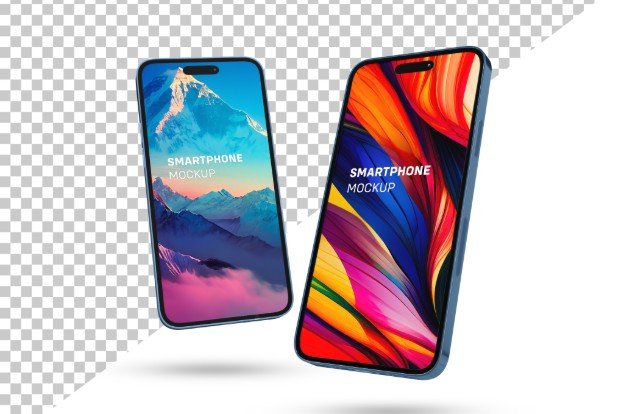
I have seen people buy a phone because of a discount, a camera number, or a brand name, then feel stuck with the wrong device. A smartphone should fit your routine, not force you to adjust around it. How to Choose the Right Smartphone for Your Needs begins with understanding your habits, budget, carrier, and must-have features before you compare models.
Start With Your Daily Phone Habits
Before looking at brands, think about what you do on your phone every day. If you mainly call, text, browse, use maps, check email, stream videos, and scroll social media, a good mid-range phone may be enough.
If you play heavy games, record videos, edit content, attend video meetings, or multitask for hours, choose a phone with a stronger processor, more RAM, reliable storage, and longer battery life. Students, parents, travelers, business users, and creators all need different things, so lifestyle should guide your choice first.
Set a Budget Before Comparing Phones
Smartphone deals can be confusing because monthly payments often hide the full cost. Before buying, check the total price, plan cost, taxes, trade-in value, accessories, insurance, and possible repair costs.
Budget phones are fine for basic use, but they may have weaker cameras, slower chips, and shorter update support. Mid-range phones usually offer the best balance of price, speed, battery, camera quality, and display comfort. Android phones make sense when you want premium cameras, faster performance, brighter screens, and updates for several years.
Certified refurbished phones can also be smart if they include a warranty, return policy, battery details, and carrier compatibility. Never buy only because the price looks low.
Choose Between iPhone and Android
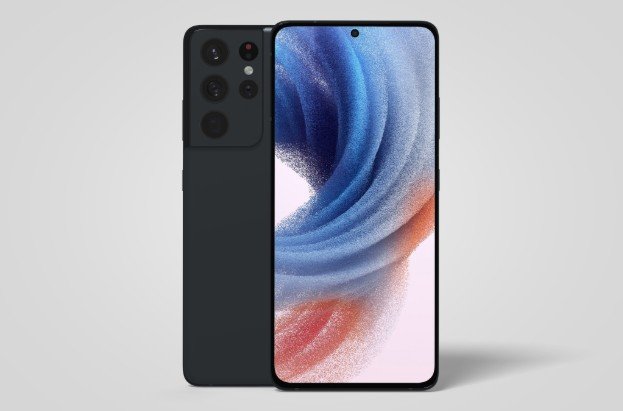
An iPhone is a strong choice if you already use a Mac, iPad, AirPods, Apple Watch, FaceTime, or iMessage. It offers a simple experience, strong resale value, long software support, and a smooth connection with other Apple devices.
Android gives you more choice in price, size, design, camera setup, charging speed, and customization. You can find affordable Android phones, gaming phones, camera-focused phones, and foldables. The right choice depends on your ecosystem, budget, and how much control you want.
Do Not Judge Camera Quality by Megapixels
More megapixels do not always mean better photos. Camera quality depends on sensor size, image processing, lens quality, optical zoom, night mode, stabilization, and video performance, just as understanding common online scams depends on looking beyond surface-level claims.
If camera quality matters, check real photo and video samples before buying. Look at low-light shots, skin tones, moving subjects, zoom photos, selfies, and video stabilization. Creators should also check front-camera video, microphone quality, and 4K recording.
Check Battery Life and Charging
Battery life matters more than many flashy features. Do not judge only by battery size because software, processor efficiency, screen brightness, and refresh rate all affect drain. Real-world battery reviews are more useful than numbers on a spec sheet.
Fast charging helps if you commute, travel, or use your phone heavily. Wireless charging is convenient, but usually slower. Also check whether the charger is included in the box.
Pick the Right Display and Size
A large screen is better for streaming, gaming, reading, maps, editing, and video calls. A smaller phone is easier to carry, hold, and use with one hand. Choose comfort before choosing the biggest screen.
OLED screens usually offer richer contrast than basic LCD screens. A 90Hz or 120Hz refresh rate makes scrolling smoother. Outdoor brightness matters if you use your phone while commuting or traveling.
Understand Performance, RAM, and Storage

For everyday use, 6GB to 8GB RAM is usually enough. Gamers, creators, and heavy multitaskers should look for a stronger processor and more RAM. The processor affects speed, camera processing, gaming, battery efficiency, and how well the phone ages.
Storage is easy to underestimate. A 128GB phone can work for casual users, but 256GB is safer if you take many photos, record videos, download games, or keep work files offline.
Check Carrier Support, 5G, eSIM, and Updates
Before buying, confirm that the phone works with your carrier, especially when buying unlocked phones online. Check 5G NR frequency bands support, eSIM compatibility, hotspot rules, and whether the device works well with major carriers like Verizon, AT&T, and T-Mobile.
Software updates are also important. Security updates protect your data, while system updates keep the phone useful for longer. A cheap phone with weak update support may cost more if you replace it sooner.
Look at Extra Features Before Buying
Small features can change everyday comfort. Check water resistance, NFC for contactless payments, fingerprint unlock, face unlock, stereo speakers, dual SIM support, satellite emergency features, repair options, warranty coverage, and accessory availability.
Also read the return policy. A phone may look perfect online but feel too heavy, too slippery, or too large in real life.
Frequently Asked Questions
1. How to Choose the Right Smartphone for Your Needs?
Start with your daily habits, then compare budget, iPhone versus Android, camera quality, battery life, display, storage, carrier support, and software updates.
2. Is an unlocked phone better than a carrier phone?
An unlocked phone is better if you want freedom to switch carriers, travel easily, or avoid long contracts.
3. How much storage should a smartphone have?
Most people should choose at least 128GB, while photo, video, gaming, and work users should consider 256GB or more.
4. Should I buy a mid-range phone or a flagship phone?
Choose mid-range for everyday value, but buy a flagship if you need the best camera, speed, display, and long-term updates.
Final Thoughts
I would never choose a smartphone by hype alone. The smartest choice is the phone that still feels useful after months of real use. Battery life, comfort, storage, camera results, carrier support, and updates matter more than a flashy launch feature.
When you compare phones through your own habits and budget, you avoid paying for features you will rarely use and choose a device that actually fits your life.





Leave a Reply