
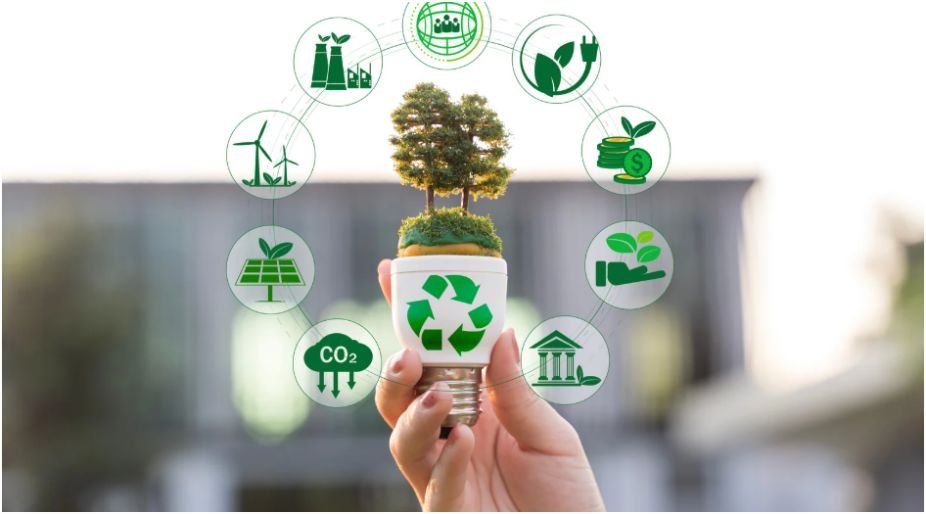
Learning how to live more sustainably gets easier when you stop treating it like a personality makeover. I used to think sustainable living meant expensive swaps, perfect recycling, and never forgetting a reusable bag. Then I realized the biggest wins came from ordinary choices I could repeat without drama.
A sustainable lifestyle works best when it fits your real schedule, budget, home, and family habits. You do not need to do everything. You need to do the right things often enough that they become automatic.
Why Sustainable Living Works Better When It Feels Normal
Most people quit eco-friendly habits because they make life harder. That is the wrong strategy. The smarter approach is to reduce friction first.
For me, the turning point was asking one simple question: “Which habit saves the most impact for the least effort?” That question changed how I looked at food, energy, transportation, and shopping. It also helped me avoid the guilt trap.
The EPA connects household emissions to daily activities like driving, heating, electricity, and waste. That means your routine has power. It also means you can improve your impact without moving off-grid or buying a house full of solar panels.
Start With Sustainable Food Choices That Actually Stick

Food is one of the easiest places to start because you make food decisions every day. You do not need a perfect diet. You need better defaults.
Eat More Plants Without Turning Dinner Into a Project
One of the simplest ways to reduce your carbon footprint is to eat more plant-heavy meals. Meat and dairy, especially beef, usually create more greenhouse gas emissions than plant-based foods. Beans, lentils, oats, rice, potatoes, vegetables, tofu, and seasonal fruit can lower the impact of everyday meals.
I do not recommend starting with a strict rule unless that motivates you. Start with one repeatable swap. Replace beef tacos with black bean tacos. Use oat milk for weekday coffee. Make pasta with roasted vegetables instead of sausage. A boring habit you repeat beats a dramatic change you abandon.
Plant-forward eating also helps your grocery budget when you build meals around pantry staples. That matters because sustainable habits last longer when they save money.
Stop Food Waste Before It Reaches the Trash
Food waste feels small until you see how often it happens. The lettuce wilts. The takeout rice gets forgotten. The berries grow fuzz in the back of the fridge. Those tiny losses add up.
The EPA has linked wasted food in landfills to methane emissions, which makes food waste a climate issue, not just a household budget issue. My best fix is the “use-first shelf.” I keep leftovers, opened produce, and soon-to-expire items on one visible shelf. That shelf decides my next meal before I open a delivery app.
Composting also helps when scraps are unavoidable. Fruit peels, coffee grounds, vegetable ends, and eggshells can become soil instead of landfill waste. If you do not have a backyard, check local drop-off programs or community gardens.
Reduce Your Carbon Footprint at Home

Your home has hidden sustainability wins everywhere. The trick is to start with changes that work every day in the background.
Switch the Small Stuff First
LED bulbs are one of the easiest energy-saving tips because they require almost no behavior change. The Department of Energy says residential LEDs use at least 75% less energy than incandescent lighting. That is a strong return for a simple swap.
Laundry is another easy win. ENERGY STAR says water heating consumes about 90% of the energy used by a clothes washer. I now wash most loads in cold water and save hot water for towels, heavy stains, or sanitation needs. Clothes also fade less, which helps them last longer.
Standby power is another sneaky drain. Chargers, game consoles, printers, and entertainment systems can use power even when they look off. Use smart power strips or unplug devices you rarely use.
Use Less Water Without Making Life Annoying
Water conservation does not need to feel extreme. Turn off the faucet while brushing. Fix leaks quickly. Run full dishwasher and laundry loads. Shorten showers by two minutes instead of pretending you will become a five-minute-shower person overnight.
These changes sound basic because they are. That is why they work. Sustainable living is often less about heroic action and more about removing daily waste.
Choose Eco-Friendly Transportation More Often
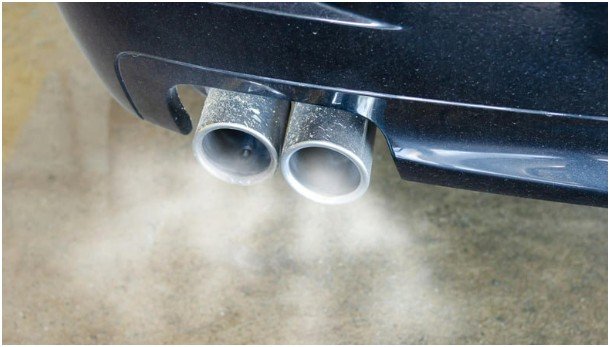
Transportation is a major part of many personal carbon footprints, especially in car-dependent areas of the United States. You may not be able to ditch your car completely, and that is fine. Start with short trips.
I use a simple rule: if the trip is short, I ask whether walking, biking, combining errands, or using public transit makes sense. Even replacing one or two car trips per week can change your routine.
For commuting, carpooling or taking public transportation can cut per-person emissions. For travel, flying less often has a bigger impact than obsessing over tiny household swaps. When possible, choose closer destinations, direct flights, trains, buses, or fewer but longer trips.
Sustainable travel is not about never going anywhere. It is about making movement more intentional.
Buy Less, Reuse More, and Make Zero Waste Living Practical
Zero waste living sounds intimidating, but the practical version starts before recycling. The best item is the one you never needed to buy.
EPA sustainable materials data shows that the production, transport, use, and disposal of goods account for a large share of US emissions. That makes consumption a powerful place to act.
Before buying something new, I ask three questions: Can I borrow it? Can I buy it secondhand? Will I still use it six months from now?
Secondhand furniture, refurbished electronics, thrifted clothing, and reused jars are not just “eco” choices. They are often smarter financial choices. This is one of the trends everyone is secretly following because it blends sustainability with savings and personal style.
Single-use plastics are another easy target. Keep a reusable water bottle, grocery tote, and food container where you actually need them. Not in a perfect Pinterest drawer. In your car, bag, desk, or entryway.
Avoid fast fashion when possible. Choose fewer clothes, better fabrics, and items you can repair, restyle, or wear often. A $40 shirt worn 80 times beats a $12 shirt worn twice.
My 15-Minute Sustainability Reset
When my routine feels messy, I do a quick reset. It takes 15 minutes and shows me where I can improve without overthinking.
I check the fridge first and move soon-to-expire food to the front. Then I unplug idle chargers and switch off unused power strips. Next, I put reusable bags near the door. Finally, I choose one errand to combine with another trip.
This tiny reset works because it focuses on behavior, not guilt. It also proves that how to live more sustainably is not a mystery. It is a repeatable system.
FAQs About How to Live More Sustainably
1. What is the easiest way to live more sustainably?
Start with cold-water laundry, LED bulbs, less food waste, and one plant-based meal swap each week.
2. How can I be sustainable on a budget?
Buy less, shop secondhand, reduce energy waste, plan meals, and reuse what you already own.
3. Does recycling make a big difference?
Recycling helps, but reducing, reusing, repairing, and composting usually create stronger results first.
4. How to live more sustainably without changing everything?
Pick three habits you can repeat weekly, then add more only when those feel normal.
Your Planet-Friendly Era Starts Quietly
The most sustainable people I know are not perfect. They are consistent. They waste a little less food, drive a little less often, buy fewer impulse items, and make their homes more efficient over time.
That is the real answer to how to live more sustainably. Do not wait for the perfect setup. Choose one habit today, make it easy to repeat, and let that small change boss up your routine.




Leave a Reply