
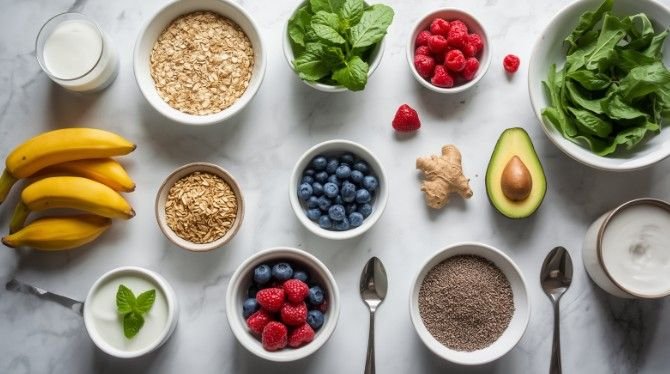
A cranky stomach can steal the joy from even your favorite meal. That is why I like keeping foods that help digestion simple, familiar, and realistic. You do not need a perfect diet to support your gut. You need steady fiber, helpful bacteria, enough water, gentle fats, and patience.
This health guide is educational, not medical advice. Digestion can be affected by stress, sleep, medication, food intolerance, IBS, reflux, and infections. Speak with a healthcare professional if symptoms are severe, ongoing, painful, or paired with blood in stool, fever, or unexplained weight loss.
Key Takeaways
- Fiber keeps stools moving.
- Probiotics support gut bacteria.
- Water helps fiber work.
- Healthy fats add balance.
- Personal triggers matter.
Foods That Help Digestion Matter
Your gut is like a busy kitchen crew. Give it the right ingredients, and everything moves smoothly. Give it greasy overload, too little water, or no fiber, and the crew gets grumpy. Foods that help digestion matter because they support regularity, comfort, nutrient absorption, and a healthier gut microbiome.
Fiber-Rich Foods For Daily Flow
Fiber-rich plant foods are the foundation of better digestive health because they support bowel regularity and feed good gut bacteria.
The best approach is gentle consistency. Add fiber slowly, chew well, and let your gut adjust before doubling portions.
Leafy Greens
Spinach, kale, romaine, collards, and Swiss chard bring fiber, magnesium, water, and plant nutrients. Cooked greens may feel gentler than raw salads, especially if you often feel bloated.
Cruciferous Vegetables
Broccoli, Brussels sprouts, cabbage, and cauliflower are rich in fiber and wellness-supporting plant compounds. If they make you gassy, start with small cooked servings and chew your food slowly.
Berries And Colorful Fruits
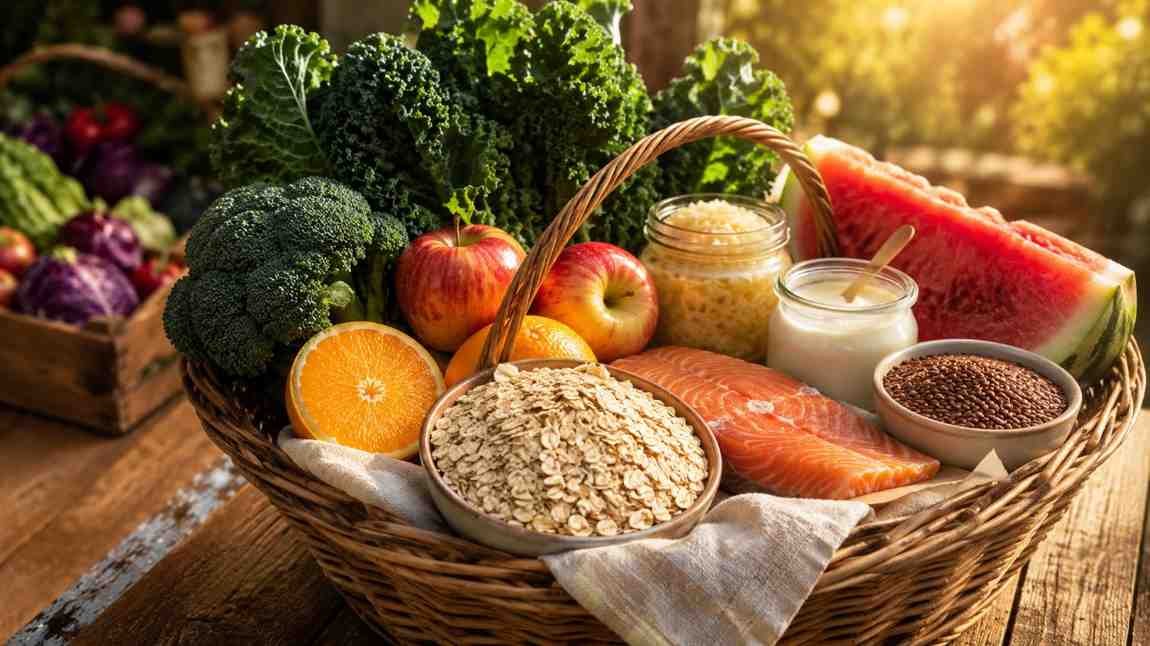
Berries, pears, oranges, and apples add fiber, fluid, and antioxidants. Apples contain pectin, a soluble fiber that can support stool consistency and feed beneficial bacteria.
Whole Grains For Colon Health
Whole grains keep the bran and germ, which means they provide more fiber, minerals, and digestive support than refined grains. They also make meals more filling, which can help you avoid greasy snacks that often leave the stomach feeling sluggish.
Oats
Oatmeal is one of the easiest breakfast choices for digestion. Its soluble fiber helps create softer stool and keeps meals satisfying without feeling too heavy.
Brown Rice And Quinoa
Brown rice and quinoa are gentle, filling grains that pair well with vegetables and lean protein. A bowl with quinoa, spinach, avocado, and chicken can feel light but nourishing.
Whole Wheat And Barley
Whole wheat bread, barley, and other intact grains add roughage that supports colon health. Increase whole grains gradually and drink water to avoid gas, bloating, or pressure.
Fermented Foods For Gut Balance
Fermented foods can add live helpful bacteria, also called probiotics, that support a balanced gut microbiome. Think of them as small flavor boosters, not giant side dishes. A little can be enough when your stomach is sensitive.
Yogurt With Live Cultures
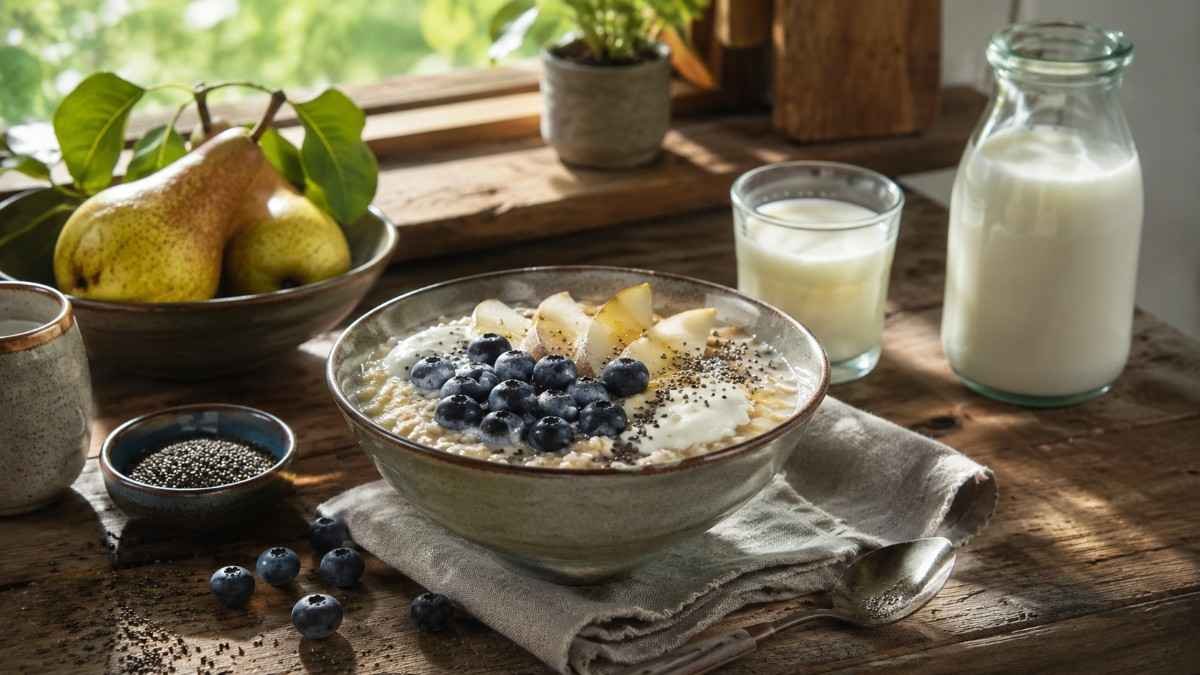
Plain yogurt with live active cultures is a simple probiotic food. Choose unsweetened yogurt when possible, and try lactose-free or cultured dairy-free options if dairy bothers you.
Kefir
Kefir is a tangy fermented drink that may contain several probiotic strains. Start with a small serving, because your gut may need time to adapt.
Sauerkraut And Kimchi
Sauerkraut and kimchi bring probiotics and bold flavor. Add a spoonful to rice bowls, eggs, or salads, but watch the salt and spice if reflux is a trigger.
Hydrating Foods Help Fiber Work
Hydration is critical because fiber needs fluid to move comfortably through the digestive tract. Water-rich foods are useful because they add volume, freshness, and comfort without making meals feel heavy or greasy.
Cucumbers And Watermelon
Cucumbers and watermelon are water-rich foods that feel light, refreshing, and easy to add to meals. They support hydration while giving you gentle plant nutrients.
Clear Broths And Soups
Clear broths and vegetable soups can be soothing when your stomach feels heavy. Soups with beans, barley, carrots, greens, or lentils can also support regularity.
Soothing Spices For Calm Digestion
Certain herbs and spices may support gastric motility, ease nausea, or make meals feel gentler. Use them like tiny kitchen helpers. The right amount can make food comforting without overwhelming your stomach.
Ginger
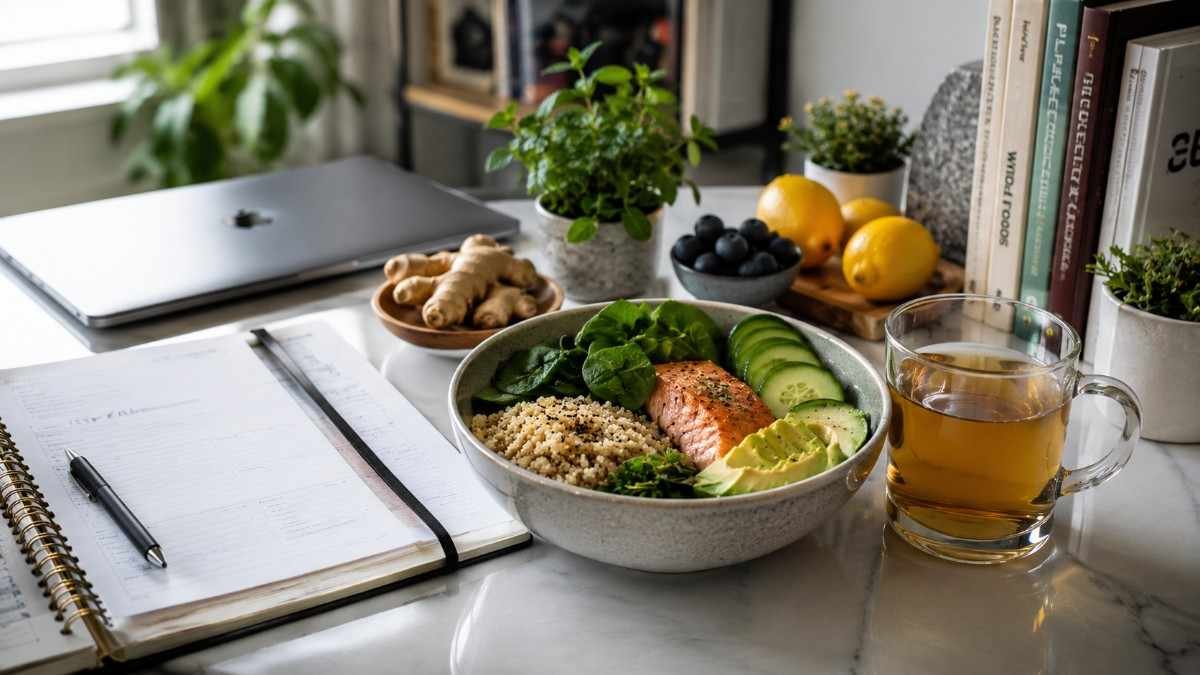
Ginger is a favorite for nausea, fullness, and a troubled stomach. Use it in tea, soup, stir-fries, smoothies, or warm water with lemon.
Peppermint
Peppermint tea may feel cooling and soothing for gas or mild stomach discomfort. Skip it if it worsens reflux, and choose ginger tea instead.
Healthy Fats And Food Variety
A healthy gut thrives on variety, so build colorful meals with plants, protein, healthy fats, and fluids. The goal is balance. Fat supports satisfaction, but very greasy meals can slow digestion and worsen reflux.
Avocado And Seeds
Avocado offers fiber and healthy fats, while chia, flax, and pumpkin seeds add fiber and minerals. Keep portions balanced because too much fat can feel heavy.
Salmon And Olive Oil
Salmon and olive oil provide fats that fit well in a gut-friendly eating pattern. They pair nicely with brown rice, leafy greens, cucumbers, and colorful vegetables.
How To Use Foods That Help Digestion
Using foods that help digestion works best when you make small, repeatable changes instead of chasing a dramatic reset. It should fit your breakfast, lunch, snacks, and grocery list.
Start Small
Begin with one easy habit, like oatmeal at breakfast or yogurt with berries as a snack. Keep it consistent for a few days before adding more fiber.
Pair Fiber With Water
Every time you add more oats, greens, beans, berries, or whole grains, add more fluids too. Water helps fiber soften stool and move through the gut.
Track Your Triggers
Notice which foods feel good and which bring bloating, reflux, constipation or loose stools. A quick food and symptom note can reveal useful patterns.
Frequently Asked Questions
1. What Foods Help Digestion The Most?
Foods that help digestion the most include oats, leafy greens, berries, yogurt, kefir, legumes, brown rice, chia seeds, ginger, cucumbers, and fermented foods like sauerkraut or kimchi.
2. What Is The 7 Day Gut Reset?
A 7 day gut reset usually means eating more whole foods, fiber, fermented foods, healthy fats, and water while reducing fried foods, alcohol, excess sugar, and ultra-processed snacks.
3. What Helps Digest Food Immediately?
Nothing digests food instantly, but a gentle walk, sitting upright, sipping warm water, ginger tea, and relaxed breathing may reduce fullness and help your stomach feel calmer.
4. Which Drink Is Good For Digestion?
Water is the best everyday drink for digestion because it helps fiber work. Ginger tea, kefir, clear broth, and peppermint tea may also help, depending on your symptoms.
Belly Smiles Start Here
Foods that help digestion do not have to be boring, expensive, or strict. Build meals around fiber-rich vegetables, whole grains, fermented foods, hydrating choices, soothing spices, and healthy fats. Keep portions comfortable, drink water, avoid fast food and listen to your body. A happy gut often starts with one colorful plate today and one simple habit repeated daily.





Leave a Reply