
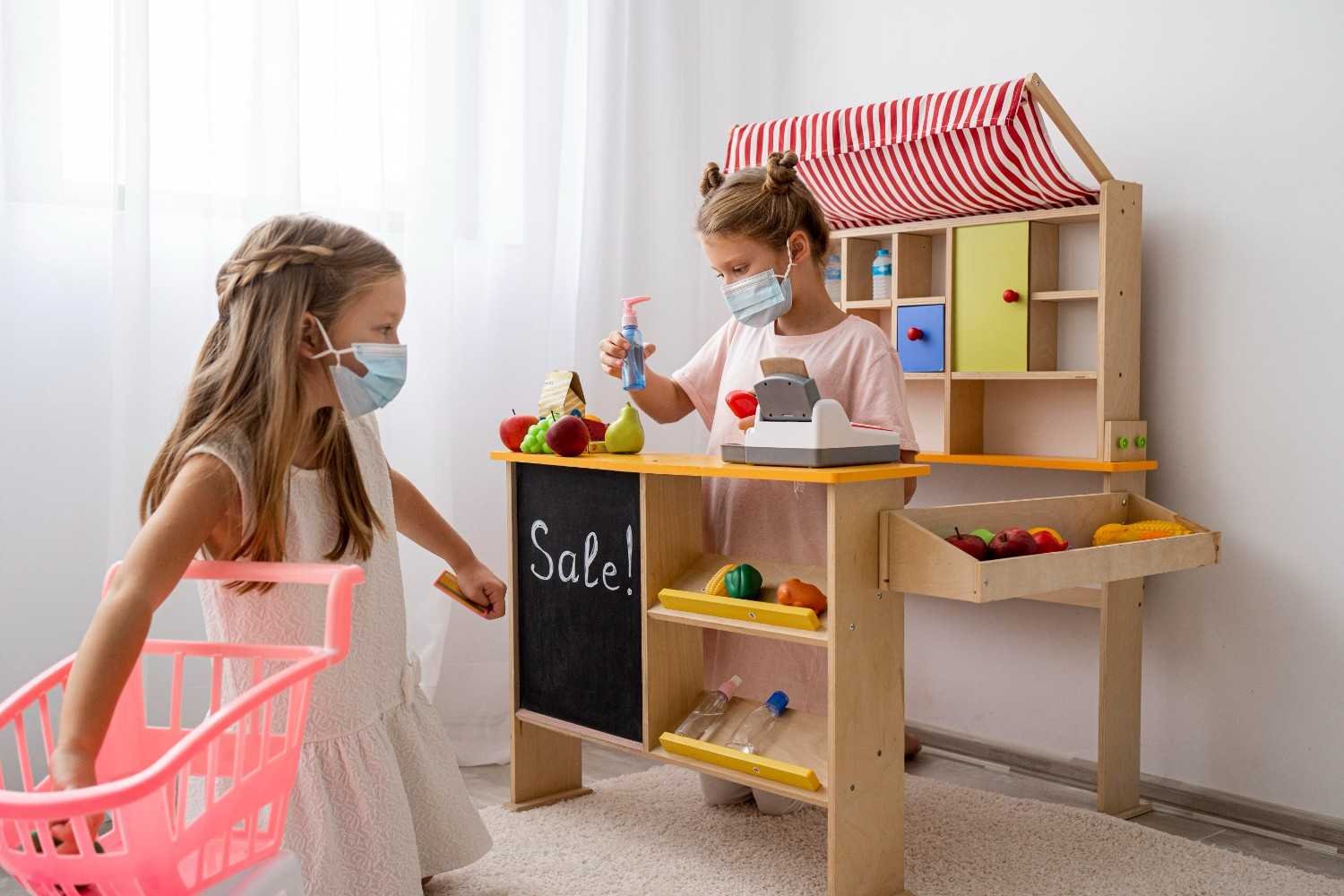
A child’s room can look clean in the morning and completely upside down by dinner. Toys spread across the floor, clothes miss the hamper, books pile up near the bed, and tiny craft supplies seem to travel everywhere. I have learned that the real solution is not buying more baskets. It is creating a system that makes sense to a child.
The best kids room organization ideas do more than hide clutter. They create simple zones, use storage children can reach, and make cleanup feel like a normal part of the day. When every item has a clear home, the room becomes easier to enjoy, easier to clean, and much easier to maintain.
Start With Kids Room Decluttering Before Storage
Before adding shelves, bins, or closet organizers, start with kids’ room decluttering. Storage works best when it holds items your child actually uses. Go through toys, books, clothes, school supplies, stuffed animals, puzzles, craft materials, and seasonal items.
Remove broken toys, outgrown clothes, dried markers, missing game pieces, and anything your child no longer enjoys. For younger children, keep the process simple. Instead of asking whether they want to keep every item, ask whether they still play with it. That small shift makes decisions easier and avoids turning decluttering into a long emotional battle.
Create Functional Zones for Daily Activities
One of the smartest kids bedroom organization ideas is to divide the room into clear zones. A sleeping zone should feel calm and clear, with only a small nightstand, current book, water bottle, or nightlight nearby. This keeps the bed from becoming a storage area.
A play zone works best when it has a soft, durable rug and nearby toy storage. This helps toys stay in one section instead of spreading into the bed, closet, and doorway. A study and craft zone should include a child-sized desk, chair, and desktop organizers for pencils, markers, paper, scissors, glue sticks, and school supplies.
If the room has natural day light, placing the desk near a window can make the space feel more inviting.
The dressing zone should include the closet, dresser, hamper, and everyday clothing. Keep frequently worn items in the lowest drawers or shelves so your child can reach them without help.
Use Child-Friendly Storage Bins and Cubbies
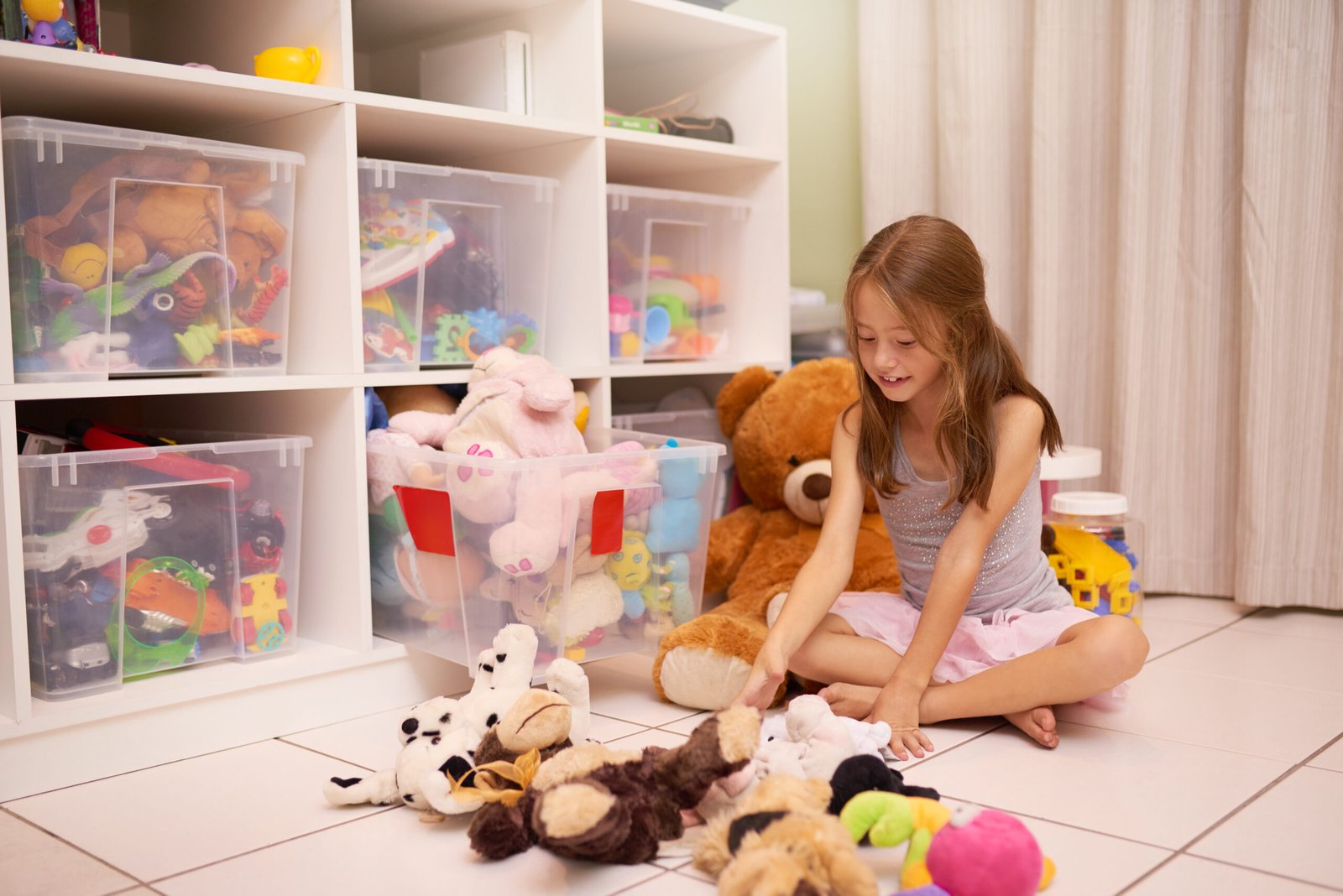
Traditional toy boxes often turn into a cluttered black hole. Kids dig for one toy, dump everything out, and forget what is inside. A better approach is visible, child-friendly storage.
Low cube organizers are useful because they keep toys close to the ground. IKEA KALLAX-style cube shelves, open cubbies, and short bookcases allow toddlers and young children to reach toys and put them away independently. Clear plastic bins work well for LEGO bricks, action figures, doll accessories, cars, and other small toys because children can see what is inside without dumping the container.
Open fabric totes are better for stuffed animals, dress-up clothes, sports balls, and larger toys. For pre-literate children, picture labels or simple drawings on bins can work better than written labels. Older kids can use text labels for categories like blocks, dolls, puzzles, art supplies, books, and costumes.
Make Toy Storage Easy to Maintain
The best toy storage ideas match the way your child plays. Blocks, cars, dolls, stuffed animals, puzzles, art supplies, and pretend food should not all live in one oversized box. Grouping similar items together makes playtime smoother and cleanup faster.
Toy rotation also helps reduce clutter. Keep only a portion of the toys in the bedroom and store the rest in closed bins in a closet, garage, or storage area. Every few weeks, swap them out. This keeps the room cleaner and makes old toys feel interesting again.
The one-in, one-out rule can also help. When a new toy, book, or game comes into the room, choose one older item to donate, sell, or store elsewhere. This simple habit prevents clutter from slowly taking over again.
Maximize Vertical Wall Space
For small bedrooms, kids room organization ideas should focus on height, under-bed space, and unused wall areas. When floor space is limited, vertical storage can make the room feel bigger and cleaner.
Floating bookshelves or shallow picture ledges are great for displaying books facing forward. This encourages reading and adds color to the wall. Wall-mounted pegboards can hold art supplies, headphones, medals, bags, small baskets, and craft tools. Hooks are useful for backpacks, jackets, hats, dress-up clothes, and reusable bags.
Over-the-door organizers are another simple fix. A clear pocket organizer on the back of a bedroom or closet door can hold shoes, small toys, winter accessories, hair items, or craft supplies. A hanging mesh hammock in the corner can keep stuffed animals off the bed and floor while still making them easy to reach.
Use Under-Bed Storage for Hidden Clutter
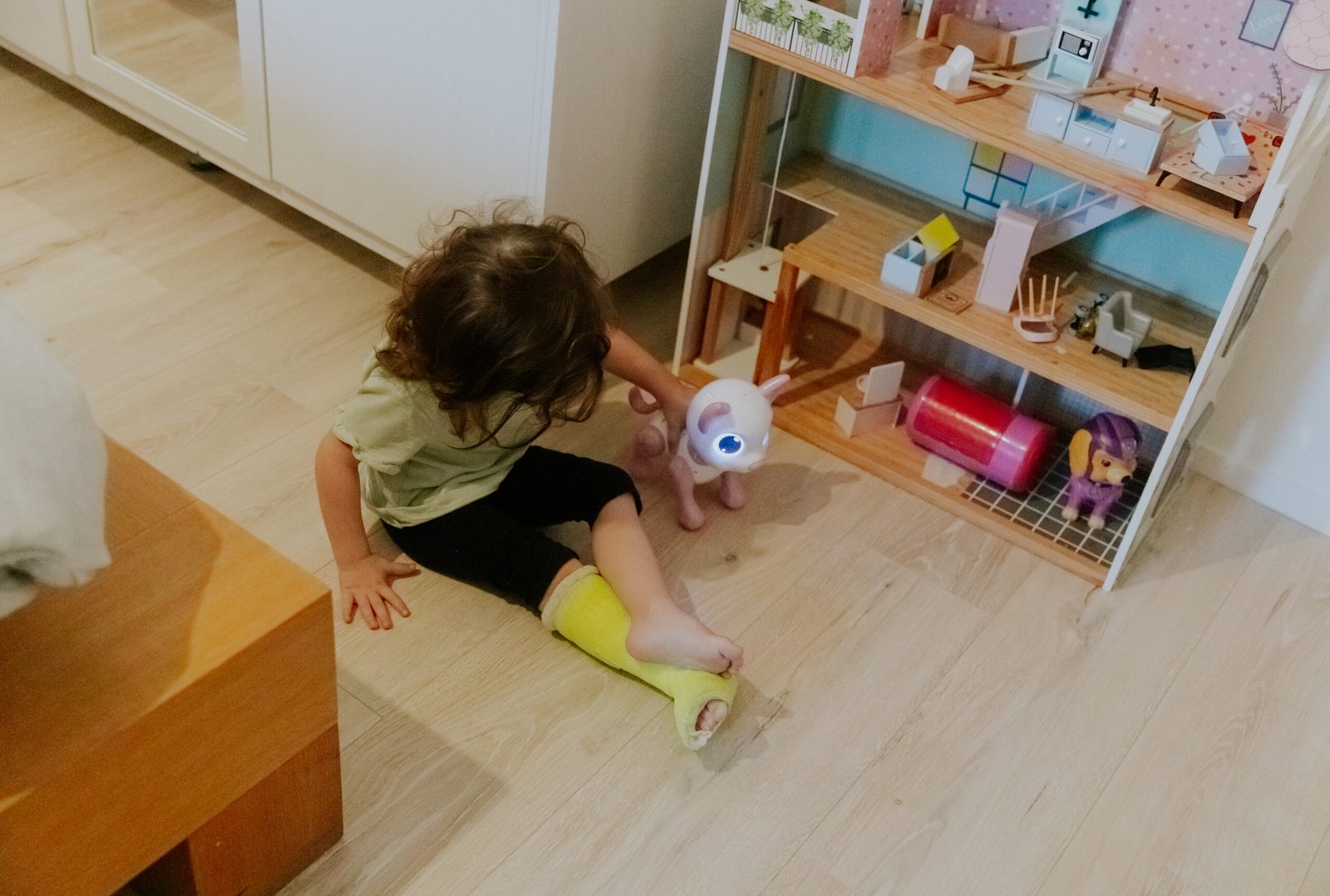
Under bed storage for kids room organization is especially useful in apartments, shared rooms, and small homes. Flat bins can hold seasonal clothes, extra bedding, board games, keepsake artwork, or rotated toys.
If the bed sits low, bed risers can create more space. A storage bed with built-in drawers can also replace the need for an extra dresser. The key is to label each bin and avoid using the space as a hiding place for random clutter.
Organize the Closet and Dresser
Kids closet organization should be simple and easy to maintain. A double hanging rod instantly adds more hanging space and brings shirts, jackets, and uniforms down to your child’s height. Drawer dividers help separate socks, underwear, pajamas, and accessories.
The file-folding method works well for t-shirts, pants, and shorts. Instead of stacking clothes flat, fold them vertically so your child can see every item at once. This prevents messy digging and makes it easier to choose outfits.
Keep an “outgrown” basket at the bottom of the closet. When something no longer fits, place it there immediately for donation, hand-me-downs, or storage. This keeps too-small clothing from returning to drawers and taking up valuable space.
Build a Reading Corner and Homework Station
Kids bedroom storage should support both play and learning. A reading corner can be as simple as a floor cushion, small lamp, and front-facing bookshelf. Younger children often choose books by the cover, so display shelves can make reading more appealing.
A homework or craft station keeps school supplies from spreading across the room. If there is no room for a full desk, use a rolling cart with pencils, crayons, notebooks, chargers, paper, and craft tools. Messier supplies like paint, glitter, and strong glue can stay on a higher shelf where parents can supervise.
Organize Shared Kids’ Rooms Without Arguments
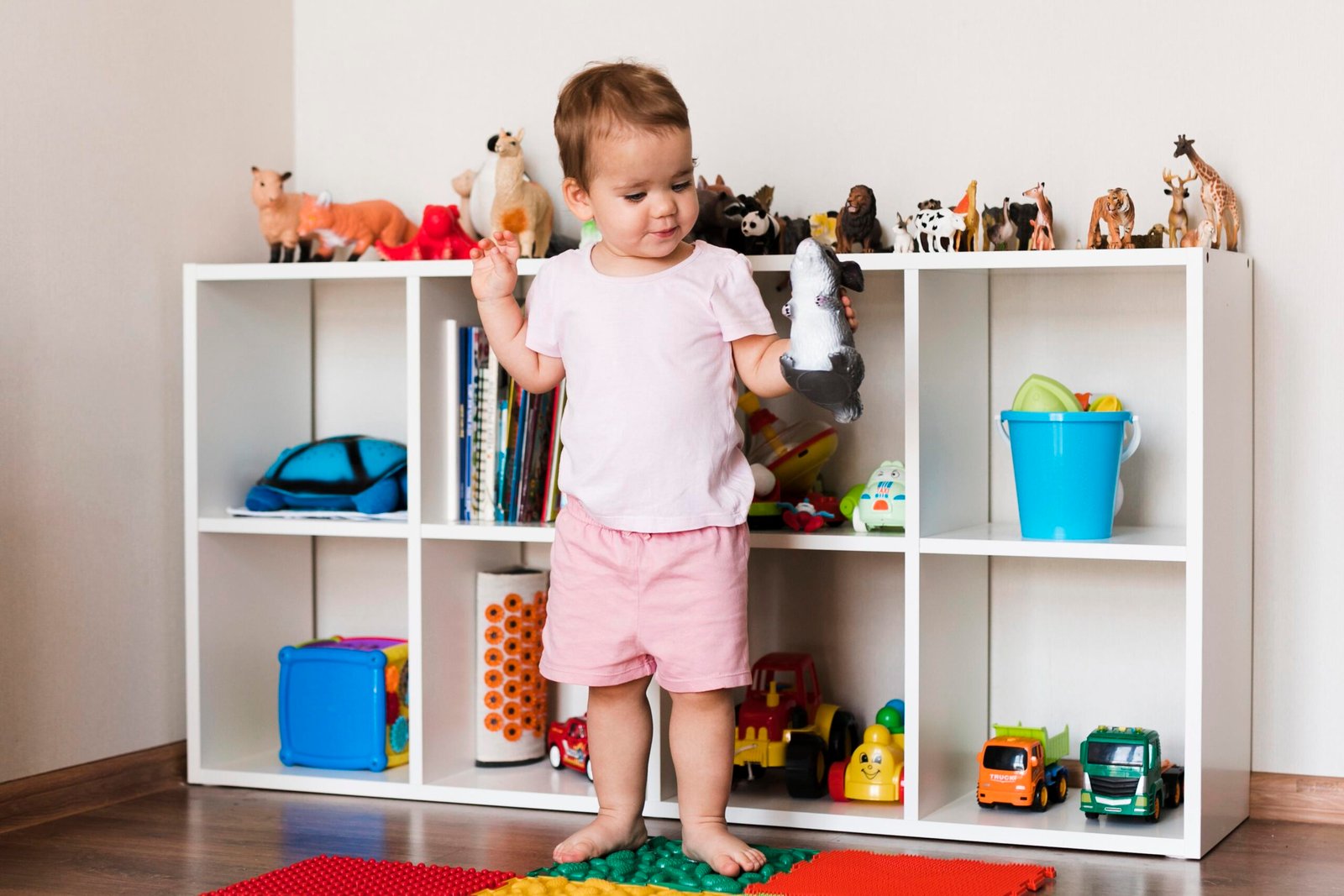
Shared kids room organization works best when each child has personal storage. Separate drawers, labeled bins, individual shelves, or color-coded baskets can reduce confusion and arguments.
If siblings share toys, create one common play zone. If they have separate belongings, give each child a specific cubby, basket, or drawer. Bunk beds, vertical shelves, and under-bed drawers can also help make shared bedrooms feel more balanced and less crowded.
Create a Nightly Cleanup Routine
A kids room cleanup routine does not need to be complicated. A nightly five-minute reset can make a huge difference. Put on an upbeat song and challenge your child to return toys to bins, books to shelves, clothes to the hamper, and school supplies to the desk before the music ends.
The goal is not a perfect room. The goal is a room that resets quickly. When cleanup becomes part of the bedtime routine in kids, clutter does not have time to build into a weekend project.
Frequently Asked Questions (FAQs)
1. What are the best kids room organization ideas for shared bedrooms?
The best systems use separate bins, drawers, shelves, or color-coded baskets for each child, plus one shared zone for common toys and books.
2. How do I organize toys in a small bedroom?
Use cube shelves, clear bins, under-bed containers, wall hooks, over-the-door organizers, and toy rotation to keep only the most-used toys accessible.
3. How can I make my child keep their room clean?
Use low storage, picture labels, simple categories, and a short nightly cleanup routine so your child can manage the system without constant help.
4. What storage works best for kids’ clothes?
Double closet rods, drawer dividers, vertical file folding, low drawers, and an outgrown-clothes basket make clothing easier to see, use, and maintain.
Final Thoughts
I believe an organized kids’ room should feel practical, not perfect. Children need systems that match how they play, dress, read, study, and clean up. When storage is visible, reachable, and easy to understand, kids are more likely to use it, which also supports a smarter home safety checklist for families by reducing clutter, tripping hazards, and misplaced items.
With clear zones, low bins, vertical wall storage, closet systems, toy rotation, and a quick nightly reset, a messy bedroom can become a calmer space that works for both parents and children.





Leave a Reply