
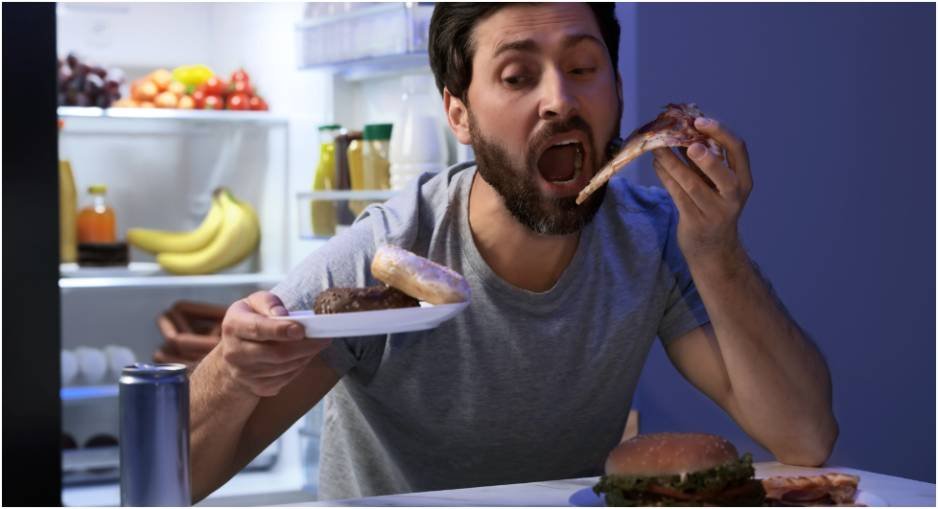
The psychology behind lifestyle habits explains why I can know what is good for me and still reach for the easier choice. Habits are not just discipline problems. They are brain shortcuts built through cues, rewards, identity, and repetition.
That is why a morning walk can feel natural after weeks of practice, while late-night scrolling can feel impossible to stop. Both follow the same mental rules. Once I understood those rules, habit change stopped feeling like a character test and started feeling like design work.
Why Lifestyle Habits Feel Automatic Before You Notice Them
Most daily behavior does not begin with a big decision. It starts with a tiny signal. A phone buzzes. A coffee mug appears. A stressful email lands. The brain reads the cue and prepares the usual response.
This is where the psychology behind lifestyle habits becomes practical. If the cue stays the same, the routine usually repeats. That applies to healthy routines, such as brushing teeth after breakfast, and unhealthy routines, such as grabbing snacks during work stress.
The Habit Loop Runs Quietly In The Background
A habit loop has three parts: cue, routine, and reward. The cue tells the brain something familiar is happening. The routine is the behavior. The reward teaches the brain whether to repeat it.
For example, I may feel tired at 3 p.m. That tired feeling becomes the cue. I check my phone for a quick lift. The reward is a small burst of novelty. Over time, my brain links afternoon fatigue with screen checking.
This is why habits often feel emotional before they feel logical. The brain does not ask, “Is this good for my long-term life?” It asks, “Did this help me feel better last time?”
Dopamine Makes The Cue Feel Powerful
Dopamine is often misunderstood as a pleasure chemical. It is more useful to see it as a wanting and learning signal. The brain can start craving the reward before the reward arrives.
That is why opening a delivery app can feel satisfying before the food comes. The cue itself starts to carry emotional weight. The psychology behind lifestyle habits is not only about what we enjoy. It is also about what we expect to enjoy.
The Brain Loves Shortcuts, Even Bad Ones
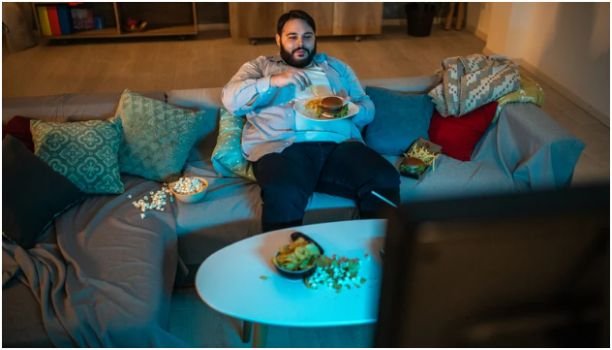
The brain wants to save energy. That helps us drive familiar roads, cook regular meals, and follow morning routines without thinking through every step. The problem is that the brain also automates routines that do not support us.
A habit is not good just because it is automatic. It is simply well-practiced.
The Basal Ganglia Turns Repetition Into Autopilot
When a habit is new, the thinking part of the brain works hard. You plan, remember, decide, and correct yourself. With repetition, control shifts toward deeper brain systems linked with automatic behavior.
That shift is useful. It helps a workout routine feel easier after enough repetition. It also explains why an old lifestyle habit can return during stress. The brain reaches for the well-worn path because it takes less effort.
Decision Fatigue Makes Old Routines Feel Safer
Modern life creates too many small choices. What to eat, when to exercise, which message to answer, what to ignore, and when to rest all compete for attention.
After a long day, the brain often chooses the familiar option. That does not mean someone lacks willpower. It means the old routine is cheaper for the brain to run.
This is also why many wellness promises fail. Some advice sounds smart but ignores how tired real people are. That is one reason I like questioning lifestyle myths people still believe before accepting another extreme routine.
Why Changing Lifestyle Habits Feels Hard

Many people try to change habits by pushing harder. They buy a planner, write a strict schedule, and expect a new personality by Monday. Then life gets busy, motivation drops, and the old pattern returns.
The failure is usually not laziness. It is a mismatch between the plan and the brain.
Present Bias Favors Comfort Right Now
Present bias means the brain gives more weight to immediate comfort than future benefits. A workout may improve health later, but the couch feels good now. Saving money matters later, but buying something online feels rewarding now.
This is why vague goals do not hold up. “I want to be healthier” is weaker than “After I brush my teeth, I will put on walking shoes.”
A clear cue beats a motivational speech.
Big Changes Can Trigger Resistance
A huge lifestyle overhaul can feel exciting for one day and threatening by the third. The brain likes familiar patterns because familiar often feels safe.
When I try to change sleep, food, exercise, screen time, and work habits at once, my brain treats the plan like a disruption. That creates resistance. Smaller changes feel less dramatic, so they slip past the internal alarm system.
Identity Misalignment Breaks Consistency
Identity matters because people repeat actions that fit how they see themselves. If I say, “I am terrible at routines,” every missed day confirms the story. If I say, “I am becoming someone who keeps simple promises,” a two-minute habit still counts.
The psychology behind lifestyle habits shows that identity does not change through one dramatic decision. It changes through repeated evidence. Every small action becomes a vote for the kind of person I am practicing to become.
How To Rewire Daily Behavior Without Forcing It
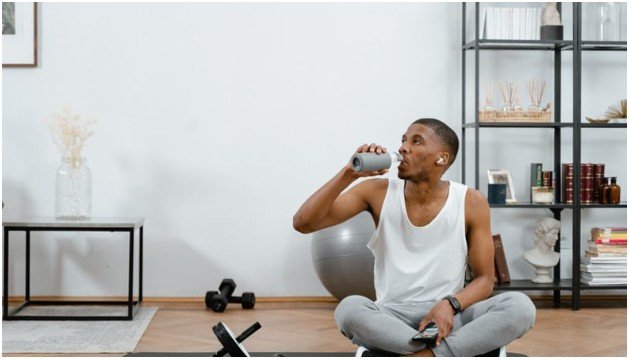
Better habits become easier when the environment carries more of the work. I do not want to rely on motivation at 6 a.m. or self-control after a stressful day. I want the setup to make the right action obvious.
Use The 10-Second Friction Audit
Here is the original habit test I use: ask whether the desired behavior can begin within 10 seconds.
If I want to stretch in the morning, is the mat visible? If I want to drink more water, is the bottle filled? If I want to stop scrolling at night, is the phone outside the bedroom?
When a good habit takes too many steps, friction wins. When a bad habit is too easy, impulse wins. The 10-second friction audit makes the environment honest.
Stack New Habits Onto Old Ones
Habit stacking works because the old routine becomes the cue for the new one. Instead of creating a habit from empty space, I attach it to something already stable.
After I make coffee, I take vitamins. After I close my laptop, I write tomorrow’s top task. After I brush my teeth, I read one page.
This works because the brain already trusts the first action. The new behavior borrows that stability.
Start So Small Your Brain Cannot Argue
Micro-stepping is powerful because it removes drama. The goal is not to impress anyone. The goal is to repeat the action long enough for the brain to recognize it.
One push-up. One paragraph. One minute outside. One glass of water before lunch.
Tiny actions may look too small to matter, but they lower resistance. Once the behavior starts, momentum often grows naturally.
A Real-Life Example Of Habit Psychology At Work
Imagine someone wants to stop late-night snacking. A weak plan says, “I will be more disciplined.” A better plan studies the loop.
The cue may be boredom after dinner. The routine is walking into the kitchen. The reward is comfort, taste, and a break from stress.
Now the person redesigns the loop. After dinner, they make mint tea and put it beside the couch. They brush their teeth earlier. They keep snack foods out of sight. They replace the reward with warmth, flavor, and closure.
Nothing here requires a personality transplant. It uses the psychology behind lifestyle habits to change the cue, reduce friction, and protect the reward.
FAQs About The Psychology Behind Lifestyle Habits
1. What is the psychology behind lifestyle habits?
The psychology behind lifestyle habits is the study of how cues, rewards, repetition, identity, and environment shape automatic daily behavior.
2. Why are lifestyle habits so hard to change?
They are hard to change because the brain prefers familiar routines, immediate rewards, and low-effort decisions.
3. How long does it take to build a new habit?
Research suggests habit timing varies widely, but simple actions usually become automatic faster than complex routines.
4. What is the easiest way to start a healthy lifestyle habit?
Start with one tiny action attached to an existing routine, then repeat it in the same context daily.
The Plot Twist: Your Habits Are Negotiable
Your habits are not your destiny. They are patterns your brain learned because they solved something once, even if they now create a new problem.
I like that idea because it removes shame. I do not need to fight my brain. I need to give it better cues, easier starts, and rewards that still feel real.
Start with one habit today. Make it smaller than your ego wants. Make it easier than your excuses expect. Then repeat it until your brain gets the message.




Leave a Reply