
I have followed wellness “rules” simply because they sounded responsible. Drink eight glasses. Avoid carbs. Sweat out toxins. Start over after one bad workout. These lifestyle myths people still believe spread because they feel simple, not because they always hold up.
The tricky part is that many myths contain one useful habit. Morning water can help. Frozen vegetables are smart. Meditation can calm your day. The problem starts when simple habits get sold as miracles.
Why Lifestyle Myths People Still Believe Stick So Hard
Lifestyle myths people still believe survive because they offer control. A juice cleanse feels cleaner than trusting your liver and kidneys. A strict meal schedule feels more scientific than eating balanced meals consistently.
My rule is simple: keep the habit if it helps real life, but question the dramatic claim attached to it.
Hydration and Detox Myths That Still Sound Healthy

The 8-Glasses Rule Is Not a Law
Water matters, but every body does not need the same glass count. Hydration needs change with size, activity, weather, diet, pregnancy, breastfeeding, and health conditions. You also get fluids from fruit, vegetables, soups, milk, tea, and other drinks.
I check urine color, energy, thirst, and headaches instead of chasing a random number.
Morning Water Helps, But It Is Not Magic
I like drinking plain water before coffee because my stomach feels calmer. After sleep, the body loses fluid through breathing and sweat. Water before caffeine can support comfort, alertness, and digestion.
Herbal water has a place too. Ginger, mint, and fennel may soothe bloating. Lemon water can make hydration more appealing. Still, it does not turn your body alkaline, melt fat, or flush every toxin. Morning hydration belongs beside other small habits that improve quality of life, not beside miracle detox claims.
Detox Juices Do Not Replace Your Organs
Detox cleanses are some of the biggest lifestyle myths people still believe because they promise a fast reset. But your liver processes substances. Your kidneys filter waste. Your lungs, gut, and skin also support normal elimination.
A juice plan may reduce calories for a few days. That does not prove it removes toxins. It may also leave you hungry, low on protein, and ready to rebound. Sweating is not a dramatic toxin dump either. Sweat mainly cools the body and contains mostly water and salt.
Diet and Nutrition Myths That Need a Reality Check
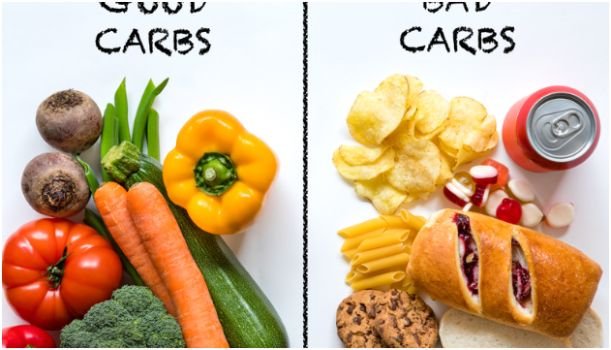
Carbs Do Not Automatically Cause Weight Gain
Carbohydrates became the villain because refined carbs are easy to overeat. That does not make all carbs bad. Whole grains, beans, vegetables, fruit, and oats provide fiber, vitamins, minerals, and steady energy.
Weight gain comes from a long-term calorie surplus, not one food group acting alone. Oatmeal with berries behaves differently from soda and a donut.
Six Small Meals Do Not Fire Up Your Metabolism
The “eat every two hours” rule sounds efficient, but meal frequency alone does not meaningfully boost metabolism. Digestion burns some calories, yet the total is tied mostly to total food intake.
Some people feel better with three meals. Others prefer smaller meals. The best pattern helps you manage hunger, energy, and food quality without obsessing.
Low-Fat Labels and Fresh Produce Claims Can Mislead You
Low-fat or fat-free does not always mean healthier. Brands often add sugar, sodium, starches, or thickeners to replace texture and flavor. I check the full label before trusting the package.
Fresh produce is not always superior either. Frozen fruits and vegetables are often picked near peak ripeness and frozen quickly. Frozen spinach, berries, peas, and mixed vegetables can reduce waste and make healthy meals easier.
Fitness and Wellness Myths That Waste Mental Energy

One Missed Workout Does Not Erase Progress
The all-or-nothing mindset turns fitness into punishment. One missed workout does not cancel a month of movement. One dessert does not ruin a balanced diet.
Progress comes from what you repeat most often. I treat off days as data, not failure.
Knuckle Cracking Is Not the Arthritis Villain
The popping sound from knuckle cracking comes from changes inside joint fluid. It is not bones grinding down. Research has not shown a clear link between knuckle cracking and arthritis. It may annoy people nearby, but annoyance is not a diagnosis.
Sugar Does Not Automatically Make Kids Hyperactive
This is one of the stickiest lifestyle myths people still believe, especially after birthday parties. Research has not shown that sugar directly causes hyperactivity in children. The setting often explains the behavior. Parties, costumes, sleep changes, excitement, and attention all matter.
That does not make high-sugar diets healthy. It only means “sugar rush” is often the wrong explanation.
Meditation Does Not Mean Emptying Your Mind
Many people quit meditation because they think they failed when thoughts appear. I used to think that too. A wandering mind is normal.
Meditation is the practice of noticing thoughts without chasing every one. Even two quiet minutes can help you pause before reacting.
Illness and Natural Remedy Myths Worth Questioning

Cold Weather Does Not Give You a Cold
Cold air does not create a cold virus. Viruses do. People often get sick more in colder months because they spend more time indoors, where respiratory viruses spread more easily.
A jacket keeps you comfortable. Handwashing, ventilation, sleep, and distance from sick people protect you better.
Natural Remedies Are Not Always Risk-Free
“Natural” sounds gentle, but it is not a safety label. Herbal supplements can interact with prescriptions, affect the liver, or vary in strength. If you take medication or manage a health condition, ask a qualified professional before adding supplements.
A plant compound can be powerful. That can be useful, risky, or both.
My Receipts-Before-Rituals Filter for Better Daily Choices
My personal test for lifestyle myths people still believe has three questions. Who benefits if I buy it? Does a credible source support it? Can I keep the habit without stress?
Morning water passes when I treat it as hydration. It fails when someone claims it melts fat. Frozen produce passes because it saves money, reduces waste, and supports nutrition. A detox kit fails because it sells urgency without proof.
FAQs About Lifestyle Myths People Still Believe
1. What are the most common lifestyle myths people still believe?
Common myths include detox cleanses, the 8-glasses water rule, carbs causing weight gain, sugar causing hyperactivity, and cold weather causing colds.
2. Is drinking water before coffee actually good for you?
Yes, it can help rehydrate you after sleep and may feel gentler on your stomach, but it is not a detox or weight-loss trick.
3. Are frozen vegetables less healthy than fresh vegetables?
No. Frozen vegetables can be just as nutritious because they are often frozen near peak ripeness.
4. Do detox diets really remove toxins from the body?
No strong evidence shows detox diets remove toxins better than normal liver and kidney function.
Retire the Myth, Keep the Habit
Lifestyle myths people still believe are not always ridiculous. Many contain one useful seed buried under dramatic claims. Water is good. Movement is good. Whole foods are good. Rest is good. The nonsense starts when simple habits get sold as shortcuts.
My next step is simple: keep the habit if it helps your real day, not your fantasy routine. Drink the morning water. Buy the frozen berries. Skip the detox drama. Your body does not need a wellness performance. It needs repeatable care.





Leave a Reply