
You’re trying to sleep. Desperately. Then, right there, inches from your skull, it starts. A faint, rhythmic scratching. You try to lie to yourself. It’s just the wind, you think. Just a tree branch hitting the vinyl. Then comes the scurrying. Fast. Frantic. Unmistakable.
Welcome to your nightmare. Real life hits fast: you’ve got freeloading roommates nesting in your drywall.
Look, sharing a roof with wild critters is pure psychological warfare. It breaks your sanity and, let’s be real, absolutely tanks your home equity and health. When those cheap, plastic hardware store traps do nothing and the midnight floorboard marathons won’t stop, you call the pros.
But if you’ve never had a wildlife tech show up at your door? You’re probably sitting there wondering what the hell happens next when the team from san antonio tx critter control pulls up.
Deciphering the Noises: What’s in Your Walls?
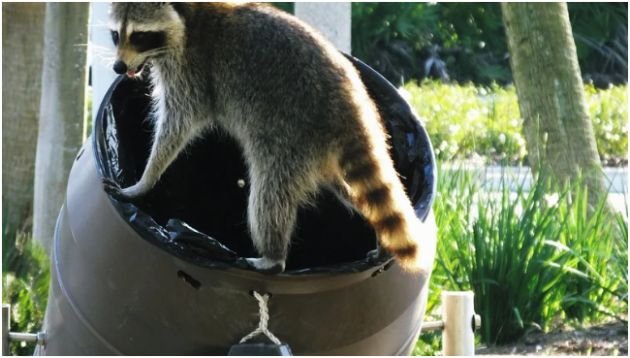
Even before the technology is used, the pattern of the sounds provides a huge hint about the type of animal you are dealing with. When you can hear loud thumping and chirping sounds at midnight, there is a possibility that a raccoon might be damaging your shingles.
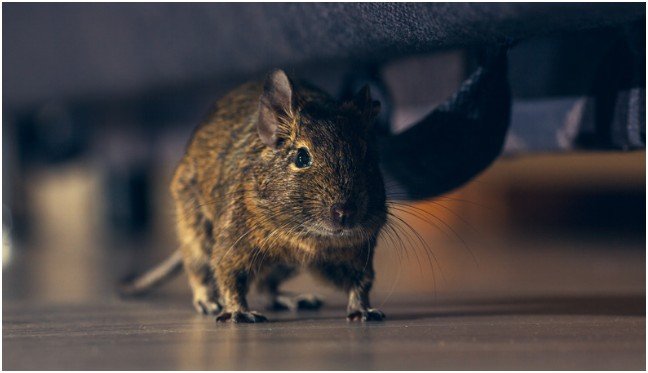
Loud scratching and running sounds made during the morning or late afternoon time indicate the presence of squirrels, whereas quiet and frenzied sounds at midnight indicate the presence of mice or rats.
1. The Initial Inspection: Finding the Culprits
These guys don’t just wing it.
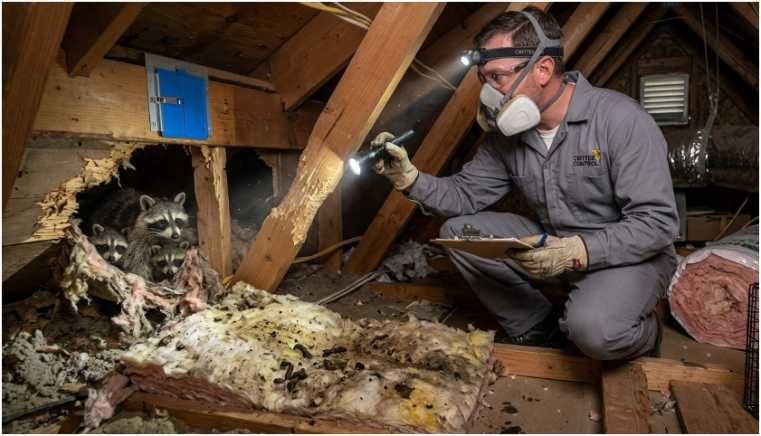
The whole circus kicks off with a brutal, top-to-bottom property interrogation. A specialist is going to crawl into your dark attic, squeeze through your crawl spaces, walk your steep rooflines, and poke around your foundation. They want hard evidence.
Mostly, they’re hunting for specific calling cards:
- Chewed drywall and gnawed structural beams.
- Fresh droppings and ugly urine stains.
- Torn-up, compressed fiberglass insulation.
The “Dime-and-Quarter” Rule: Here’s the thing about rodents. Mice can squeeze through a gap no bigger than a dime. Rats? A quarter. That’s it. Because of that, techs train their eyes to find the absolute smallest structural cracks you’d never notice.
2. Humane Removal and Trapping Techniques
Once the tech knows what’s breathing inside your walls, they build a custom hit and home safety checklist. The good companies avoid old-school, bloody methods. Nobody wants to deal with the biohazard trap mess when there is another option.
So, how does it work?
Instead of setting intimidating traps right inside your living room, they use exclusion doors. These clever little contraptions attach directly over the animal’s main highway out of your house. The critter wakes up, decides it’s time to find a snack, and pushes through the door. Click. The spring-loaded door locks behind them.
They’re out. They can’t get back in. Simple, smart, and nobody dies in your attic.
3. Damage Repair and Prevention (Exclusion)
But kicking them out is only half the battle.
Leave that hole open? Another animal family moves into that hot real estate before the sun goes down.
That’s where the “exclusion” phase comes in. Technicians seal every single weak spot using heavy-duty, monster-proof materials. We’re talking heavy-gauge galvanized steel mesh, thick metal flashing, and industrial polyurethane sealants that would break a rodent’s teeth.
Plus, they’ll give you some blunt advice to keep your house safe long-term. Like trimming your tree branches back at least six to eight feet from the roof. Stop giving these freeloaders a free launching pad.
Common Household Invaders: A Quick Guide
Different beasts cause different types of headaches. And getting rid of them? Completely different timelines. Here’s a quick reference on what the pros usually find up there:
| Pest Type | Common Entry Points | Main Risks & Damage | Typical Removal Time |
| Mice & Rats | Foundation cracks, pipe gaps, weep holes | Chewed electrical wires (major fire hazard), soiled insulation, rapid breeding | 3 to 7 days |
| Squirrels | Roof vents, eave gaps, damaged soffits | Gnawed structural wood, chewed wiring, ruined attic insulation | 2 to 4 days |
| Raccoons | Uncapped chimneys, compromised shingles | Severe structural destruction, torn HVAC ducts, roundworm risk | 3 to 5 days |
| Bats | Ridge vents, tiny roof gaps, fascia separations | Guano accumulation, histoplasmosis risk, terrible odors | 5 to 10 days |
4. Clean-Up and Sanitization
Let’s be completely honest here. The garbage wild animals leave behind isn’t just nasty. It’s a literal biohazard.
Feces, urine, fleas, mites, and weird pheromones baking in your attic can carry terrible respiratory diseases. Think Histoplasmosis. Think Hantavirus. Not good.
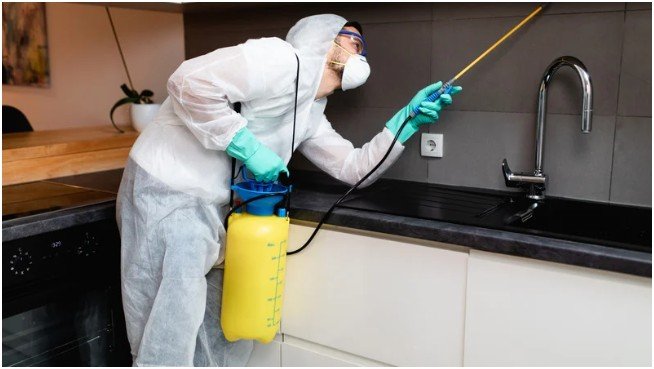
That’s why real wildlife removal always involves serious deep remediation.
The cleaning team dons their protective spacesuit-type gear and pulls out the old and smelly insulation. They spray the whole house with biodegradable enzymes, which will eat away at all of the organic waste material. This will not only remove the smell using eco-friendly cleaning products but also destroy any pheromone markers that attract more pests to your home.
Final Thoughts
The unknown sounds that come from your walls make your very own home seem like an unfriendly place. This really stinks. However, you do not have to go through this battle alone, as professionals deal with the entire job for you, from the rooftop down to the chemicals.
If you think someone is scratching inside your house, don’t sit on your hands. Waiting turns a minor noise into thousands of dollars in chewed beams and ruined wiring. Ready to take your house back? If you need professional, reliable assistance, reach out to the local experts at san antonio tx critter control today for a full property assessment.



Leave a Reply