
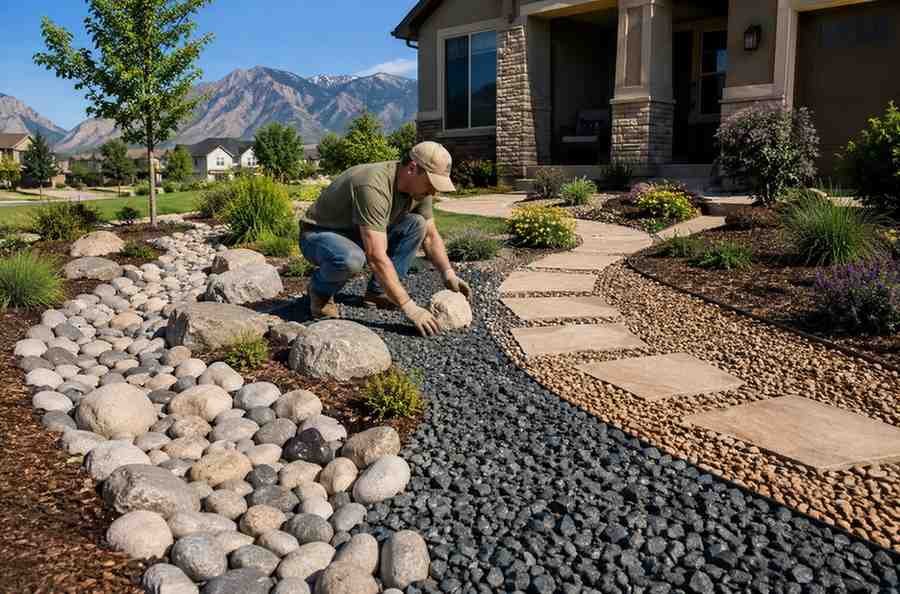
Selecting the right stone is not just a design choice. In Utah, it is also a performance decision. The same yard can need rock that sheds water efficiently, supports foot traffic, and still looks finished in planting beds. That is why landscape rock Utah buyers should think in terms of function first, then appearance, rather than treating all rock as interchangeable.
Granite Landscape Centers works in that practical middle ground. As a local supplier in Cottonwood Heights on Wasatch Blvd, Granite Landscape Centers offers bulk rock options that help homeowners and contractors solve real site problems without giving up visual quality.
Start With the Job, Not Just the Color
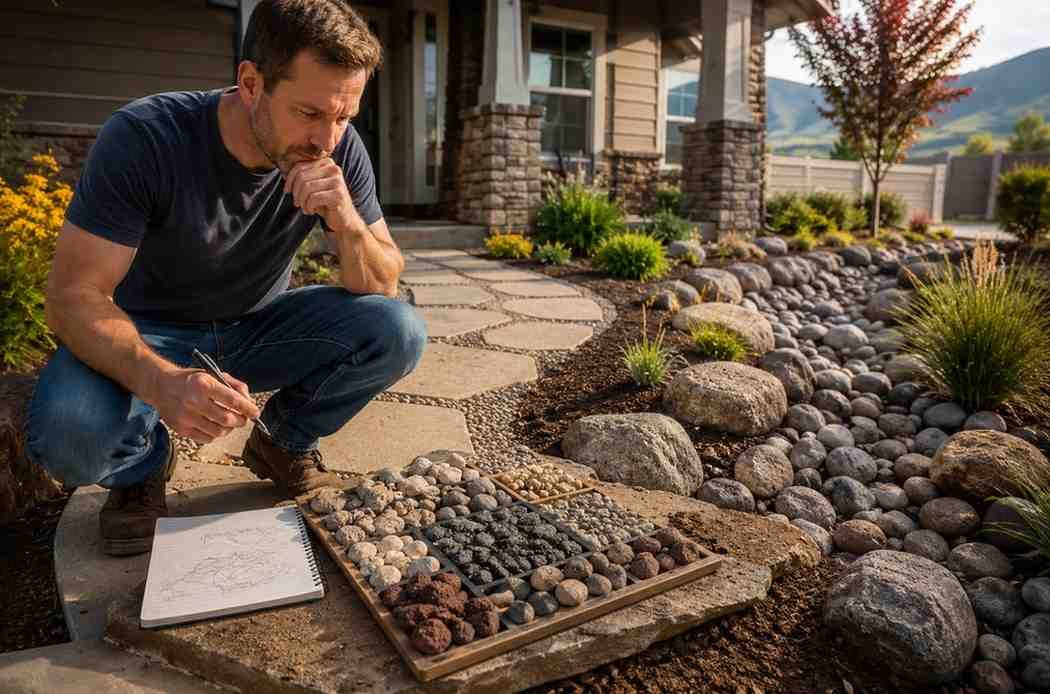
The most common mistake is choosing rock by looks alone. A smooth cobble may look ideal in a display bed, but it may not perform well in a pathway base. A crushed material may lock together beautifully for stability, but it may not create the same polished effect in a decorative border. The best results come from matching stone shape and size to the work the rock has to do.
That means asking a few simple questions before ordering:
- Will the rock move water, or sit mainly as a finish layer?
- Will people walk on it regularly?
- Does the area need a stable surface or a softer decorative effect?
- Is the goal erosion control, visual contrast, or both?
Once those questions are answered, the right category usually becomes clearer. Granite Landscape Centers helps buyers sort through those distinctions by offering both functional and decorative materials in bulk, which is especially useful when one project has more than one zone.
Drainage Rock Needs to Move Water, Not Fight It
Drainage is where rock selection becomes especially technical. For runoff channels, downspout areas, and low spots that collect water, angular crushed stone tends to outperform rounded material because it interlocks and stays put. That creates a more dependable surface under changing moisture conditions.
Why Angular Rock Performs Better
Crushed rock is useful because its jagged edges let the pieces hold each other in place. In a drainage application, that matters more than appearance. Water should pass through the voids between stones, while the rock bed remains structurally sound. In Utah’s freeze-thaw cycles, that stability can make a real difference in how often a drainage area needs correction.
Products like 3/4″ minus are often considered when the job needs a tighter, more compactable stone with smaller particles mixed in. That fine material can help create a firmer base in the right setting. For projects where movement control matters, that kind of mix is often more practical than decorative cobble.
When Rounded Stone Still Makes Sense
Rounded cobbles have their place, too. In dry creek beds and surface channels where the goal is to guide water while keeping a natural look, a smoother stone can be the better visual choice. Materials such as Glacier Cobble can create a finished drainage feature that feels intentional rather than utilitarian.
The key is understanding that drainage rock is not a single product category. At Granite Landscape Centers, the choice may come down to whether the project needs compaction, flow, visual softness, or all three in different layers.
Pathways Depend on Stability, Comfort, and Maintenance
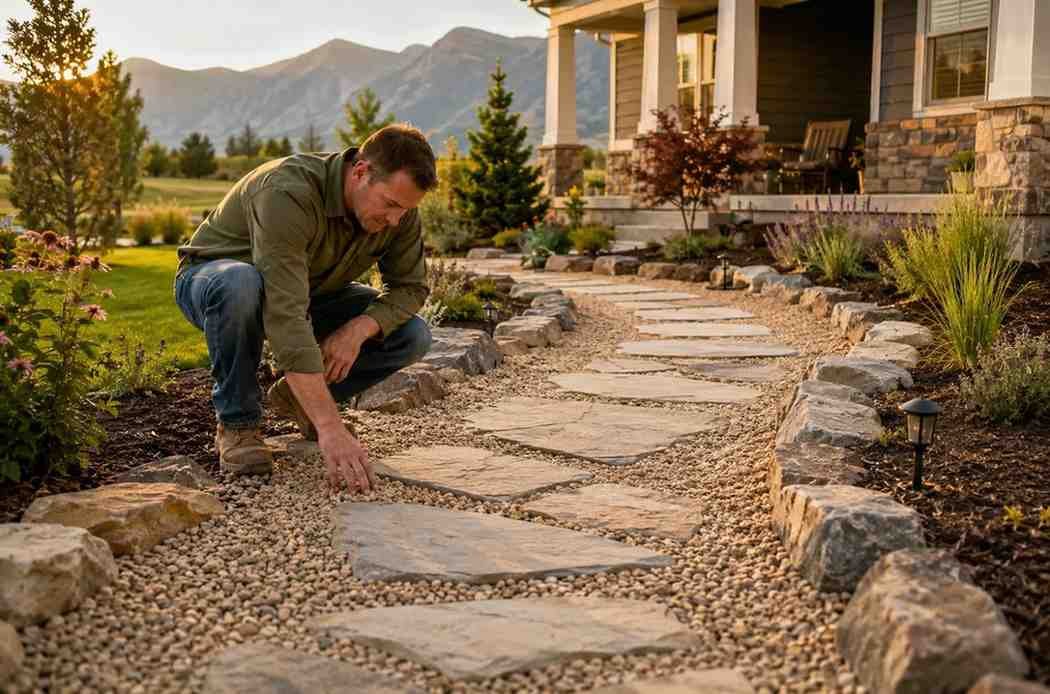
Paths are where people feel the difference between stone types immediately. A beautiful path that shifts underfoot becomes a maintenance problem. A path that locks together but feels harsh to walk on may be structurally sound, but unpleasant. Strong path design balances traction, movement, and edge control.
For many walkways, crushed rock is preferred because it creates a more stable walking surface than round pebbles. The irregular edges help reduce migration. That is especially helpful in garden paths, side yards, and utility routes where the path needs to stay defined over time. If the area will see regular foot traffic, stability matters as much as style. It is also worth considering these areas as part of a broader home safety checklist for families, since stable walkways can help reduce slips and trips around the property.
Depth also matters here, and it is not universal. Smaller crushed materials may be installed in a thinner layer than larger decorative stone, while 3/4″ rock often calls for a deeper application than fine rock dust. In practical terms, a path should be designed around the rock size, the base conditions, and how much traffic the area will receive. A one-size-fits-all depth recommendation is rarely the best approach.
Granite Landscape Centers is well-positioned for this kind of planning because buyers can compare pathway-friendly material with other bulk options in one place instead of mixing products from multiple suppliers.
Decorative Beds Should Work as Hard as They Look Good
Decorative beds are where many people focus on color first, but long-term satisfaction depends on more than color. The best decorative stone should suppress weeds better than loose organic material, resist breakdown, and maintain its appearance through weather shifts. In Utah, that often makes rock a more durable alternative to mulch in high-exposure areas.
For a decorative bed, the stone should complement the architecture and the planting design, but it also has to stay visually consistent through the season. That is one reason people compare Black Lava, Desert Pearl, Desert Rose Utah rock, Gunsmoke, and similar materials. These products create different visual effects, from dark contrast to bright, reflective tones to more earthy regional character.
How Shape Changes the Visual Outcome
Shape affects more than drainage. It affects mood.
- Cobble feels softer and more natural.
- Crushed stone feels sharper and more modern.
- Lava rock adds texture and contrast.
- Mixed-color decorative rock creates a more dynamic surface.
In a front bed, a smooth, uniform cobble may read as calm and finished. Around a native planting palette, a more textured rock can support the landscape style without competing with it. Granite Landscape Centers offers enough range that the same property can use different stones in different zones while keeping the overall design coherent.
Bulk Buying Makes Planning More Accurate

Landscape rock is usually sold by weight or volume, and that matters more than many first-time buyers expect. Granite Landscape Centers sells bulk landscape materials by the ton or cubic yard, which is the right way to think about larger projects. Many decorative rocks weigh roughly 2,600 pounds, or about 1.3 tons, per cubic yard, though the exact weight varies by material and moisture content.
That estimate helps with planning, but it should not replace a product-specific conversation. A one-product order for a narrow path may be easy to estimate. A combined-product order, such as drainage stone in one area and decorative cobble in another, needs more careful calculation. Different stone sizes cover differently, settle differently, and perform differently over time.
A smart bulk order usually accounts for:
- The total area being covered
- The intended depth for each zone
- Whether the material is decorative, structural, or both
- The likelihood of settling after installation
- Whether the project uses one product or multiple products together
This is where working with a local supplier like Granite Landscape Centers adds value. The team can help match material type to use case instead of forcing a single rock selection across the whole yard.
Why Local Supply Matters More Than Most Buyers Realize
Utah landscapes are not generic, and neither are the material decisions behind them. A supplier that understands local conditions is more useful than one that only offers a broad catalog. Granite Landscape Centers, based in Cottonwood Heights, brings that local context to the selection process while still offering a wide range of stone types, from regional basalt to specialty cobbles and decorative blends.
That local perspective matters for three reasons. First, the materials need to suit Utah conditions, including sun exposure, freeze-thaw cycles, and water management concerns. Second, buyers often need to compare aesthetics in person before committing to bulk quantities. Third, delivery and pickup logistics become easier when the supplier is close enough to support both options.
For many projects, the difference between an okay result and a satisfactory result comes down to this kind of practical coordination. Granite Landscape Centers is built for that kind of purchase, where the stone is only part of the decision and timing, quantity, and installation intent all matter too.
Choosing the right rock is really about making the landscape easier to live with after the work is done. Drainage should move water cleanly. Paths should stay stable. Decorative beds should hold their shape and support the design. When those goals guide the purchase, landscape rock Utah customers get more than a surface treatment. They get a material system that actually fits the property.
That is the real advantage of buying from Granite Landscape Centers: the selection is broad, the use cases are clear, and the guidance is grounded in how Utah landscapes actually perform.




Leave a Reply