

When I first looked for a Beginner’s Guide to Gut Health, I wanted something simple, practical, and not overloaded with confusing science. Gut health can sound complicated, but for most people, it starts with everyday habits: what you eat, how you sleep, how much you move, how you manage stress, and how consistently you care for your digestion.
A healthy gut is not about following a perfect diet or buying every supplement online. It is about creating a balanced routine that supports digestion, energy, immunity, and overall comfort. If you often feel bloated, sluggish, irregular, or uncomfortable after meals, your gut may be asking for more attention.
What Is Gut Health?
Gut health refers to how well your digestive system works and how balanced your gut microbiome is. The gut microbiome is the community of bacteria, fungi, and other microorganisms living in your digestive tract. Some of these microbes help break down food, support nutrient absorption, protect the gut lining, and influence immune function.
A healthy gut usually means you digest food comfortably, have regular bowel movements, feel less bloated, and recover well after meals. An unhealthy gut may show up through gas, constipation, diarrhea, fatigue, food sensitivity, poor sleep, or frequent stomach discomfort.
Why Gut Health Matters Beyond Digestion
Your gut does more than process food. It is connected to your immune system, metabolism, mood, and energy levels. That is why gut problems can affect how you feel throughout the day.
When your gut is supported with enough fiber, fluids, plant foods, and regular habits, digestion becomes smoother. You may also notice better appetite control, fewer heavy meals that leave you tired, and a more stable daily routine. Good gut health is not a quick fix, but small changes can make a real difference when done consistently.
Common Signs Your Gut Needs Support
Your gut may need more care if you regularly deal with bloating, stomach cramps, constipation, loose stools, acid reflux, or discomfort after eating. Some people also notice low energy, cravings, poor sleep, or feeling overly full after small meals.
These signs do not always mean something serious, but they are worth paying attention to. If symptoms are intense, long-lasting, or include blood in stool, unexplained weight loss, severe pain, fever, or ongoing diarrhea, it is important to speak with a qualified healthcare professional.
Best Foods for Better Gut Health
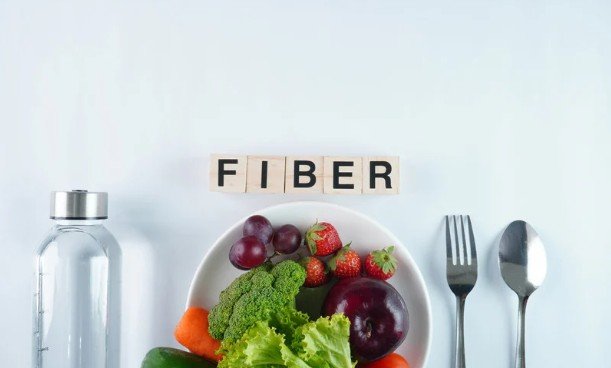
The best gut-friendly foods are usually simple, whole, and rich in nutrients. Instead of focusing on one miracle food, aim for variety.
Fiber-Rich Foods
Fiber helps support regular bowel movements and feeds beneficial gut bacteria. Good choices include oats, brown rice, beans, lentils, apples, berries, chia seeds, vegetables, and whole-grain bread. If you do not eat much fiber now, increase it slowly. Adding too much fiber too quickly can cause gas or bloating.
Fermented Foods
Fermented foods can add helpful bacteria to your diet. Common options include yogurt with live cultures, kefir, sauerkraut, kimchi, miso, and kombucha. Choose low-sugar versions when possible, especially with yogurt and drinks.
Prebiotic Foods
Prebiotics are types of fiber that feed good gut bacteria. Foods like bananas, onions, garlic, asparagus, oats, apples, and legumes can support a healthier microbiome. If you have a sensitive stomach, introduce these foods gradually.
Hydrating Foods and Drinks
Water helps digestion move smoothly. Soups, fruits, vegetables, and herbal teas can also support hydration. If you increase fiber but do not drink enough fluids, constipation may become worse.
Foods and Habits That Can Hurt Gut Health
Some foods and habits can make digestion harder, especially when they become part of your daily routine. Greasy fried foods, excess alcohol, very sugary snacks, ultra-processed meals, and large late-night dinners may trigger discomfort for many people.
Spicy foods, garlic, onions, dairy, or high-fat meals can also bother some people, depending on their sensitivity. This does not mean everyone must avoid them. The better approach is to notice your own patterns. Keep a simple food and symptom note for one week if you often feel bloated or uncomfortable.
Simple 7-Day Gut Health Starter Plan
Start with small actions instead of changing everything at once. On day one, drink more water and add one fiber-rich food to breakfast. On day two, add a serving of vegetables to lunch. On day three, try yogurt, kefir, or another fermented food. On day four, take a short walk after a meal, and keep low calorie snacks for weight loss ready so healthier choices feel easier throughout the day.
On day five, reduce one heavily processed snack. On day six, eat dinner a little earlier. On day seven, review what made you feel better. This easy plan works because it focuses on consistency. You do not need to eat perfectly. You just need to give your gut more support than stress.
Lifestyle Habits That Support Digestion

Food matters, but lifestyle matters too. Sleep helps the body repair and regulate appetite. Stress can affect digestion and may trigger bloating, cramps, or changes in bowel habits. Even a few minutes of deep breathing, stretching, or walking can help calm the body.
Movement is also important. A short walk after meals may support digestion and reduce that heavy, sluggish feeling. Eating slowly helps too. When you chew well and avoid rushing, your stomach has an easier job.
Do You Need Probiotic Supplements?
Probiotic supplements are popular, but they are not always necessary for beginners. Many people can start with food first. Yogurt, kefir, and fermented vegetables are simple options. Supplements may help some people, but they should be chosen carefully.
If you have a weakened immune system, a serious illness, or ongoing digestive problems, talk to a healthcare professional before taking probiotics. Not every supplement is high quality, and not every strain works the same way.
How to Build a Gut-Friendly Plate
A gut-friendly plate does not need to be fancy. Start with half a plate of vegetables or fruit, add a source of protein, include a whole grain or starchy vegetable, and add a healthy fat such as avocado, olive oil, nuts, or seeds.
Examples include oatmeal with berries and chia seeds, brown rice with beans and vegetables, Greek yogurt with fruit, or grilled fish with potatoes and greens. The goal is balance, not restriction.
Frequently Asked Questions
1. What is a Beginner’s Guide to Gut Health supposed to include?
It should explain gut basics, signs of poor digestion, gut-friendly foods, lifestyle habits, and simple steps beginners can start safely.
2. How long does it take to improve gut health?
Some people feel better in a few days, but deeper changes usually take several weeks of consistent eating and lifestyle habits.
3. What is the best food for gut health?
There is no single best food. Fiber-rich plants, fermented foods, whole grains, fruits, vegetables, beans, and lentils all support gut health.
4. Can stress affect gut health?
Yes, stress can affect digestion, appetite, bloating, bowel habits, and stomach comfort, so relaxation and sleep are important.
Final Thoughts
I believe gut health becomes much easier when you stop chasing quick fixes and start with small daily choices. Add more fiber slowly, drink enough water, eat more whole foods, try fermented foods, move after meals, sleep better, and listen to your body.
You do not need a perfect routine to feel better. You need a realistic one. When you build habits that support digestion every day, your gut has a better chance to work the way it should.




Leave a Reply