
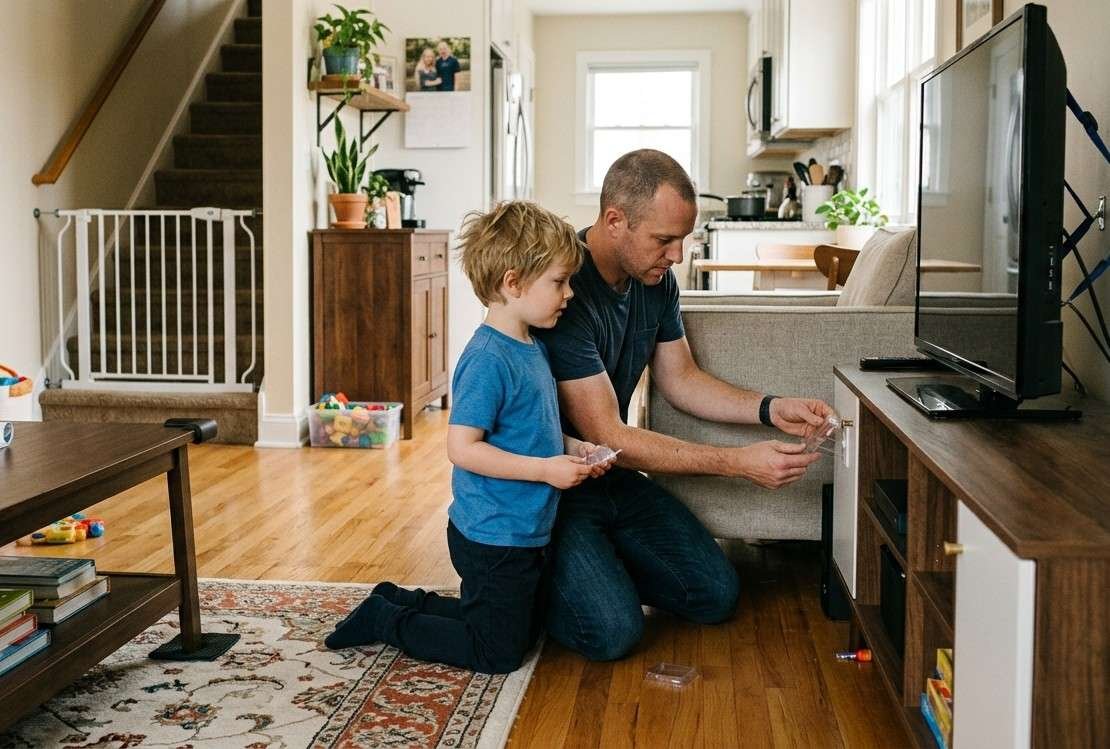
A safe home is not only about strong locks or a camera by the front door. It is about noticing small risks before they become emergencies. When I use a home safety checklist for families, I walk through each room the way a child, older parent, pet, guest, or tired adult might use it.
For families in the US, a complete household safety checklist should cover fire prevention, carbon monoxide safety, childproofing, poison control, fall prevention, water safety, electrical safety, home security, and emergency preparedness.
What Should Families Check First at Home?
Start with the items that protect everyone. Place smoke alarms inside bedrooms, outside sleeping areas, and on every level. Keep carbon monoxide detectors near sleeping areas, especially if your home has gas appliances, a fireplace, or an attached garage. Test alarms monthly.
Every family also needs a fire escape plan. Walk through two ways out of each room, choose an outdoor meeting spot, and practice with children. Keep emergency contacts visible, including 911, Poison Control, doctors, relatives, neighbors, school contacts, and your insurance provider.
Fire and Carbon Monoxide Safety Checklist
Fire safety belongs in every family home safety checklist because many hazards hide in normal routines. Keep fire extinguishers in the kitchen, garage, and near fireplaces, and make sure adults know how to use them. Avoid overloaded outlets and keep space heaters away from curtains, bedding, rugs, and furniture.
Carbon monoxide is dangerous because you cannot see or smell it. Never run a generator inside the house, garage, basement, or near open windows. Do not warm a car in an attached garage.
How Can You Make the Kitchen Safer?
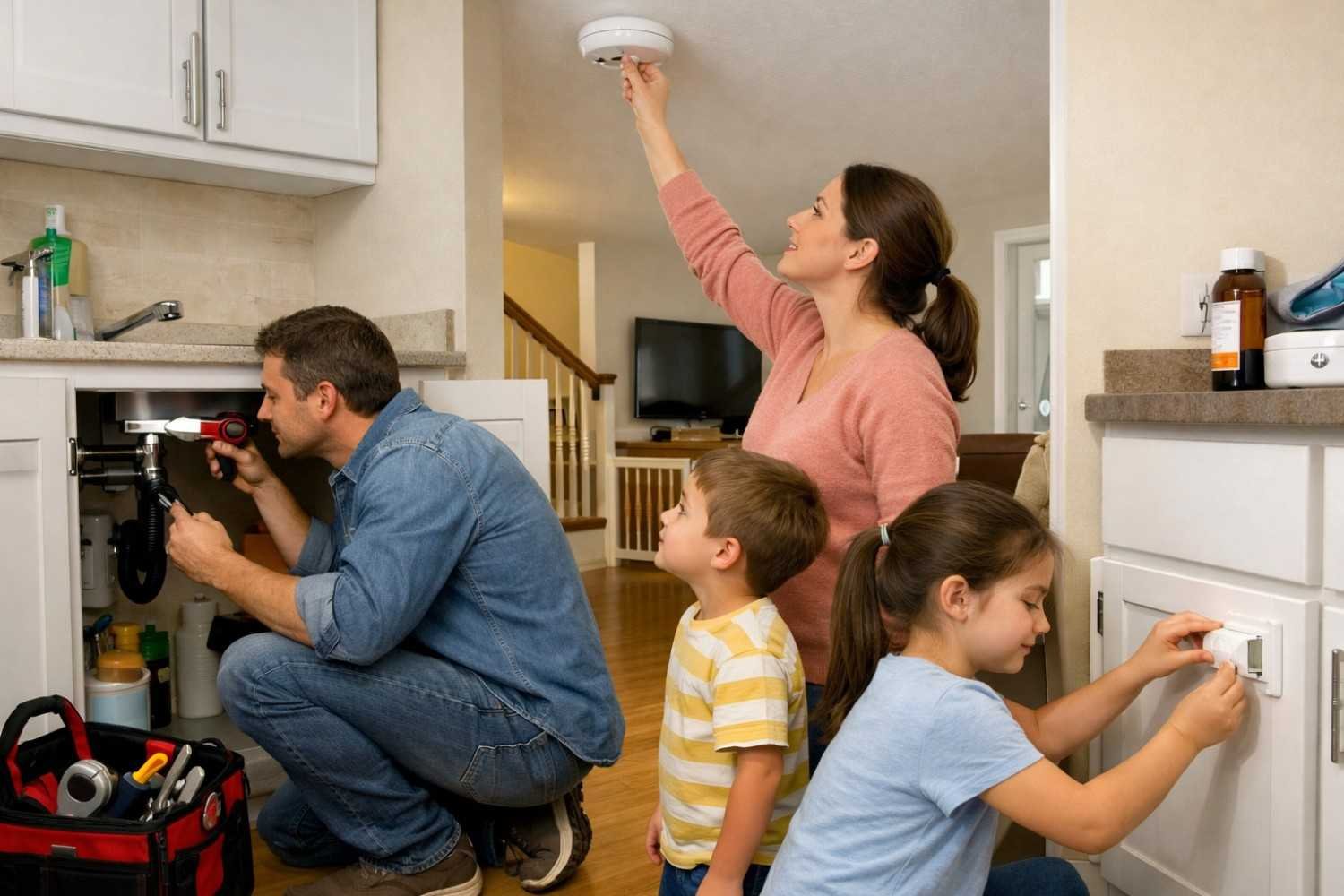
The kitchen is one of the busiest rooms in the home. Store knives, matches, lighters, glass items, cleaning products, and small appliances out of children’s reach. Use cabinet locks for lower cabinets that hold chemicals or sharp tools.
Turn pot handles toward the back of the stove, keep towels away from burners, and consider stove knob covers if toddlers visit. Check expiration dates, separate raw meat, and store choking hazards such as grapes, nuts, popcorn, hard candy, and small snacks carefully.
Bathroom and Water Safety Checklist
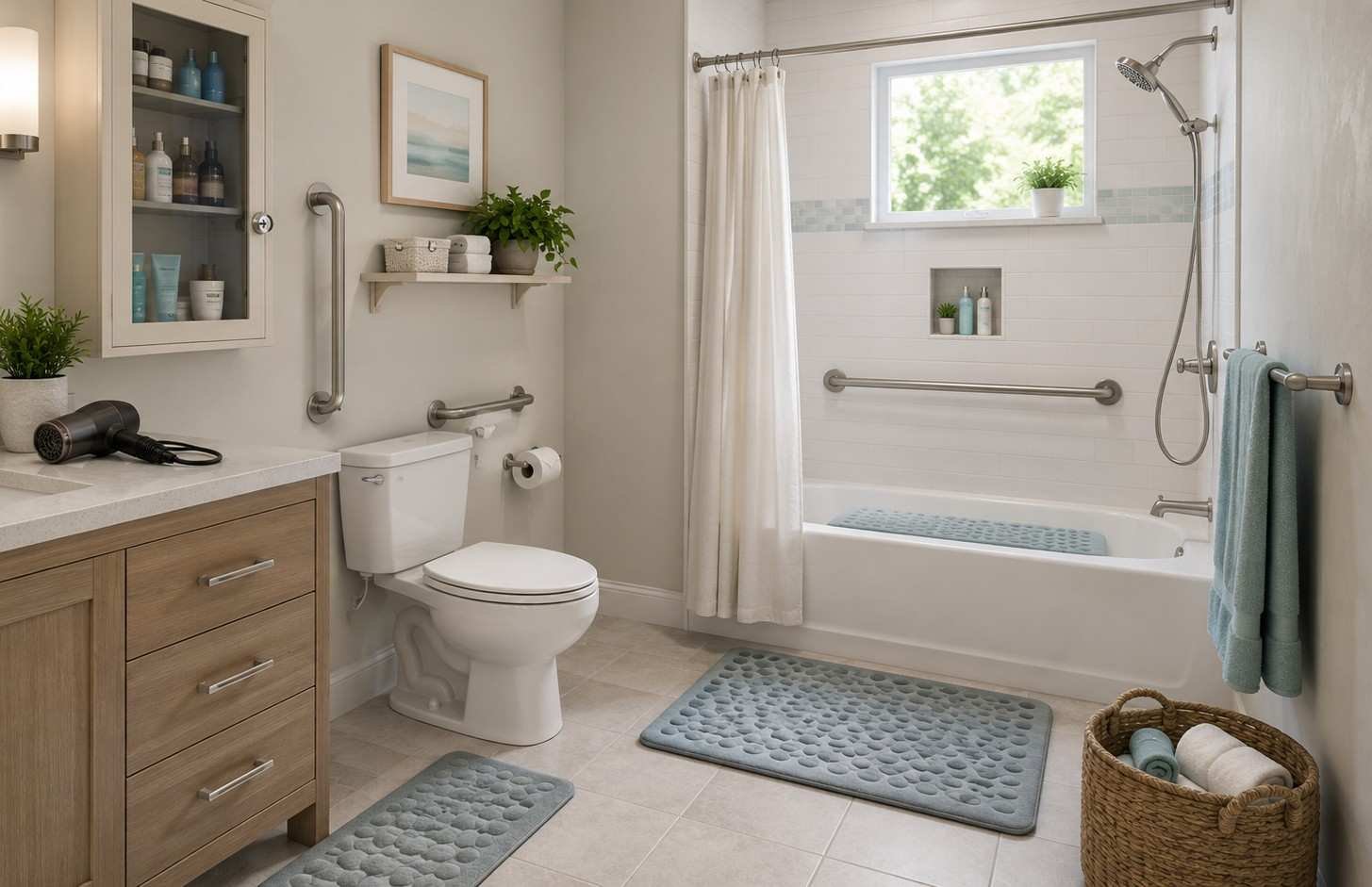
Bathrooms combine water, slippery floors, medicine, cleaning products, and electrical devices. Use non-slip mats inside and outside the tub. Add grab bars if children, older adults, or anyone with mobility concerns uses the bathroom often. Keep razors, cosmetics, mouthwash, medications, and cleaning sprays locked away or stored high.
Never leave babies or young children alone in the bathtub, even for a moment. Unplug styling tools after use, and check your water heater setting to reduce burn risks.
Childproofing Checklist for Babies and Toddlers
Childproofing should begin before a baby crawls. Cover unused outlets, secure loose cords, and remove small objects from low surfaces. Button batteries, magnets, coins, jewelry, toy parts, and small household items can become choking hazards.
Anchor dressers, bookshelves, TVs, and heavy furniture to the wall. Furniture tip-overs can happen fast. Use safety gates at the top and bottom of stairs, move furniture away from windows, keep blind cords out of reach, and make sure window locks or guards still allow emergency escape.
Bedroom, Living Room, and Fall Prevention Tips
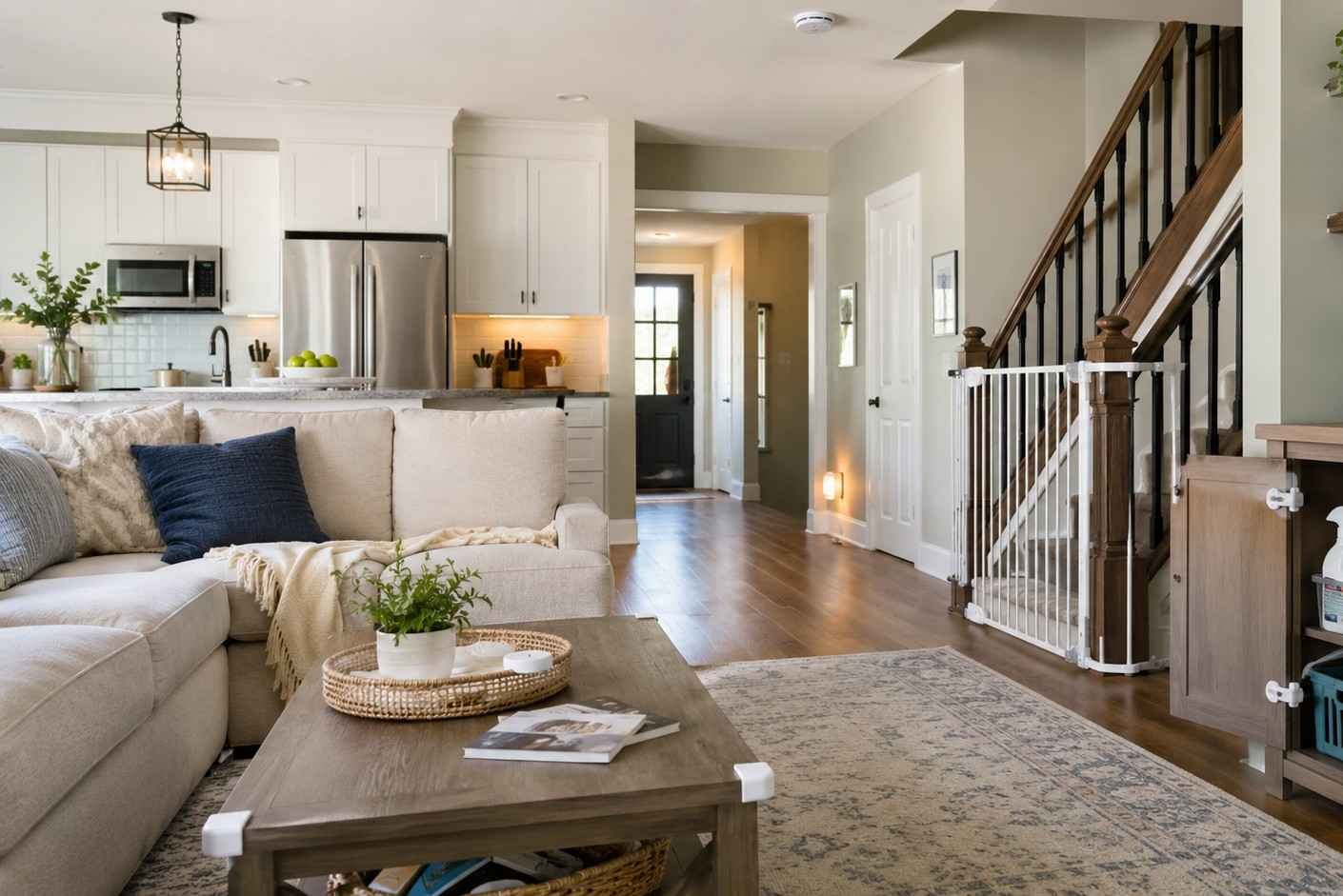
Bedrooms and living rooms should feel comfortable, but they still need safety checks. Keep walkways clear of toys, shoes, bags, and laundry. Use nightlights in hallways, bathrooms, and children’s rooms. Secure rugs with non-slip backing or rug tape.
In a baby’s room, keep the crib free from pillows, loose blankets, stuffed animals, and soft bedding. In shared spaces, check corners, lamps, cords, entertainment centers, and toy storage. For older adults, reduce fall risks with brighter lighting, sturdy handrails, fewer loose rugs, and clear paths.
Poison, Medicine, and Cleaning Product Safety
Poison prevention is one of the most important home safety tips for families. Store medicine, vitamins, supplements, laundry pods, cleaners, pesticides, alcohol, and automotive fluids in locked cabinets or high shelves. Do not leave medicine in purses, backpacks, nightstands, or guest rooms.
Keep products in original containers. Never mix cleaning chemicals, especially bleach with ammonia or other cleaners. Teach children that medicine is not candy.
Outdoor, Garage, Pool, and Home Security Checks
Outdoor areas need the same attention as indoor rooms. Store tools, gasoline, paint, lawn chemicals, and sharp equipment in locked areas. Secure ladders and unplug power tools when not in use. Check porch steps, driveways, decks, and walkways for poor lighting or tripping hazards.
If your home has a pool, use secure fencing, self-latching gates, rescue equipment, and active adult supervision. For home security, check door locks, window locks, exterior lighting, garage access, and smart-device passwords.
Emergency Preparedness Checklist for Families
A family emergency kit should include water, nonperishable food, flashlights, batteries, first aid supplies, medications, phone chargers, hygiene items, pet supplies, and key documents. Create a family communication plan in case phones fail.
I also recommend a quick monthly walkthrough and a deeper seasonal review. Replace alarm batteries, clean dryer vents, inspect locks, update emergency contacts, and refresh expired supplies.
Frequently Asked Questions (FAQs)
1. What is the first thing to check for home safety?
Start with smoke alarms, carbon monoxide detectors, exits, poison storage, fall hazards, and childproofing risks.
2. How do I make my home safer for toddlers?
Anchor furniture, use stair gates, lock medicines and cleaners, cover outlets, remove choking hazards, and secure windows.
3. What should a family emergency kit include?
Include water, food, flashlights, batteries, first aid supplies, medications, chargers, hygiene items, pet supplies, and key documents.
4. How often should families inspect their home?
Do a quick monthly review and a deeper seasonal inspection.
Final Thoughts
I believe a safer home starts with awareness, not fear. Start with the biggest hazards, move room by room, and build simple habits your family can maintain. A home safety checklist for families helps you protect children, adults, pets, guests, and older loved ones while keeping your home comfortable and livable.
Choosing safer materials, such as clean air paint for homes, can also support a healthier indoor environment.




Leave a Reply