
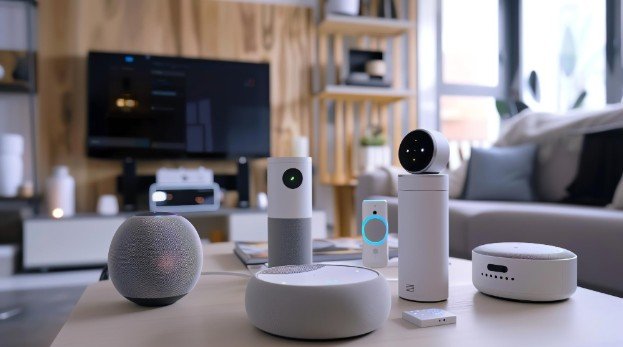
Smart home devices were just fancy gadgets until I realized how much time they can save in small everyday moments. How Smart Home Devices Make Life More Convenient comes down to one simple idea: your home starts handling repetitive tasks before they turn into daily stress.
From switching off lights to adjusting the temperature, checking the front door, or starting a morning routine, smart technology helps make ordinary living feel easier, safer, and more comfortable.
What Are Smart Home Devices?
Smart home devices are connected products that can be controlled through a phone, voice assistant, app, sensor, or automation system. These devices may include smart speakers, lights, thermostats, plugs, doorbells, locks, cameras, appliances, and home security sensors.
The real value is not just remote control. It is the way these devices work together. A smart light can turn on when a motion sensor detects movement. A thermostat can adjust when you leave home. Smart doorbell cameras can show you who is outside even when you are not near the door. These small actions reduce effort and help your home respond to your routine.
How Smart Home Devices Simplify Daily Routines
The biggest reason people choose smart home automation is convenience. A busy morning can feel smoother when lights turn on gradually, the thermostat warms the room, and a voice assistant gives reminders before you leave. At night, one command can lock doors, dim lights, lower the temperature, and turn off unused devices.
This kind of home automation saves more than a few seconds. It removes repeated decisions. Instead of checking every room before bed, you can use one app or voice command. Instead of wondering whether you left a lamp on, you can check from your phone. These small improvements make the home feel more organized without adding extra work.
Smart Home Devices That Save Time at Home
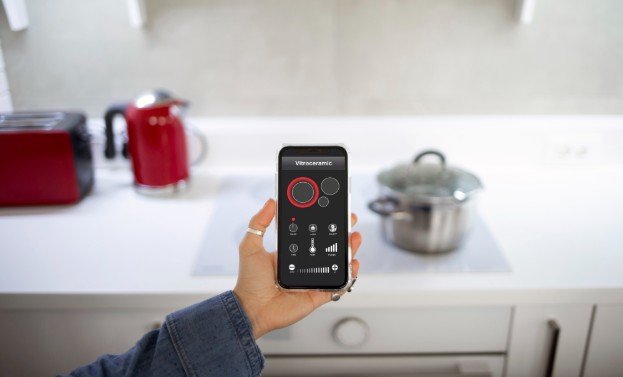
Smart speakers and voice assistants are often the easiest place to start. They help set timers, play music, control other devices, answer quick questions, and manage reminders while your hands are busy. For people who cook, work from home, or manage family schedules, voice control can be surprisingly useful.
Smart lights and smart plugs make everyday control easier. You can schedule lights to turn on at sunset, switch off lamps from bed, or control appliances that are plugged into smart outlets. These devices are also helpful for renters because they usually do not require major installation.
Smart thermostats add comfort and energy control. They can learn your schedule, adjust heating and cooling, and reduce waste when no one is home. Over time, this can support better energy efficiency and help avoid unnecessary utility costs.
Smart lock systems and video doorbells improve convenience at the entryway. You can let in a trusted visitor, check a delivery, or confirm the door is locked without walking back across the house. For families, this can make school pickups, service appointments, and package deliveries less stressful.
Smart appliances and sensors can also reduce daily effort. Leak sensors can warn you before water damage becomes serious. Smart smoke detectors can send alerts to your phone. Smart washers, ovens, refrigerators, and vacuums can help manage household tasks with less manual tracking.
How Smart Home Devices Improve Safety and Peace of Mind
Convenience is important, but safety is one of the strongest smart home benefits. Cameras, door sensors, smart locks, motion detectors, and video doorbells help homeowners keep a closer eye on the property.
The advantage is real-time awareness. You can receive alerts when someone approaches the door, when a garage is left open, or when motion is detected in a certain area. Just like a beginners guide to using AI tools helps people make smarter decisions with technology, smart home alerts add another layer of control without replacing common sense.
For parents, smart devices can help monitor entry points and keep routines on track. For older adults, voice assistants and automated lighting can reduce the need to move around in the dark. For frequent travelers, remote access can make it easier to check on the home while away.
How Smart Devices Help Reduce Energy Waste
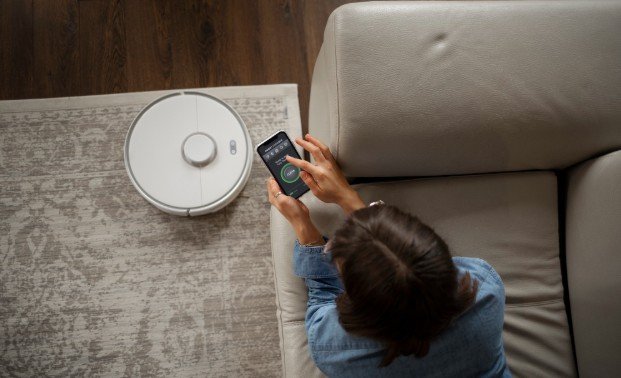
A smart home can also support better energy habits. Smart thermostats, plugs, lighting systems, and irrigation controllers can help reduce unnecessary use. Lights can turn off when rooms are empty. Heating and cooling can adjust based on occupancy. Outdoor watering can follow schedules instead of running without thought.
Energy savings depend on the devices used and how they are set up, but the biggest benefit is visibility. When you can see and control energy use more clearly, it becomes easier to avoid waste. That makes smart devices useful for both comfort and long-term household efficiency.
Why Smart Homes Are Useful for Busy Families and Seniors
Smart devices are not only for tech lovers. They can help anyone who wants a simpler home routine. Busy families can use smart speakers for reminders, smart locks for easier entry, and cameras for delivery checks. Remote workers can automate lighting, temperature, and focus settings for a better workspace.
Seniors may benefit from voice control, activated lighting controls, medication reminders, smart doorbells, and safety alerts. These features can support independence while reducing small risks around the home. The best smart home setup is not the most expensive one. It is the one that solves real daily problems.
How to Start Building a Smart Home Without Overspending
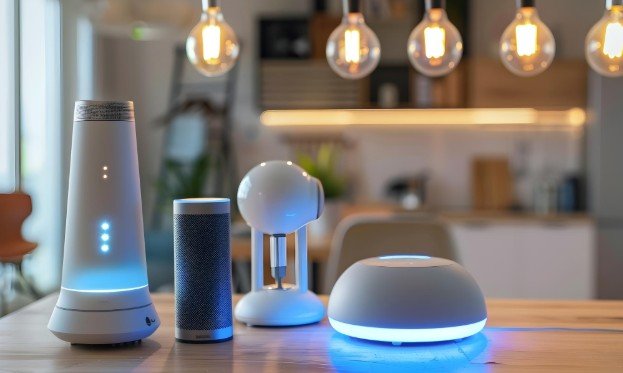
A smart home does not need to begin with a full system. The smartest approach is to start with one daily frustration. If you hate getting out of bed to switch off lights, start with smart bulbs or plugs. If energy bills feel high, consider a smart thermostat. If package theft or missed visitors are concerns, a video doorbell may be the best first step.
After choosing one device, make sure it works with your phone, Wi-Fi, and preferred voice assistant. Compatibility matters because the long-term goal is to make devices work together. Buying slowly also helps you avoid clutter, unused gadgets, and confusing apps.
Smart Home Privacy and Security Tips
Smart home convenience works best when privacy is taken seriously. Use strong passwords, avoid reusing the same password across apps, and turn on two-factor authentication whenever possible. Keep device software updated because updates often fix security issues.
It is also smart to review privacy settings in each app. Turn off features you do not use, limit unnecessary sharing, and choose trusted brands with clear security practices. A separate Wi-Fi network for smart devices can also add another layer of protection.
Frequently Asked Questions
1. Are smart home devices worth it?
Yes, smart home devices are worth it when they solve a real problem such as saving time, improving safety, reducing energy waste, or making daily routines easier.
2. What smart home device should I buy first?
A smart speaker, smart plug, smart bulb, video doorbell, or smart thermostat is usually a good first choice because each one offers clear everyday value.
3. Do smart home devices save money?
They can help save money when used for energy control, especially through smart thermostats, scheduled lighting, smart plugs, and better monitoring of household usage.
4. How Smart Home Devices Make Life More Convenient?
They make life easier by automating routine tasks, giving remote control, improving home security, saving energy, and reducing small daily decisions.
Final Thoughts
I believe smart home technology is most useful when it quietly removes stress from everyday life. How Smart Home Devices Make Life More Convenient is not about filling a house with gadgets.
It is about making lights, locks, temperature, appliances, reminders, and security work around your routine instead of the other way around. When chosen carefully, smart devices can create a home that feels easier to manage, safer to live in, and more comfortable every day.




Leave a Reply