
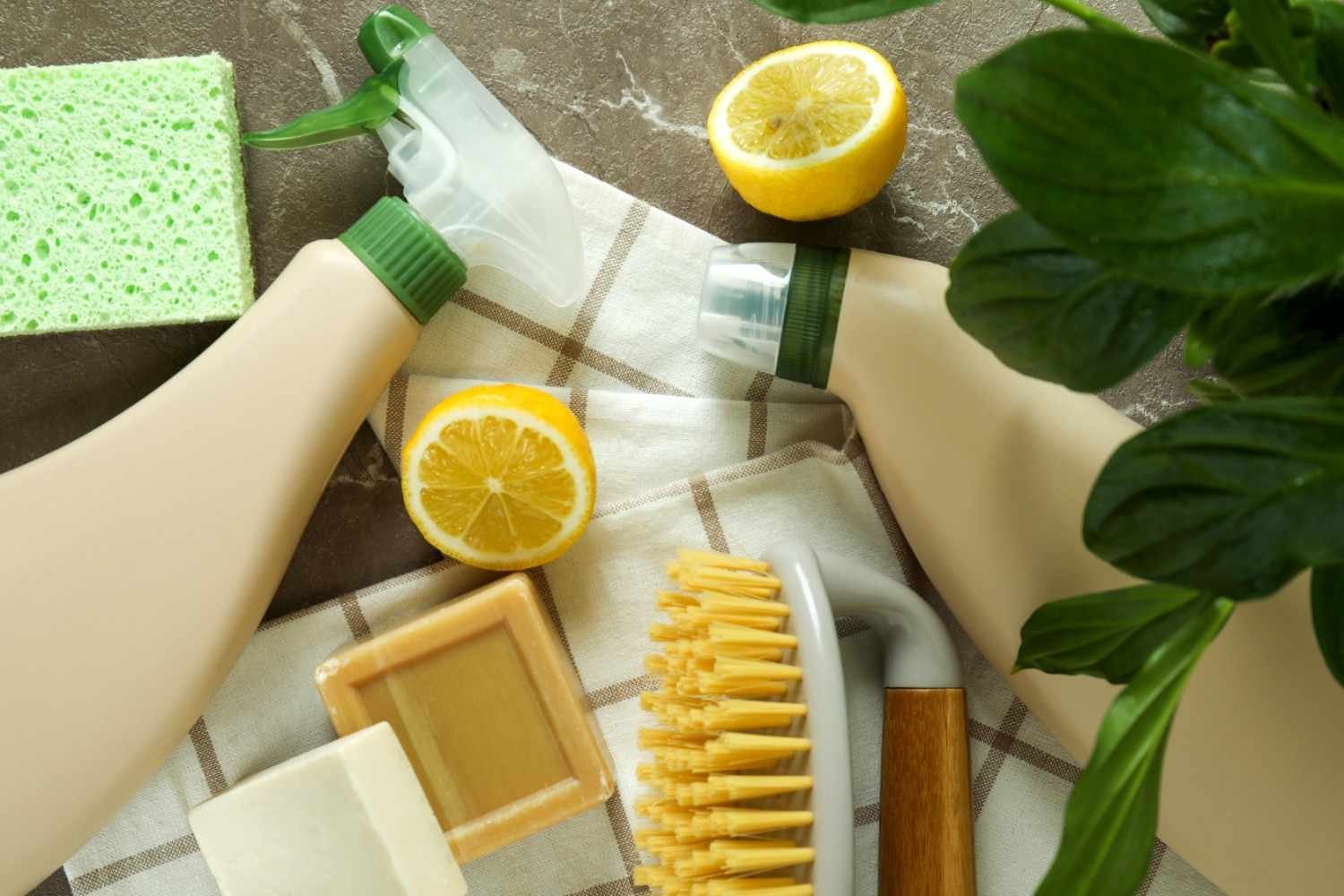
Switching to eco-friendly cleaning products for home is one of the easiest ways to make everyday cleaning safer without lowering your standards. I used to think a strong chemical smell meant a product was doing its job, but I now look for cleaners that remove grease, stains, odors, and residue without leaving behind harsh fumes.
For many American households, the goal is simple: reduce toxic chemical exposure, improve indoor air quality, cut plastic waste, and still keep kitchens, bathrooms, floors, dishes, and laundry genuinely clean.
Modern green cleaners have come a long way. Many now use plant-derived enzymes, coconut-based surfactants, biodegradable formulas, refill packaging, and low-VOC ingredients to tackle the same messes traditional cleaners handle.
The best part is that you do not need to replace everything at once. Start with the products you use most often and build a healthier cleaning routine from there.
What Makes a Cleaning Product Truly Eco-Friendly?
A good green cleaner should do more than say “natural” on the label. I look for clear ingredient lists, biodegradable formulas, safer fragrance choices, recyclable or refillable packaging, and credible certifications such as EPA (Environmental Protection Agency) Safer Choice or EWG Verified. These details matter because greenwashing is common in the cleaning aisle.
The best eco-friendly cleaning products for home usually balance three things: safety, performance, and sustainability. That means they should clean well, avoid unnecessary harsh chemicals, and reduce waste through concentrates, reusable bottles, cardboard refills, or plastic-free formats.
Multi-Surface and Floor Cleaners for Everyday Messes
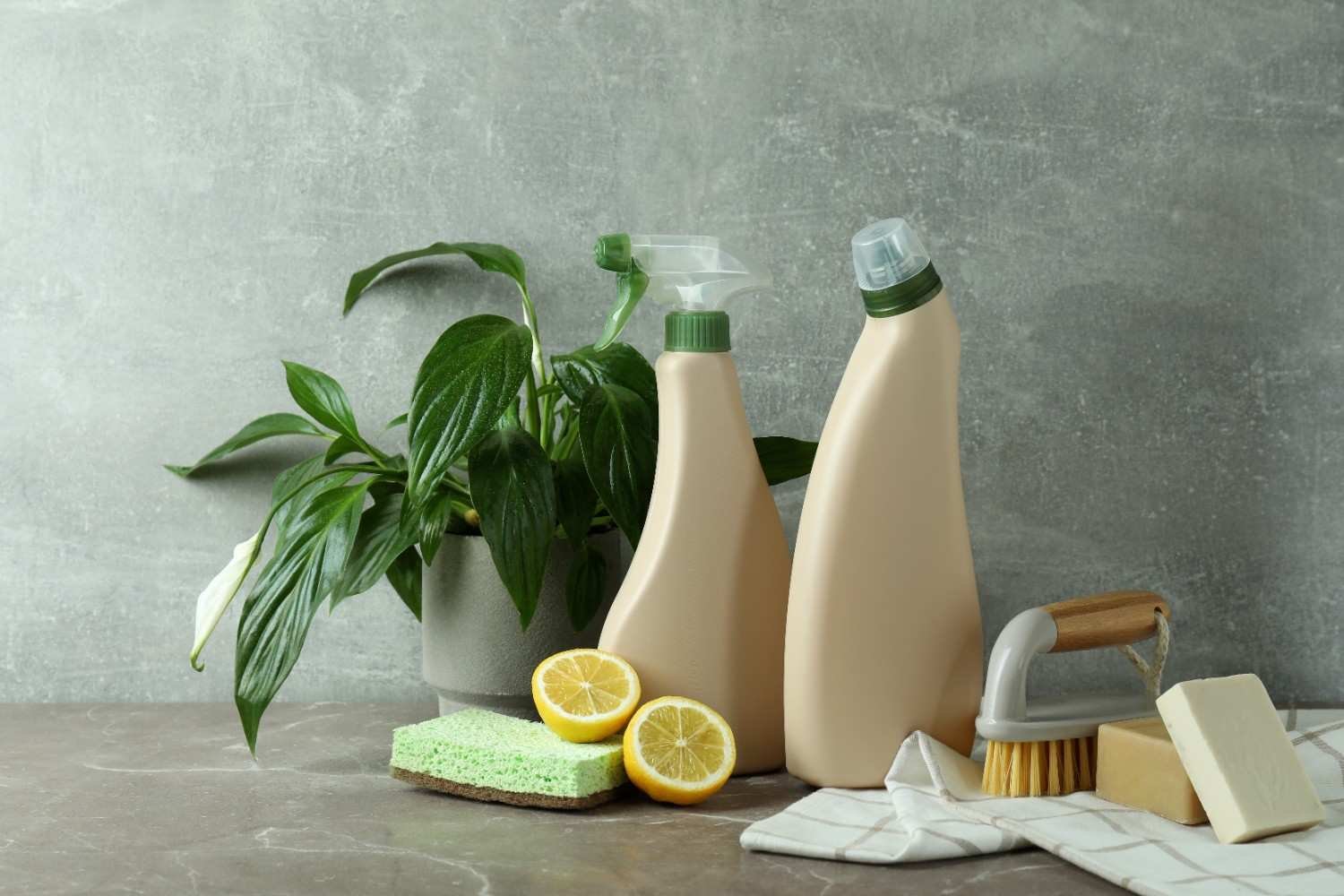
Multi-surface cleaners are the workhorses of a safer home. They handle countertops, appliances, sealed floors, cabinets, furniture, glass, and quick spills. For busy households, I prefer one dependable spray or concentrate over a cabinet full of single-use cleaners.
Method All-Purpose Cleaner
Method All-Purpose Cleaner is a popular option because it uses a biodegradable formula with corn and coconut-derived cleaning agents. It is designed to cut through grease and grime on many non-porous household surfaces. In a US home, it can work well for sealed counters, tile, glass, appliances, and quick daily wipe-downs.
For wood, stone, or specialty surfaces, I would still check the surface care instructions before spraying.
Born Good Plant-Based Glass and Multi-Surface Cleaner
Born Good Plant-Based Glass and Multi-Surface Cleaner focuses on plant-based ingredients, including coconut and sugarcane-derived cleaning components. It is useful for mirrors, glass, furniture, and surfaces where you want a streak-free finish.
I like this type of cleaner for households that want a lighter formula without the overpowering smell of traditional glass sprays.
Kolan All Purpose Surface Spray Cleaner
Kolan All Purpose Surface Spray Cleaner uses a multi-enzyme approach to break down oils, fats, and organic stains. Enzyme-based cleaners are helpful because they target the source of many everyday messes instead of simply masking odors.
Kolan also positions its formula as free from bleach, ammonia, and chlorine, which makes it appealing for families looking for a gentler surface cleaner around pets and children.
Dishwashing Solutions That Reduce Residue and Waste
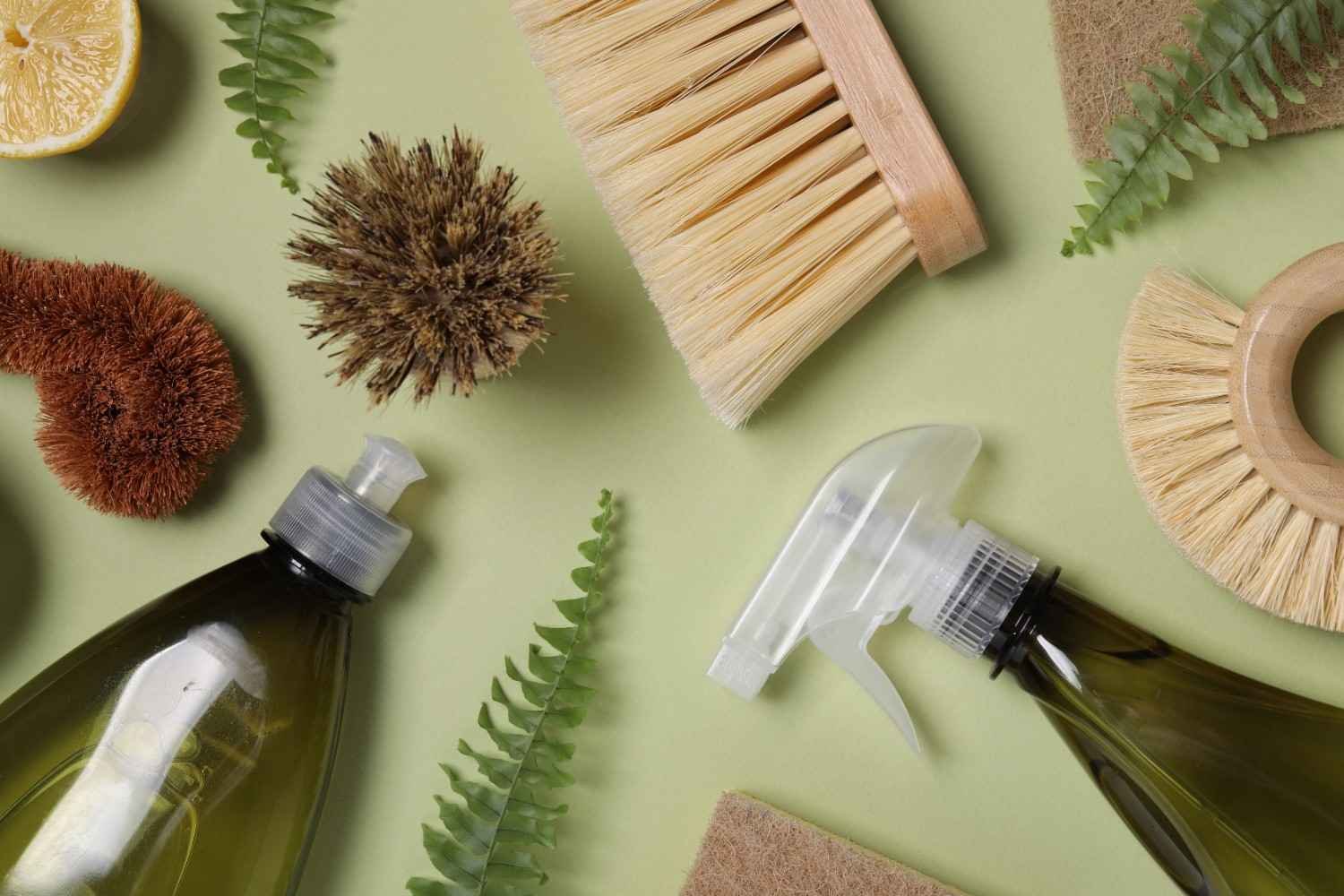
Dish soap touches the plates, glasses, baby bottles, cookware, and utensils we use every day, so this is one of the first categories I would swap. A good eco-conscious dish soap should cut grease, rinse cleanly, avoid sticky chemical residue, and feel gentle on hands.
It can also be part of a practical home safety checklist for families who want everyday products to feel safer around kids, pets, and shared kitchen spaces.
Born Good Plant-Based Dishwash Gel
Born Good Plant-Based Dishwash Gel is designed as a concentrated, plant-based dishwashing option. Concentrated formulas can be useful because you need less product per wash, which may reduce packaging and storage space over time. It is a practical choice for homes that want a liquid dish cleaner that rinses away without a synthetic after-smell.
ATTITUDE Dish Soap
ATTITUDE Dish Soap stands out because several ATTITUDE dish products are EWG Verified. That matters for shoppers who want a third-party safety signal instead of relying only on marketing claims. The brand also offers plant-based formulas and refill options, which helps reduce single-use plastic waste. For homes with sensitive skin, fragrance-free or lightly scented formulas are often the better choice.
No Tox Life DISH BLOCK
No Tox Life DISH BLOCK is a strong option for anyone trying to reduce plastic in the kitchen. It is a solid dishwashing bar, so it eliminates the need for a plastic bottle. The formula is vegan, palm oil-free, biodegradable, and useful for dishes, pots, pans, and even some spot-cleaning tasks like laundry or carpet stains. It may feel different from liquid soap at first, but it is a smart zero-waste swap once you get used to using a brush or sponge with it.
Laundry Detergents for a Cleaner Wash Routine
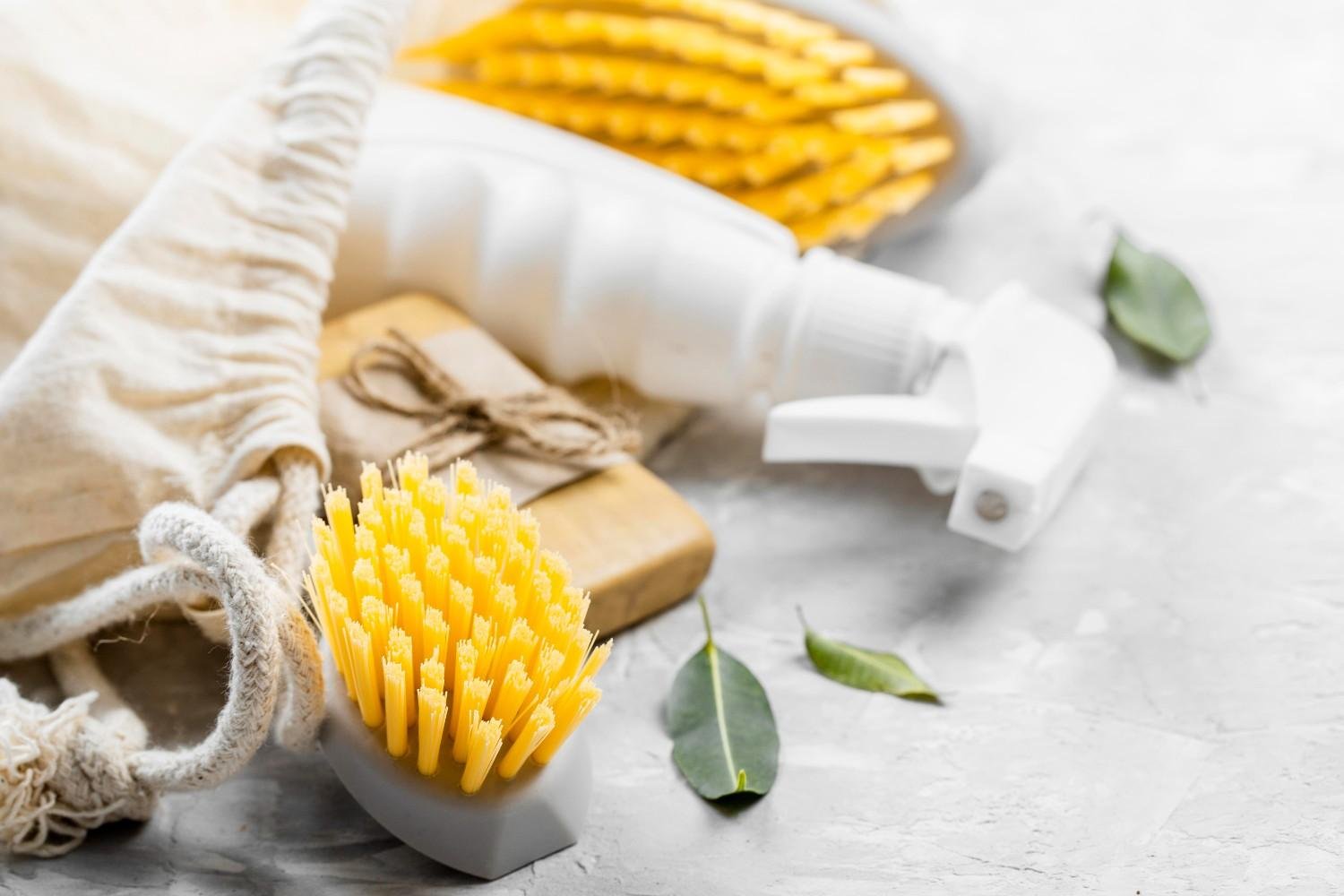
Laundry detergent is another high-impact swap because many homes wash clothes several times a week. Traditional jugs can be bulky, messy, and wasteful. Plant-based sheets or strips are easier to store, travel-friendly, and often come in lightweight plastic-free packaging.
Beco Plant-Based Laundry Detergent Sheets
Beco Plant-Based Laundry Detergent Sheets are made for people who want a simple alternative to liquid detergent. They dissolve in hot or cold water and can work in both front-load and top-load machines. I like detergent sheets for small laundry rooms, apartments, dorms, and family homes where storage space matters. They are also convenient for baby clothes and sensitive skin when the formula is gentle and residue-free.
Natulim Laundry Detergent Strips
Natulim Laundry Detergent Strips are pre-measured, lightweight, and designed to reduce the mess of pouring detergent. They are marketed as hypoallergenic and plastic-free, which makes them useful for people who want a cleaner laundry routine without heavy jugs. Strips are also practical for travel, shared laundry rooms, and compact homes.
How to Choose Green Cleaners Without Falling for Greenwashing
I never choose a cleaner just because the bottle is green or covered in leaf graphics. Instead, I check for specific claims. Words like biodegradable, plant-based, fragrance-free, refillable, plastic-free, EWG (Environmental Working Group) Verified, and EPA Safer Choice are more useful than vague terms like “pure” or “chemical-free.”
It is also important to remember that natural does not always mean safe for every surface. Vinegar can damage marble, granite, and some sealed floors. Bleach should never be mixed with ammonia or vinegar. Even safer cleaning products should be used according to label directions.
Simple Room-by-Room Cleaning Strategy
For the kitchen, I would keep a plant-based all-purpose cleaner, a safer dish soap, and a reusable cloth. For bathrooms, I would choose a non-toxic bathroom cleaner that can handle soap scum, hard water marks, and toilet cleaning without strong fumes. For floors, I would use a low-VOC cleaner suitable for the flooring material. For laundry, I would move toward detergent sheets, strips, or concentrated formulas to reduce plastic and measuring mess.
This approach keeps cleaning simple. You do not need ten different bottles to create a safer home. You need a few reliable sustainable cleaning supplies that match your surfaces and routine.
Frequently Asked Questions (FAQs)
1. What are the best eco-friendly cleaning products for home?
The best eco-friendly cleaning products for home include a plant-based all-purpose cleaner, non-toxic glass cleaner, safer dish soap, solid dish block, and plastic-free laundry sheets or strips.
2. Are plant-based cleaners as effective as traditional cleaners?
Yes, many plant-based cleaners work well when matched to the right task. Enzyme-based cleaners are useful for organic stains, while coconut-based surfactants help lift grease and grime.
3. Are eco-friendly cleaners safer for kids and pets?
Many are gentler than traditional cleaners, but you should still read labels, ventilate rooms, rinse food-contact surfaces when needed, and store all products away from children and pets.
4. Do eco-friendly cleaning products improve indoor air quality?
They can help because many low-VOC, fragrance-free, and plant-based formulas reduce exposure to harsh synthetic fumes inside the home.
Final Thoughts
I believe a safer cleaning routine should feel realistic, not overwhelming. Start with the products you use every week, such as dish soap, laundry detergent, all-purpose spray, and bathroom cleaner. Then choose formulas that clean well, avoid harsh residues, and reduce plastic waste.
The right green cleaning products can make your home feel fresher, healthier, and easier to maintain. You do not have to choose between performance and sustainability anymore. With today’s plant-based, enzyme-powered, refillable, and zero-waste options, you can clean confidently while making better choices for your family and the environment.





Leave a Reply