
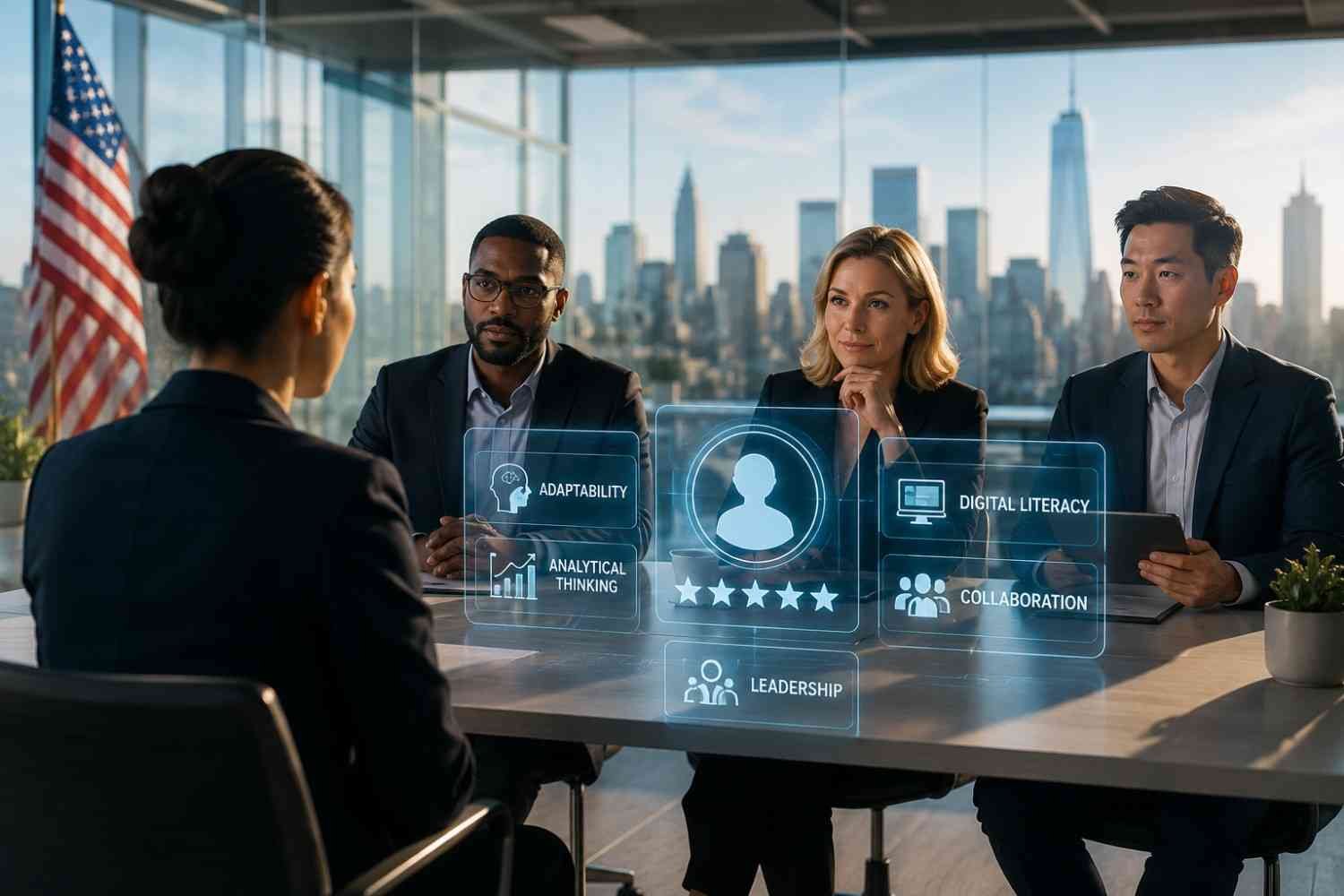
A few years ago, hiring managers could rely on a familiar checklist. A degree from a recognized institution, a steady career path, and a handful of industry credentials often moved candidates to the top of the pile. Today, that approach is losing ground. Businesses are operating in a world where technology evolves faster than job descriptions, and the skills needed to succeed can change within months rather than years.
That shift is forcing companies to rethink how they evaluate talent. Instead of focusing primarily on educational background or job titles, employers are paying closer attention to future business skills that signal adaptability, problem-solving ability, and long-term potential. The result is a hiring landscape that values demonstrated capability over traditional credentials.
Why Hiring Priorities Are Shifting

Technology is one of the biggest drivers behind workforce transformation. Artificial intelligence, automation, and digital platforms continue to reshape daily operations across industries. As these tools become more accessible, companies need employees who can adapt quickly rather than simply follow established processes.
At the same time, organizations face growing pressure to remain agile. Market conditions shift rapidly, customer expectations evolve, and new competitors emerge almost overnight. Businesses can no longer assume that skills learned five years ago will remain relevant today.
This reality has accelerated the move toward skills-based hiring. Instead of asking where someone studied or which company they worked for, employers increasingly ask a different question: Can this person solve the problems we face right now and continue learning as those problems change?
The Future Business Skills Companies Want Most
While technical expertise remains important, many employers now look for a combination of workplace skills and human-centered capabilities.
Adaptability and Continuous Learning
One of the most valuable traits in today’s workforce is the ability to learn quickly. The shelf life of professional knowledge continues to shrink, especially in technology-driven fields.
Hiring teams actively seek candidates who demonstrate continuous learning through certifications, independent projects, online courses, or practical experience. A person who consistently develops new skills often appears more valuable than someone relying solely on past achievements.
Strategic Thinking and Decision-Making
Businesses increasingly need professionals who can connect information, identify patterns, and make informed decisions under uncertainty.
Strategic thinking goes beyond technical execution. It involves understanding business strategy, evaluating risks, and recognizing opportunities before competitors do. As organizations navigate complex markets, analytical thinking and structured problem-solving have become highly desirable hiring criteria.
Digital Communication
The rise of hybrid and remote work has elevated digital communication from a useful skill to a business necessity.
Employees must communicate clearly across multiple platforms, align teams through virtual collaboration, and share ideas effectively with both technical and non-technical stakeholders. Strong digital communication improves audience engagement, reduces misunderstandings, and helps organizations operate efficiently across locations.
Human-AI Collaboration
AI fluency is becoming a core component of future business skills. This does not mean every employee needs to become a software engineer.
Instead, companies increasingly value professionals who understand how to use AI tools to improve productivity, streamline workflows, and support decision-making. Skills such as prompt engineering, digital data workflows, and responsible AI usage are becoming relevant across departments, including marketing, operations, finance, and customer support.
Emotional Intelligence and Collaboration
As automation handles more repetitive tasks, human-centered skills become even more important.
Emotional intelligence, active listening, and cross-functional collaboration help teams navigate complex projects and maintain strong working relationships. These capabilities are difficult to automate and often separate high-performing employees from the rest of the workforce.
Why Degrees and Job Titles Matter Less Than Before

The growing popularity of skills-based hiring reflects a broader change in how organizations measure talent.
Many employers are removing degree requirements from job postings and opening opportunities to candidates from alternative educational paths. Boot camps, industry certifications, freelance work, and portfolio projects can now carry significant weight during recruitment.
Advanced hiring platforms also make this transition easier. Rather than scanning resumes for specific credentials, AI-powered systems can identify transferable skills and match candidates based on demonstrated capabilities.
Objective assessments are becoming more common as well. Employers use simulations, practical assignments, case studies, and role-specific exercises to evaluate readiness. These methods provide direct evidence of performance instead of relying on assumptions based on educational background.
The result is a more flexible talent market where capability often matters more than career history.
How Specialized Businesses Are Influencing Hiring Trends
Another factor reshaping recruitment is the rise of highly specialized organizations. Many companies no longer compete by serving broad markets. Instead, they focus on narrow customer needs and specific industry challenges.
This trend has created greater demand for niche expertise and adaptable talent. Candidates who understand emerging technologies, specialized workflows, or unique market segments often stand out during the hiring process.
Businesses operating in focused markets frequently look for employees who can wear multiple hats and contribute across functions. Understanding what hyper-niche companies are can provide useful context because these organizations often prioritize practical skills, problem-solving ability, and business agility over traditional credentials.
As specialized businesses continue to grow, hiring managers are placing greater emphasis on demonstrated impact rather than standardized career paths.
What Job Seekers Can Do Right Now

Preparing for the future of work does not require predicting every industry trend. It requires building skills that remain valuable regardless of changing technologies.
Focus on:
- Developing digital literacy and AI fluency
- Strengthening communication and collaboration skills
- Building a habit of continuous learning
- Creating practical projects that demonstrate expertise
- Improving analytical thinking and decision-making abilities
These capabilities improve workforce readiness while making candidates more attractive to employers embracing modern hiring practices.
Frequently Asked Questions: How Future Business Skills Are Changing the Way Companies Hire
1. What are future business skills?
Future business skills are capabilities that help professionals succeed in evolving workplaces. They include adaptability, strategic thinking, digital communication, AI literacy, problem-solving, and emotional intelligence.
2. Why are companies shifting to skills-based hiring?
Companies are adopting skills-based hiring because traditional credentials do not always reflect job readiness. Employers want direct evidence that candidates can perform tasks, learn quickly, and adapt to changing business needs.
3. Which future business skills are hardest to automate?
Human-centered capabilities such as emotional intelligence, critical thinking, leadership, creativity, and relationship building remain difficult for automation systems to replicate effectively.
4. How can professionals develop future business skills?
Professionals can build these skills through continuous learning, practical projects, industry certifications, cross-functional experiences, mentorship, and hands-on use of emerging technologies.
Why Hiring Is Becoming More Human, Not Less
It is easy to assume that AI and automation are making hiring more technical and data-driven. In reality, the opposite is happening in many organizations. While technology helps companies identify talent more efficiently, the qualities that increasingly determine long-term success are deeply human. Adaptability, communication, curiosity, and strategic thinking have become essential because they allow people to work alongside rapidly changing technologies rather than compete against them.
The companies that hire successfully in the coming years will likely be those that recognize potential, not just credentials. Future business skills are becoming the clearest signal of that potential.




Leave a Reply