

I used to think artificial intelligence was something reserved for tech companies, robots, or futuristic movies. Now, I notice it in the small choices I make every day. How Artificial Intelligence Is Changing Everyday Life is no longer an abstract question because it already affects how people shop, drive, work, learn, bank, communicate, and even manage their homes.
Artificial intelligence is not always loud or obvious. It often works quietly in the background, helping apps predict what we need, saving time on routine tasks, and making digital tools feel more personal. From fraud alerts on bank accounts to smart thermostats that adjust indoor comfort, AI has become part of ordinary life across American homes, offices, schools, hospitals, and stores.
What Artificial Intelligence Means in Simple Words
Artificial intelligence is technology that allows machines or software to perform tasks that usually need human thinking. These tasks may include learning from data, recognizing speech, understanding images, making suggestions, detecting patterns, or answering questions.
In daily life, AI does not usually look like a human-like robot. It looks like a phone suggesting the next word in a message, a map app warning about traffic, a streaming platform recommending a show, or an online store showing products that match a person’s habits. The goal is simple: help technology respond faster, smarter, and more personally.
How AI Is Changing Smartphones and Search
Smartphones are one of the clearest examples of AI in daily routines. Voice assistants answer questions, set reminders, send texts, control devices, and help with hands-free tasks. Predictive typing, autocorrect, photo organization, spam filtering, face unlock, and voice-to-text tools all rely on AI.
Search has also changed. Instead of only matching keywords, modern search tools try to understand intent. When someone searches for a nearby pharmacy, a recipe substitute, a repair solution, or a travel route, AI helps sort information based on location, past behavior, freshness, and usefulness. This makes everyday research faster, but it also means users should still compare reliable information before making health, money, or legal decisions.
How AI Shapes Shopping, Social Media, and Entertainment
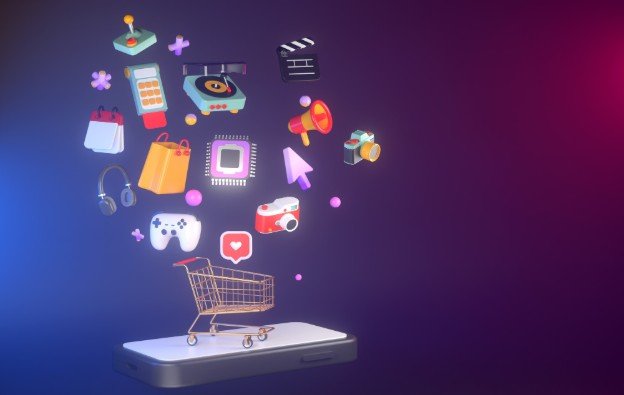
Online shopping platforms use AI to recommend products, compare user behavior, predict demand, and personalize deals. A shopper looking for running shoes, baby gear, kitchen tools, or home decor may see suggestions based on browsing history, reviews, price range, and similar customer choices.
Social media feeds are also powered by AI. The videos, posts, ads, and accounts people see are often selected by recommendation systems. These systems can help people discover useful content, but they can also create echo chambers or encourage endless scrolling.
Entertainment has become more personalized too. Streaming apps suggest movies, songs, podcasts, and shows based on watch history, listening habits, and ratings. AI can help users spend less time searching and more time enjoying content, but it also shapes what people are exposed to.
How AI Is Improving Homes, Cars, and Travel
Smart homes are becoming more common. AI-powered thermostats can learn household patterns and adjust heating or cooling. Security cameras can detect motion, recognize packages, and send alerts. Smart speakers can control lights, appliances, reminders, calendars, and entertainment systems.
Transportation is another major area. Navigation apps use AI to predict traffic, estimate arrival times, suggest faster routes, and warn about accidents or road closures. Ridesharing companies use similar systems to match drivers and passengers, calculate prices, and plan efficient routes.
Cars now include AI-assisted features such as lane alerts, parking assistance, driver monitoring, adaptive cruise control, and collision warnings. These tools do not remove the need for careful driving, but they can support safer and more convenient travel.
How AI Supports Healthcare, Fitness, and Safety
AI is changing healthcare in practical ways. It can help doctors review scans, organize patient data, identify risk patterns, and support faster decision-making. Many healthcare portals and apps use AI-powered chat tools to guide patients toward appointments, reminders, or basic information.
Fitness watches and health apps also use AI to track sleep, heart rate, steps, workouts, and activity trends. These tools can encourage better habits by showing patterns that people may not notice on their own.
Financial safety is another everyday benefit. Banks and credit card companies use AI to detect unusual purchases, block suspicious transactions, and send fraud alerts. When a card is used in an unexpected place or for an unusual amount, AI can help protect the account quickly.
How AI Is Changing Work and Education

Workplaces now use AI for writing support, scheduling, customer service, data analysis, email sorting, document summaries, and project planning. Many workers use AI tools to draft messages, clean up reports, brainstorm ideas, organize notes, and automate repetitive tasks.
Customer service has also changed. Chatbots now answer common questions about orders, returns, appointments, billing, and account access. While human support is still important for complex problems, AI can reduce wait times for simple tasks.
In education, AI can personalize learning, explain difficult topics, generate practice questions, translate content, and help students study at their own pace. Teachers can also use AI to organize lessons, create materials, and review student progress. However, students still need critical thinking, original work, and guidance to avoid overreliance.
Benefits of AI in Everyday Life
The biggest benefit of AI is convenience. It saves time, reduces repetitive work, improves personalization, and helps people make faster decisions. It can make homes more efficient, shopping more relevant, travel smoother, healthcare more responsive, and banking safer.
AI also makes digital tools more accessible. Voice spoken commands help people who struggle with typing. Translation tools support communication across languages. Image recognition can help organize photos or assist people with visual challenges. When used responsibly, AI can make technology easier for more people to use.
Risks People Should Not Ignore
AI is useful, but it is not perfect. It can make mistakes, repeat bias, collect personal data, show misleading recommendations, or produce inaccurate answers. Privacy is one of the biggest concerns because many AI systems depend on user behavior, location, searches, purchases, and preferences.
People should use AI with awareness. Sensitive decisions involving health, finance, education, or legal matters should not rely only on an AI-generated answer. It is also smart to check privacy settings, avoid sharing unnecessary personal information, question suspicious messages, and compare important information with trusted human experts.
Frequently Asked Questions
1. What is the easiest way to understand How Artificial Intelligence Is Changing Everyday Life?
The easiest way is to look at the tools people already use daily, such as phones, maps, banking apps, shopping sites, smart speakers, streaming platforms, fitness trackers, and workplace software.
2. Is AI only useful for tech experts?
No. Most people use AI without realizing it. Autocorrect, recommendations, fraud alerts, voice assistants, search results, and navigation apps are common examples.
3. Can AI replace human judgment?
AI can support decisions, but it should not fully replace human judgment. It is best used as a helper for speed, organization, and pattern recognition.
4. What is the biggest concern with everyday AI?
The biggest concern is trust. People need to understand that AI can be helpful while still checking accuracy, protecting privacy, and avoiding blind dependence.
Final Thoughts
I believe How Artificial Intelligence Is Changing Everyday Life matters because the change is already happening in ordinary moments. It is in the way we unlock phones, choose routes, receive fraud alerts, write faster emails, monitor health, shop online, and relax with personalized entertainment.
AI is not just a future trend. It is becoming part of daily decision-making. The smartest approach is not to fear it or depend on it completely, but to use it carefully. When people understand how AI works around them, they can enjoy the convenience while staying alert to privacy, accuracy, and control.




Leave a Reply